
TL;DR

Get privacy and security gear delivered free with Prime
- Fast, free delivery on millions of items
- Prime Video, Amazon Music and more included
- Member-only deals all year
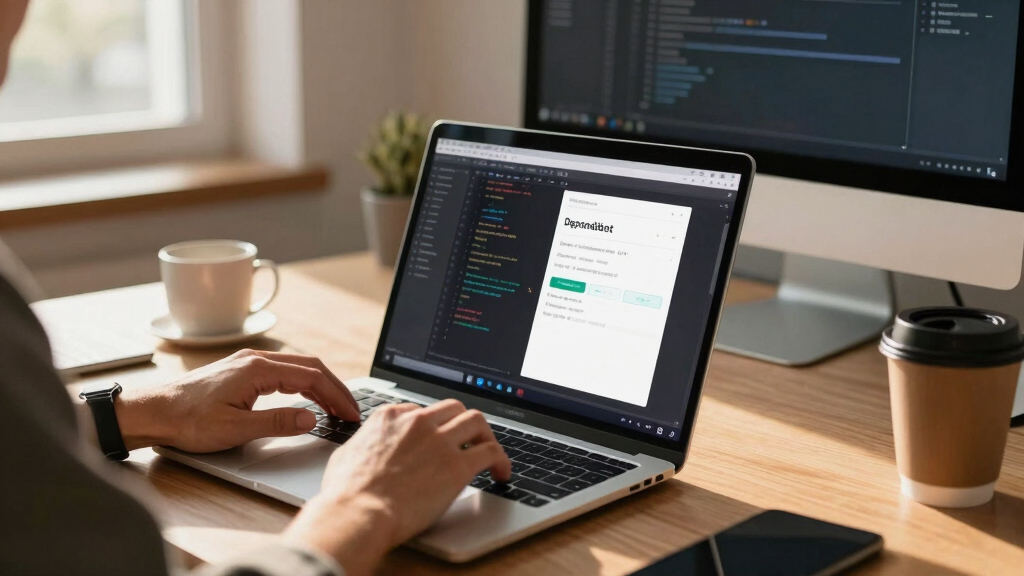
Dependabot has implemented a default cooldown period for package updates to enhance stability. This change affects how dependencies are managed and may reduce update conflicts. Details are confirmed, but the full impact is still being assessed.
Dependabot has introduced a default cooldown period for dependency package updates, a change aimed at reducing update conflicts and improving overall project stability. This update, confirmed by GitHub, affects millions of repositories using Dependabot for dependency management.
According to GitHub, the new feature automatically applies a cooldown period of several hours to dependency updates by default, unless explicitly overridden by users. This means that after an update is triggered, Dependabot will wait before attempting subsequent updates for the same package, allowing projects more time to stabilize and test changes before new updates are applied. The feature was rolled out gradually starting in March 2024, with GitHub stating that it is designed to minimize update-related disruptions and improve security handling. Developers can still customize or disable the cooldown period in their Dependabot configuration files, but the default setting is now enabled for most users. The change was announced via GitHub’s official blog and support channels, with initial feedback indicating a positive reception among users concerned about update stability.Impacts on Dependency Management and Project Stability
This update is significant because it addresses common issues related to rapid or conflicting dependency updates, which can cause build failures or security patch delays. By implementing a default cooldown, Dependabot aims to give developers more control and reduce the frequency of problematic updates, potentially leading to fewer security vulnerabilities and smoother development workflows. For organizations managing large codebases, this change could mean fewer disruptions and more predictable update schedules.
dependency management tools for developers
As an affiliate, we earn on qualifying purchases.
As an affiliate, we earn on qualifying purchases.
Dependabot’s Evolving Role in Automated Dependency Updates
Dependabot, acquired by GitHub in 2019, has become a key tool for automating dependency updates in open-source and enterprise projects. Prior to this change, Dependabot typically performed updates based on user-configured schedules or triggers, sometimes leading to frequent or conflicting updates that caused build or integration failures. The introduction of a default cooldown period reflects a broader industry trend toward more cautious and stability-focused dependency management. This update follows previous efforts by GitHub to improve Dependabot’s security and reliability features, including enhanced vulnerability alerts and configurable update policies.
“The default cooldown period is designed to help developers manage dependency updates more effectively and reduce update conflicts.”
— GitHub Dependabot Team
software dependency update automation
As an affiliate, we earn on qualifying purchases.
As an affiliate, we earn on qualifying purchases.
Unresolved Questions About Customization and Impact
It is not yet clear how widely the default cooldown will be adopted across different project types or configurations. Some users may disable or modify the cooldown, and the exact duration of the default period varies in early implementations. Additionally, the long-term impact on update frequency, security patch timeliness, and developer workflows remains to be fully evaluated as more projects adopt the change.
project stability tools for developers
As an affiliate, we earn on qualifying purchases.
As an affiliate, we earn on qualifying purchases.
Next Steps for Developers and Dependabot Users
GitHub is expected to monitor adoption and gather feedback on the cooldown feature over the coming months. Developers are encouraged to review their Dependabot configurations and consider adjusting the cooldown settings based on their project needs. Future updates may include more granular control options or enhancements based on user feedback. Monitoring the impact on security vulnerability patching and build stability will be key to assessing the success of this initiative.
GitHub Dependabot compatible security tools
As an affiliate, we earn on qualifying purchases.
As an affiliate, we earn on qualifying purchases.
Key Questions
What is the default cooldown period in Dependabot?
The exact duration has not been publicly specified but is generally a few hours, designed to balance update frequency with stability.
Can I disable or customize the cooldown period?
Yes, users can override or disable the cooldown in their Dependabot configuration files, allowing for tailored update policies.
Will this affect how quickly security patches are applied?
Potentially, as the cooldown may introduce slight delays in applying updates, but it aims to improve overall stability and reduce false positives or failed updates.
Is this change mandatory for all projects?
No, the default cooldown applies automatically to most users, but projects can opt out or adjust settings as needed.
How will this impact large-scale enterprise projects?
It may reduce update conflicts and improve stability, which is beneficial for complex projects, but some organizations may need to adjust settings for their specific workflows.
Source: hn
Halloween Picks
halloween
As an affiliate, we earn on qualifying purchases.