
TL;DR

Get privacy and security gear delivered free with Prime
- Fast, free delivery on millions of items
- Prime Video, Amazon Music and more included
- Member-only deals all year
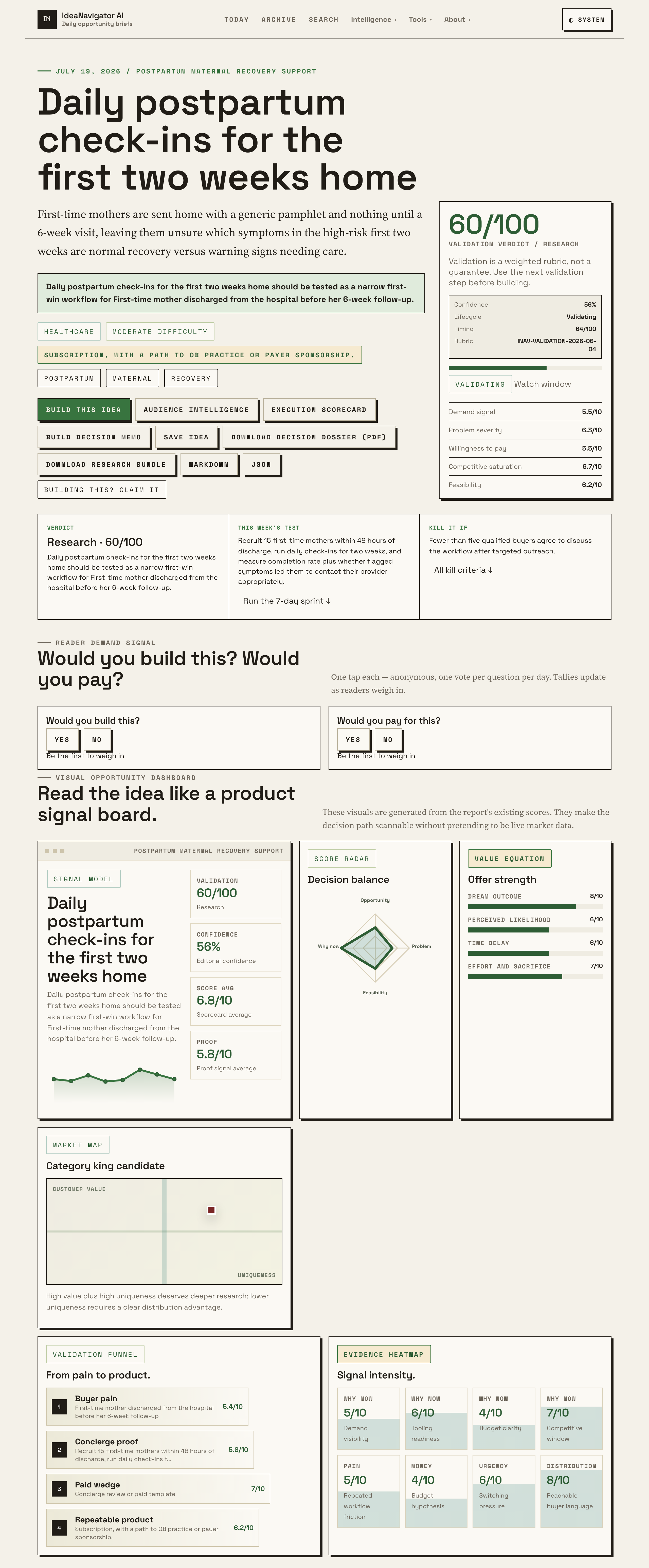
Researchers are testing a program of daily postpartum check-ins for first-time mothers discharged before six weeks. The approach aims to identify warning signs early and support recovery, with initial validation underway.
Researchers are testing a new approach of daily postpartum check-ins for first-time mothers discharged within the first two weeks after childbirth. This initiative aims to address the gap in postpartum care by providing personalized, daily symptom monitoring during a high-risk recovery period. The program could improve early detection of complications and support maternal health, making it a significant development in postpartum care strategies.
The pilot program targets first-time mothers discharged from hospitals before their six-week follow-up. Currently, these mothers receive only a generic pamphlet and no structured contact until their scheduled visit, which can leave them uncertain about normal recovery versus warning signs. The new approach involves an onboarding process that creates a recovery profile based on delivery details, feeding method, and mental health baseline. Daily check-ins then deliver tailored recovery tips and prompt mothers to contact healthcare providers if symptoms are flagged.
Initial validation involves recruiting 15 first-time mothers within 48 hours of discharge. The study will measure the completion rate of daily check-ins and whether flagged symptoms lead to appropriate medical contact. The goal is to demonstrate that this targeted, personalized support can improve postpartum recovery and safety during the critical first two weeks.
Potential Impact on Postpartum Maternal Care
This initiative could fill a critical gap in postpartum care by providing structured, personalized support during the high-risk early recovery period. Early detection of complications such as infections, bleeding, or mental health issues can prevent hospital readmissions and improve long-term maternal health outcomes. If successful, the program may influence postpartum care standards and encourage broader adoption of digital health solutions in maternal health support.
As an affiliate, we earn on qualifying purchases.
Addressing the Postpartum Care Gap
Currently, first-time mothers discharged early after childbirth often lack structured follow-up until their six-week postpartum visit. This gap has been highlighted in maternal health campaigns as a risk factor for undetected complications. Digital health tools and smartphone-based monitoring are increasingly seen as promising solutions to provide continuous support during this vulnerable period. The idea of daily check-ins builds on these developments, aiming to offer a scalable, personalized approach to postpartum recovery.
“Implementing daily check-ins could transform postpartum care by providing timely, tailored support during the most critical recovery window.”
— an anonymous researcher
postpartum health monitoring device
As an affiliate, we earn on qualifying purchases.
As an affiliate, we earn on qualifying purchases.
Uncertainties About Program Effectiveness
It remains unclear how effective the daily check-in system will be in practice, as the pilot is still in the recruitment phase. It is also uncertain whether the program will lead to a significant reduction in postpartum complications or hospital readmissions. Further data is needed to confirm whether mothers will consistently engage with the check-ins and respond appropriately to flagged symptoms.
As an affiliate, we earn on qualifying purchases.
Next Steps for Validation and Broader Adoption
The initial pilot involving 15 mothers will run over the next two weeks to assess feasibility, engagement, and preliminary outcomes. If successful, larger studies will be planned to evaluate the impact on health outcomes and healthcare utilization. Developers also aim to explore integration with OB practices and insurance payers to support wider implementation.
postpartum care digital thermometer
As an affiliate, we earn on qualifying purchases.
As an affiliate, we earn on qualifying purchases.
Key Questions
How will the daily check-ins be personalized for each mother?
The onboarding process will build a recovery profile based on delivery details, feeding method, and mental health baseline, allowing the system to deliver tailored check-ins and tips.
What symptoms will the check-ins monitor?
The check-ins will focus on symptoms like fever, bleeding, pain, mood changes, and breastfeeding issues, prompting contact with providers if necessary.
Will this program be available to all mothers?
The pilot is initially limited to first-time mothers discharged early, with potential expansion depending on outcomes and validation results.
How will the program be funded or monetized?
It is planned to operate through subscriptions, with potential sponsorship from OB practices or health payers to support broader deployment.
When will results from the pilot be available?
Results are expected after the two-week pilot period, with further studies to follow in the coming months.
Source: IdeaNavigator AI
Fall Picks
fall essentials
As an affiliate, we earn on qualifying purchases.