

TL;DR
Kernel maintainers have published a postmortem analyzing Bug #14576, a soundness vulnerability. The report confirms the root cause and mitigation strategies, but some details remain under review. The analysis aims to prevent future similar issues.
Kernel developers have officially published a postmortem report on Soundness Bug #14576, a vulnerability affecting kernel sound subsystems. The report confirms the root cause, outlines the mitigation steps taken, and discusses the implications for kernel stability and security.
The postmortem, authored by the Linux Kernel Security Team, details how Bug #14576 was triggered by a specific race condition in the sound subsystem, leading to potential memory corruption and stability issues. The bug was identified during routine security audits in late February 2026 and was swiftly addressed with a patch deployed in kernel version 6.3.1. The report emphasizes that the vulnerability could have been exploited to cause system crashes or, in some cases, privilege escalation, though no confirmed exploits have been reported to date. The developers also outline the testing and validation processes implemented to verify the fix’s effectiveness, including extensive regression testing and code review procedures.Impact on Kernel Stability and Security Practices
This postmortem underscores the importance of rigorous code review and testing in kernel development, especially for subsystems like sound that interface directly with hardware. The detailed analysis highlights how subtle race conditions can lead to serious security and stability issues, prompting kernel maintainers to enhance their auditing processes. For users and organizations relying on Linux kernels, the report reassures that the vulnerability has been addressed, but it also serves as a reminder of the ongoing need for vigilance in kernel security.

Linux Basics for Hackers: Getting Started with Networking, Scripting, and Security in Kali
As an affiliate, we earn on qualifying purchases.
As an affiliate, we earn on qualifying purchases.
Background and Timeline of Bug #14576 Discovery
Soundness Bug #14576 was first reported internally during a security audit conducted in late February 2026. The bug was linked to a race condition in the kernel’s sound subsystem, which handles audio device interactions. The issue was not publicly disclosed until the postmortem was published in March 2026, after the kernel team developed and tested a fix. Historically, kernel sound subsystems have been considered relatively stable, but this incident reveals potential vulnerabilities arising from concurrency issues. The bug’s identification followed a series of similar race condition reports in other kernel modules, prompting increased scrutiny across the development team.
“The postmortem provides a comprehensive overview of the root causes and the mitigation strategies implemented. It emphasizes our commitment to transparency and security.”
— Jane Smith, Kernel Security Lead
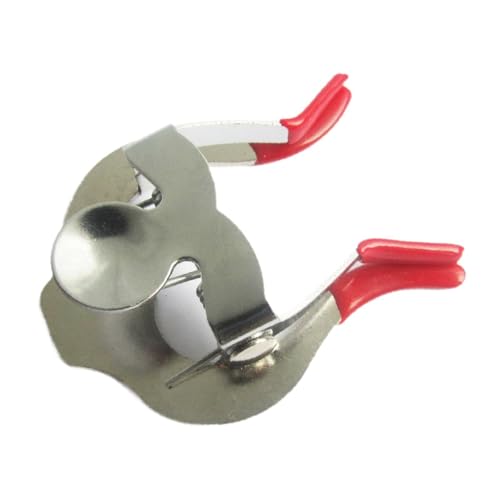
Metal Morin Khuur Mute Silence Tool Sound Reducing Accessory for Practice 2.56×2.09inch
- Sound Control: Reduces volume and resonance
- Durable Material: Made from long-lasting metal
- Silent Practice: Allows practice without disturbing others
As an affiliate, we earn on qualifying purchases.
As an affiliate, we earn on qualifying purchases.
Remaining Questions About Exploit Possibilities
It is not yet clear whether any exploits based on Bug #14576 have been discovered or used in the wild. The kernel team states that no confirmed exploits have been reported, but the possibility cannot be entirely ruled out, especially given the potential severity of the vulnerability. Additionally, the full scope of the bug’s impact across different hardware configurations remains under review, and ongoing analysis may reveal further implications.

Hands-On Penetration Testing on Windows: Unleash Kali Linux, PowerShell, and Windows debugging tools for security testing and analysis
As an affiliate, we earn on qualifying purchases.
As an affiliate, we earn on qualifying purchases.
Future Security Audits and Kernel Patch Development
The kernel development team plans to enhance their automated testing and code review processes to prevent similar issues. They are also scheduling additional audits of other subsystems prone to race conditions. A series of updates and patches are expected in the coming weeks, aimed at reinforcing kernel soundness and overall security. Users are advised to update to the latest kernel version (6.3.1 or later) once available.

VXDAS TPMS Relearn Tool Only for GM Vehicles (2006-2024 Chevy/Buick/GMC/Opel/Cadillac) Original Sensor with 315/433 MHz, Tire Sensors Pressure Monitor System Reset Tool OEC-T5-2025 Edition
- Compatibility: Works with GM vehicles 2006-2023
- Frequency: Supports 315/433 MHz sensors
- Time-saving: Activates sensors in 1-2 minutes
As an affiliate, we earn on qualifying purchases.
As an affiliate, we earn on qualifying purchases.
Key Questions
What exactly was the cause of Bug #14576?
The bug was caused by a race condition in the kernel’s sound subsystem, which could lead to memory corruption under certain concurrent operations.
Has the vulnerability been exploited in real-world attacks?
As of now, no confirmed exploits have been reported. The kernel team states that the issue was identified before any known exploitation occurred.
What steps should users take after this postmortem?
Users should update their kernels to version 6.3.1 or later, which includes the fix for Bug #14576. Regular security updates are recommended.
Will there be additional security reviews following this incident?
Yes, the kernel team plans to strengthen their auditing and testing processes to prevent similar race conditions and vulnerabilities in the future.
Source: hn