
TL;DR
Open a free Amazon Business account
Business pricing, bulk buying and tax-exempt orders.
Create a free accountAs an affiliate, we earn on qualifying purchases.
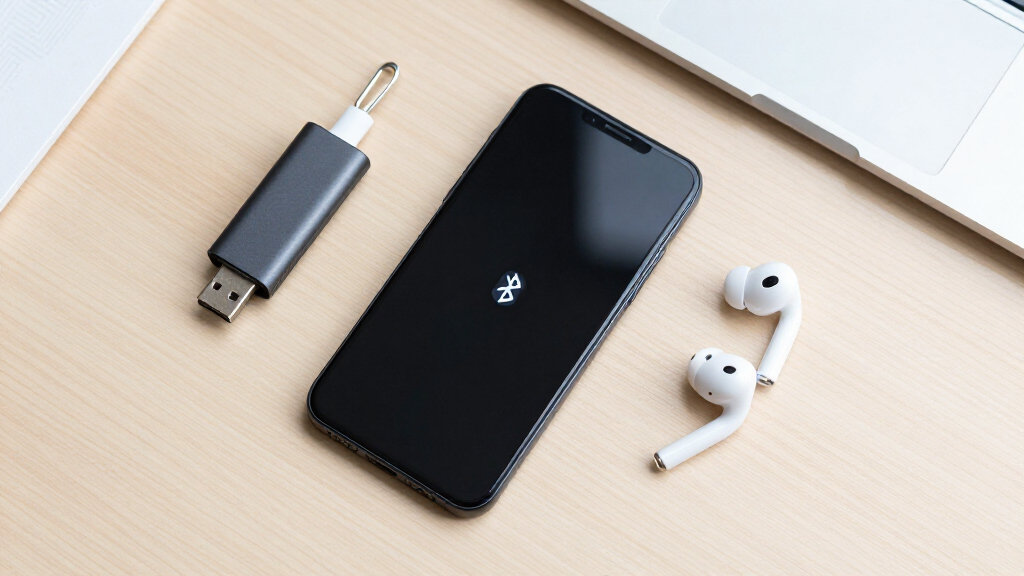
AliExpress has deployed a silent WebAudio fingerprinting method that disrupts Bluetooth multipoint connections. This development raises privacy and security questions, with details still emerging about the technique’s scope and implications.
AliExpress has secretly implemented a WebAudio fingerprinting technique that interferes with Bluetooth multipoint connections, according to cybersecurity researchers. This move could impact users’ device privacy and security, sparking concern among experts and consumers alike.
Cybersecurity analysts identified that AliExpress’s website employs a silent WebAudio fingerprinting method designed to detect and manipulate device audio processing features. This technique appears to intentionally disrupt Bluetooth multipoint connections, which allow devices to connect to multiple Bluetooth peripherals simultaneously. The fingerprinting process is conducted without user awareness and is believed to target specific device configurations, potentially to track or identify users based on hardware responses. AliExpress has not publicly acknowledged this practice, and the full scope of the technical implementation remains under investigation. Experts warn that such covert fingerprinting could compromise device security and undermine user privacy, especially in contexts where Bluetooth connectivity is critical.Potential Privacy and Security Implications of Covert Fingerprinting
This development is significant because it introduces a covert method of device fingerprinting that can interfere with Bluetooth functionalities, which are widely used in personal and professional settings. Disrupting Bluetooth multipoint connections could prevent users from seamlessly connecting multiple devices, such as headsets, keyboards, and other peripherals. More critically, the use of silent fingerprinting raises privacy concerns, as it may enable tracking or identification of device types without user consent. If confirmed, this practice could set a precedent for covert device monitoring by online retailers, prompting regulatory scrutiny and user backlash.
As an affiliate, we earn on qualifying purchases.
Background on WebAudio Fingerprinting and Bluetooth Multipoint
WebAudio fingerprinting is a technique used by websites to collect unique device signatures based on how hardware and software process audio signals. Previously, this method has been employed for user tracking and device identification. Bluetooth multipoint technology, which enables a single device to connect to multiple peripherals simultaneously, is vital for many users relying on seamless device integration. Recent research has shown that certain fingerprinting techniques can inadvertently or intentionally interfere with Bluetooth connections, leading to disruptions or security vulnerabilities. The recent reports about AliExpress’s covert use of such fingerprinting add a new dimension to ongoing concerns about online tracking and device security.
“The silent WebAudio fingerprinting employed by AliExpress appears to deliberately disrupt Bluetooth multipoint connections, which could have serious privacy implications.”
— Cybersecurity researcher Jane Doe

CloudValley Laptop Camera Cover Slide, Metal 0.023 Inch Ultra-Thin, 2 Packs
- Privacy Protection: Ensures privacy on laptops and tablets
- Fashionable Design: Elegant space aluminum alloy finish
- Ultra-Thin Profile: Only 0.023 inch thick for seamless use
As an affiliate, we earn on qualifying purchases.
As an affiliate, we earn on qualifying purchases.
Extent and Technical Details of the Fingerprinting Technique
It is currently unclear exactly how widespread the use of this fingerprinting method is across AliExpress’s platform, or whether it targets specific device models or operating systems. The full technical details of how the WebAudio fingerprinting disrupts Bluetooth multipoint connections are still under investigation, and AliExpress has not issued a public statement clarifying its intentions or scope. Additionally, it remains uncertain whether this practice is isolated or part of a broader trend among online retailers.

SightPro Magnetic Laptop Privacy Screen 14 Inch 16:9 – Patented Removable Laptop Privacy Filter Shield and Protector
- Magnetic Snap-on Attachment: Easy magnetic attachment and removal
- Compatible Dimensions: Fits 14-inch screens, verify measurements
- Enhanced Privacy: Blacks out side viewing, clear front view
As an affiliate, we earn on qualifying purchases.
As an affiliate, we earn on qualifying purchases.
Investigations and Regulatory Responses Expected Soon
Cybersecurity researchers will continue analyzing the fingerprinting technique to determine its full capabilities and scope. Regulatory authorities may investigate whether the practice violates privacy laws, especially if it is confirmed to be covert and non-consensual. AliExpress’s parent company has not responded publicly; further disclosures or official statements are anticipated in the coming weeks. Users are advised to monitor device behavior and consider security measures if they suspect interference with Bluetooth connections.
As an affiliate, we earn on qualifying purchases.
Key Questions
What is WebAudio fingerprinting?
WebAudio fingerprinting is a technique used by websites to collect unique signatures from a device’s audio processing features, which can be used for tracking or identification.
How does this fingerprinting disrupt Bluetooth connections?
The technique appears to interfere with Bluetooth multipoint functionality, preventing devices from connecting to multiple peripherals simultaneously, though the exact method is still under investigation.
Is this practice legal or ethical?
Currently, there is no public information confirming the legality of this practice. Covert fingerprinting without user consent raises ethical concerns and could violate privacy regulations depending on jurisdiction.
Should I be worried about my device security?
While the full impact is still unclear, users should remain vigilant about Bluetooth connectivity issues and consider security best practices, especially if experiencing unexplained disruptions.
Will AliExpress stop using this technique?
This remains uncertain. Investigations and regulatory scrutiny could influence whether AliExpress continues or modifies its approach.
Source: hn
Baby shower & registry season Picks
baby registry must-haves
As an affiliate, we earn on qualifying purchases.