
🔍 Read the full analysis: 2026’S Top 12 AI Home Automation Trends And Devices on ThorstenMeyerAI.com

Get privacy and security gear delivered free with Prime
- Fast, free delivery on millions of items
- Prime Video, Amazon Music and more included
- Member-only deals all year
TL;DR
In 2026, AI home automation is evolving with a focus on local processing, privacy, and customization. Key devices include robust hubs, DIY solutions, and AI voice processors, shaping smarter, more secure homes.
In 2026, the home automation market is witnessing a surge in AI-powered devices emphasizing local processing, privacy, and customization. Leading products include the Hubitat Elevation C-8 Pro, AI voice command processors, and DIY solutions like Raspberry Pi-based systems. These trends reflect a shift towards more secure, reliable, and personalized smart homes, driven by consumer demand for data privacy and seamless control.
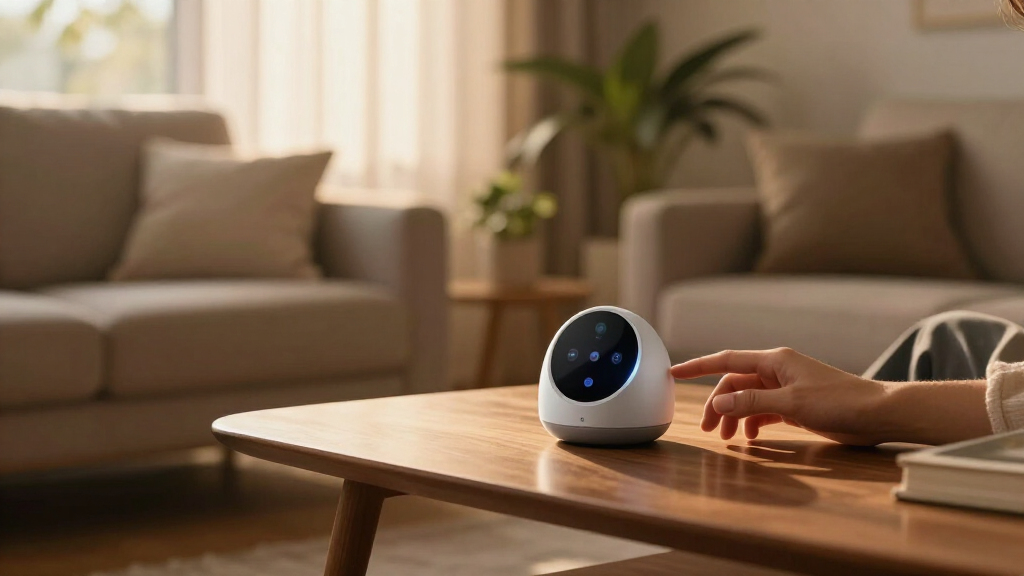
The Hubitat Elevation C-8 Pro remains a top choice for users prioritizing local control and privacy. It processes commands on-site, reducing reliance on cloud services, which appeals to privacy-conscious consumers. Meanwhile, AI voice command processors such as the Local AI Voices Command Processor continue to improve, offering seamless voice control without needing constant internet connectivity, though many still depend on cloud-based AI for advanced features.
DIY enthusiasts are increasingly turning to Raspberry Pi-based solutions, allowing extensive customization and integration into complex automation setups. These require technical skills but provide flexibility unmatched by commercial hubs. Additionally, energy monitoring devices like the Home Energy Monitor Lite incorporate AI analysis to provide insights into energy consumption, though their automation capabilities remain limited.
Bundles combining cameras, AI hubs, and automation controls, such as the SwitchBot bundle, are gaining popularity for comprehensive home monitoring, albeit at a higher price point. These devices aim to create integrated security and automation ecosystems, appealing to users seeking all-in-one solutions.
The 12 picks
- 1
 SwitchBot AI Hub Bundle with PTC Plus 5MP Camera, AI Smart Hub with OpenClaw…View on Amazon →
 - 2
 SwitchBot AI Hub with OpenClaw Support and Local Camera StorageView on Amazon →
 - 3
 Hubitat Elevation C-8 Pro Smart Home Hub, Local Control and AutomationsView on Amazon →
 - 4
 iSG Box SE ZB Smart Home Hub with Preinstalled Home AssistantView on Amazon →
 - 5
 AI-Powered Smart Home DevicesView on Amazon →
 - 6
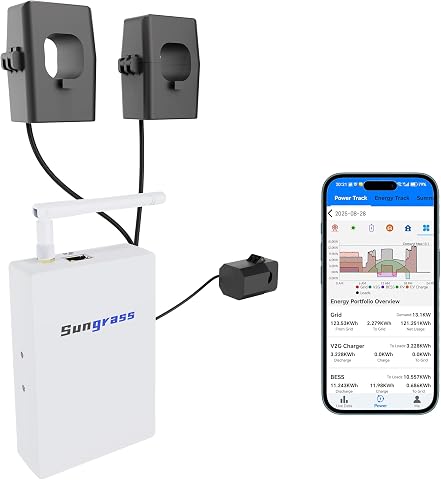 Home Energy Monitor Lite – Real-Time Electricity Usage & Power Consumption Me…View on Amazon →
 - 7
 iSG Box SE Smart Home Hub with Preinstalled Home AssistantView on Amazon →
 - 8
 AI-Powered Smart Home Guide 2026: A Step-by-Step Guide to Designing, Optimizi…View on Amazon →
 - 9
 Build Your Dream Smart Home with Raspberry Pi: The Complete DIY Guide to Crea…View on Amazon →
 - 10
 Speech Recognition Module for DIY Home Automation and RoboticsView on Amazon →
 - 11
 AI Powered Smart Home Guide for Beginners 2026View on Amazon →
 - 12
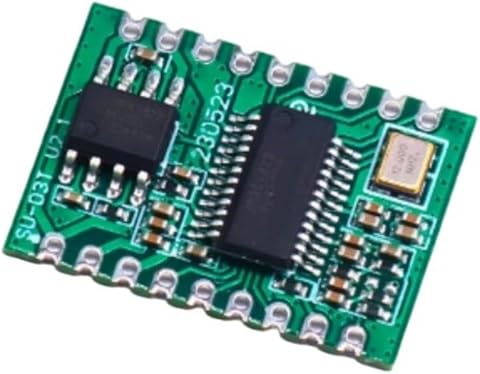 Local AI Voices Command Processor for Home Automation SystemsView on Amazon →
Why Privacy and Local Control Are Game Changers in 2026
The emphasis on local AI processing and privacy in 2026 marks a significant shift in the smart home industry. Consumers increasingly demand control over their data, leading manufacturers to develop more secure, on-site processing devices. This trend enhances reliability and reduces dependence on internet connectivity, making smart homes more resilient and trustworthy, especially in sensitive environments.
Moreover, the move towards customization and DIY solutions empowers users to tailor their automation systems, fostering innovation and broader adoption. As privacy concerns grow, these developments are expected to influence industry standards and consumer choices significantly.
Evolution of AI Home Automation Up to 2026
Over the past few years, the smart home market has shifted from basic remote controls and simple automation to sophisticated AI-driven systems. Early solutions relied heavily on cloud processing, raising privacy issues. Recent advancements focus on local AI processing and privacy-preserving technologies, driven by consumer demand and regulatory pressures. Devices like the Hubitat Elevation have set new standards for local control, while DIY platforms like Raspberry Pi have expanded options for tech-savvy users. The integration of AI with energy management, security, and automation continues to grow, shaping a more intelligent and secure home environment.
Unresolved Questions About AI Device Compatibility and Security
While local processing and DIY options are gaining popularity, it remains unclear how universally compatible these devices will be across different smart home ecosystems. Additionally, the security standards for DIY setups and new AI hubs are still evolving, raising questions about long-term data protection and interoperability. Industry regulators and manufacturers are working towards clearer standards, but comprehensive solutions are not yet finalized.
Next Steps for Industry Standards and Consumer Adoption
In the coming months, expect further product launches emphasizing privacy and local AI processing. Industry groups are likely to develop standardized protocols for device compatibility and security, facilitating broader adoption. Consumers should watch for updates on interoperability and data privacy policies, which will influence purchasing decisions. Manufacturers may also introduce subscription-based services or enhanced security features to complement their hardware offerings, shaping the future landscape of AI home automation in 2026.
Key Questions
Do I need technical skills to set up AI home automation devices in 2026?
It depends on the device. Basic plug-and-play hubs or voice assistants typically require minimal technical knowledge, with straightforward setup processes. However, DIY solutions like Raspberry Pi or custom automation hubs demand familiarity with networking, programming, and hardware configuration.
Are local AI devices more secure than cloud-based ones?
Generally, yes. Local AI devices process data on-site, reducing exposure to third-party servers and potential breaches. Cloud-based solutions often offer more advanced AI capabilities but pose higher privacy risks due to data sharing with external servers.
Will AI home automation in 2026 be affordable for most users?
Prices vary widely. While high-end bundles with cameras and advanced AI features can be costly, more affordable options like DIY setups or basic hubs are accessible to many consumers. Ongoing innovation may also drive prices down over time.
What should I consider when choosing an AI home automation device?
Prioritize factors such as privacy (local vs. cloud processing), compatibility with existing systems, ease of use, automation features, and budget. Assess your technical skills and specific needs to select the most suitable device for your home.
Source: ThorstenMeyerAI.com
Halloween Picks
halloween
As an affiliate, we earn on qualifying purchases.