🔍 Read the full analysis: Experience The Future: 14 AI-Driven Home Devices In 2026 on ThorstenMeyerAI.com
Listen free for 30 days with Audible
Thousands of audiobooks and originals — cancel anytime.
Start your free trialAs an affiliate, we earn on qualifying purchases.
TL;DR
In 2026, 14 new AI-powered home devices are redefining smart living, offering enhanced automation, privacy, and integration. This article details each device’s features and significance.
In 2026, the smart home market has seen the launch of at least 14 AI-powered devices designed to make living spaces more responsive, efficient, and personalized. These devices, developed by leading tech firms and innovative startups, aim to integrate seamlessly into existing ecosystems while offering advanced features like local processing, machine learning, and multi-protocol support. This wave of product releases underscores the rapid evolution of AI in home automation and signals a new era of intelligent living for consumers worldwide, as detailed in the original analysis.
Among the most notable releases is the Home Energy Monitor with IoT and AI Integration, which provides comprehensive energy insights and automation capabilities, making it the top overall choice for energy management. The SwitchBot AI Hub stands out for its support of the Matter protocol and local storage options, enabling more reliable and private automation. The Multi-Functional AI Voice Control Panel offers an intuitive interface that prioritizes voice commands, appealing to users seeking hands-free control.
These devices are characterized by their use of AI to enhance responsiveness, reduce latency through local processing, and improve privacy. Compatibility remains a critical factor, with many devices supporting multiple protocols like Zigbee, Z-Wave, and Wi-Fi to ensure integration with existing smart home systems. While premium options offer advanced AI features and better build quality, more affordable devices are also entering the market, often sacrificing some capabilities for lower costs. Ease of setup and user interface design are key considerations, especially for beginners, though power users may prefer customizable options that come with a steeper learning curve.
The 14 picks
- 1
 SwitchBot AI Hub with OpenClaw Support and Local Camera StorageView on Amazon →
 - 2
 Hubitat Elevation C-8 Pro Smart Home Automation Hub – Matter 1.5, Z-Wave 800…View on Amazon →
 - 3
 Multi-Functional AI Voice Control Panel with Mechanical LCD Keys and Secondar…View on Amazon →
 - 4
 Home Energy Monitor – Real Time Electricity Usage Monitor with AI-Powered Ana…View on Amazon →
 - 5
 SenseCAP Watcher W1-A Physical AI Agent, Clear Enclosure, Compatible with Hom…View on Amazon →
 - 6
 iSG Box SE ZB Smart Home Hub with Preinstalled Home AssistantView on Amazon →
 - 7
 AI-Powered Smart Home DevicesView on Amazon →
 - 8
 iSG Box SE Smart Home Hub with Preinstalled Home AssistantView on Amazon →
 - 9
 Arduino Home Automation Projects: Automate Your Home Using the Arduino PlatformView on Amazon →
 - 10
 SwitchBot Smart mmWave Radar Motion Sensor, Bluetooth Presence Sensor with Dy…View on Amazon →
 - 11
 Meross Presence Sensor MS605, IP67 Battery-Powered, Matter Over ThreadView on Amazon →
 - 12
 AI-Powered Smart Home Guide 2026: A Step-by-Step Guide to Designing, Optimizi…View on Amazon →
 - 13
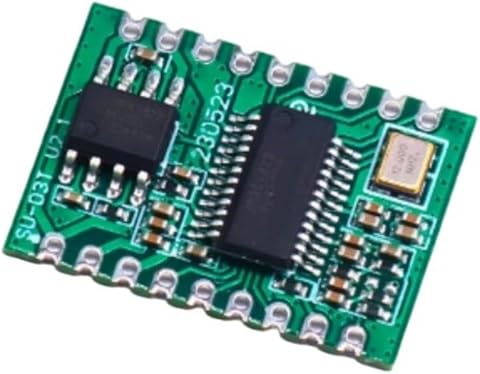 Local AI Voices Command Processor for Home Automation SystemsView on Amazon →
 - 14
 AI Powered Smart Home Guide for Beginners 2026View on Amazon →
Impact of AI Home Devices on Daily Living
The introduction of these 14 AI-driven devices in 2026 signifies a major shift in home automation, making smart homes more intuitive, energy-efficient, and privacy-conscious. These innovations enable users to automate routine tasks, optimize energy consumption, and enhance security with minimal effort. For consumers, this means greater convenience, lower utility costs, and improved safety. For the industry, it highlights the trend toward local AI processing and multi-protocol compatibility, which are shaping future product development and ecosystem standards.
2026 Market Trends in AI Home Automation
Over the past few years, the smart home market has rapidly expanded, driven by advances in AI, IoT, and wireless protocols. Companies have increasingly prioritized local AI processing to reduce latency and enhance privacy, alongside supporting multiple communication standards like Zigbee, Z-Wave, and Matter. Recent product launches reflect a broader industry focus on seamless integration, user-friendly interfaces, and scalable ecosystems. The market continues to evolve as consumers demand more sophisticated, yet easy-to-use, automation solutions that can adapt to diverse living environments.
Remaining Questions About 2026 AI Home Devices
While many devices have been officially announced and released, details about long-term durability, security, and full ecosystem compatibility are still emerging. It is not yet clear how well these devices will perform in diverse real-world environments or how they will handle future updates and interoperability challenges. Additionally, the extent to which privacy concerns are fully addressed by local AI processing remains an open question, as some manufacturers continue to rely on cloud-based features.
Next Steps and Future Developments in AI Home Tech
Manufacturers are expected to release firmware updates that enhance device capabilities and security. Industry standards, such as Matter, will likely become more widely adopted, simplifying cross-platform compatibility. Consumer adoption will also grow as more users integrate these devices into their daily routines, prompting further innovation. Market analysts predict upcoming launches of even more sophisticated AI home devices, with increased emphasis on energy management, security, and personalized automation.
Key Questions
Do I need a central hub to use these new AI home devices?
Many of these devices can operate independently via Wi-Fi or Bluetooth, but a central hub can simplify management and enable more complex automations. Compatibility with hubs like Hubitat or Home Assistant may enhance functionality.
How secure are these AI-driven home devices?
Security varies; devices with local processing tend to reduce external vulnerabilities, but all should support strong encryption and regular updates. Choosing reputable brands is advisable to ensure privacy and security.
Can I expand or upgrade my smart home system later?
Yes, most systems are designed to be scalable, supporting future additions through standard protocols like Zigbee, Z-Wave, and Matter. Compatibility considerations should guide initial choices to facilitate growth.
Are these devices compatible with existing smart home ecosystems?
Many new devices support multiple protocols and ecosystems, but compatibility varies. Checking device specifications for integration with platforms like Alexa, Google Home, or Apple HomeKit is recommended before purchase.
Source: ThorstenMeyerAI.com
NFL season / tailgating Picks
team gear
As an affiliate, we earn on qualifying purchases.