
🔍 Read the full analysis: 2026'S Top 11 AI Devices To Automate Every Corner Of Your Home on ThorstenMeyerAI.com

Get privacy and security gear delivered free — and shop member deals
- Fast, free delivery on millions of items
- Access to Prime Big Deal Days deals on October 6–7
- Prime Video, Amazon Music and more included
TL;DR
In 2026, eleven AI-powered devices are transforming home automation, offering smarter control over climate, security, lighting, and more. This guide highlights the top solutions for every budget and need.
Eleven AI-powered home automation devices are emerging as the leading solutions in 2026, offering enhanced convenience, energy efficiency, and security. For a detailed overview, see the original analysis. These devices are designed to seamlessly integrate into existing smart home ecosystems, providing users with intuitive control over lights, climate, security, and more. The selection reflects a combination of advanced AI features, broad protocol support, and user-friendly installation, making them relevant for both tech-savvy enthusiasts and casual users. To explore current trends, check out 2026’S Top 12 AI Home Automation Trends And Devices.
The list includes a variety of devices, from versatile hubs like the HomeClaw Smart Home Gateway, which supports multiple protocols and open-source customization, to specialized thermostats like the Google Nest Learning Thermostat, known for its adaptive learning capabilities. Budget-friendly options such as the Lutron Caseta Kit continue to serve those seeking reliable automation without complex AI features. Many devices now emphasize local AI processing, which enhances privacy and responsiveness, though some still rely on cloud-based AI for more advanced features.
Each device was evaluated based on its AI integration, ease of setup, compatibility, and overall build quality. Manufacturers are increasingly focusing on future-proofing, ensuring that their devices can expand and adapt as smart home ecosystems evolve. See Revolutionize Your Storage With 2026’S Leading AI-Integrated NAS Devices for related innovations. The trend toward open-source platforms and multi-protocol support is notable, as it allows users to customize their setups and avoid vendor lock-in. Overall, these devices aim to automate every corner of the home, from lighting and climate to security and entertainment, with AI making routines smarter and more intuitive.
The 11 picks
- 1
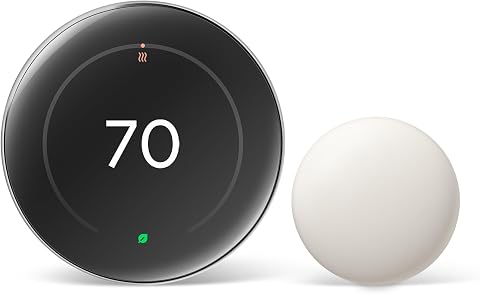 Google Nest Learning Thermostat (4th gen) + Nest Temperature Sensor (2nd gen)…View on Amazon →
 - 2
 SwitchBot AI Hub with OpenClaw Support and Local Camera StorageView on Amazon →
 - 3
 Lutron Caseta Deluxe Smart Switch Kit with 2 Switches, Hub, Remote, WallplateView on Amazon →
 - 4
 Hubitat Elevation C-8 Pro Smart Home Automation Hub – Matter 1.5, Z-Wave 800…View on Amazon →
 - 5
 HomeClaw Smart Home Gateway with Home Assistant & OpenClaw AIView on Amazon →
 - 6
 AI-Powered Smart Home DevicesView on Amazon →
 - 7
 iSG Box SE Smart Home Hub with Preinstalled Home AssistantView on Amazon →
 - 8
 Shelly 1PM Gen4 UL Smart Relay Switch with Power Metering, Wi-Fi, Zigbee & Ma…View on Amazon →
 - 9
 AI-Powered Smart Home Guide 2026: A Step-by-Step Guide to Designing, Optimizi…View on Amazon →
 - 10
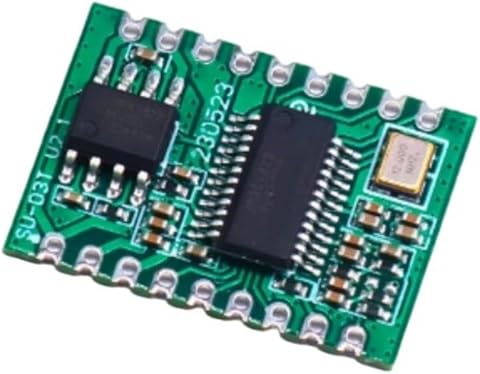 Local AI Voices Command Processor for Home Automation SystemsView on Amazon →
 - 11
 AI Powered Smart Home Guide for Beginners 2026View on Amazon →
Why 2026’s AI Devices Will Transform Home Living
The proliferation of AI-powered home devices in 2026 signifies a major shift toward fully automated, energy-efficient, and secure living spaces. These devices enable personalized routines, reduce energy costs, and enhance safety, making smart homes more accessible and functional for a broad audience. For consumers, this means less manual control and more seamless integration of daily tasks, while manufacturers benefit from a rapidly expanding market driven by AI innovations.
Furthermore, the emphasis on local AI processing addresses privacy concerns, offering faster response times and data security. As these devices become more sophisticated, they will likely influence broader industry standards, encouraging greater interoperability and open-source development. The impact extends beyond convenience, potentially reducing household energy consumption and improving overall quality of life through smarter automation.
Evolution of AI in Home Automation Leading to 2026
Over the past decade, home automation has transitioned from simple remote-controlled appliances to complex ecosystems powered by AI and multiple communication protocols. Early devices primarily relied on cloud processing, which posed privacy and latency issues. Recent advancements have shifted focus toward local AI processing and multi-protocol compatibility, enabling more responsive and secure systems.
In 2025, the market saw a surge in versatile hubs capable of integrating various protocols like Z-Wave, Zigbee, and Matter, which laid the groundwork for the comprehensive device lineup expected in 2026. Major players like Google, Amazon, and emerging startups have introduced AI-driven thermostats, security cameras, and lighting systems, emphasizing adaptive learning, voice control, and privacy. This evolution reflects a broader industry trend toward smarter, more customizable, and privacy-conscious home automation solutions.
Remaining Questions About 2026’s AI Home Devices
While the top devices have been identified based on current features and industry trends, details about their long-term reliability, compatibility with future protocols, and actual AI performance in diverse household environments remain uncertain. Many products are still in early release stages or pre-market testing, and real-world user feedback is limited.
Additionally, the extent to which local AI processing will be adopted widely, and how privacy concerns will influence future design choices, are still evolving topics. Market dynamics may shift as new entrants emerge or existing manufacturers update their offerings, making it difficult to predict the definitive leaders in home automation for the entire year.
Upcoming Developments in AI Home Automation for 2026
Manufacturers are expected to release newer versions of their flagship devices throughout 2026, incorporating more advanced AI features, enhanced privacy protections, and expanded protocol support. Consumer adoption will likely accelerate as these devices demonstrate increased reliability and ease of use.
Industry standards for interoperability and privacy are also anticipated to evolve, influenced by regulatory developments and consumer demand. Additionally, integration with emerging technologies such as 5G and edge computing will further enhance device responsiveness and scalability. Market analysts predict a surge in ecosystem-wide automation, with devices working seamlessly across different brands and protocols.
Key Questions
Can I upgrade my current smart home with these new AI devices?
Yes, many of these devices support common protocols like Z-Wave, Zigbee, and Matter, making integration with existing setups feasible. However, compatibility varies by device, so verifying specific protocol support and existing ecosystem compatibility is recommended before upgrading.
Are local AI processing devices more secure than cloud-based ones?
Generally, yes. Devices with local AI processing reduce data transmission to cloud servers, minimizing privacy risks and often providing faster responses. Nevertheless, they may have limitations in AI capabilities compared to cloud-based solutions, which can leverage more extensive processing power.
What should I consider when choosing an AI device for my home?
Key factors include compatibility with your existing ecosystem, AI features like adaptive learning, ease of installation, privacy considerations, and budget. Future scalability and protocol support are also important to ensure your system remains flexible and up-to-date.
Will these devices work with voice assistants like Alexa or Google Assistant?
Most top-rated AI home devices in 2026 support popular voice assistants, enhancing hands-free control. Always check device specifications to confirm compatibility with your preferred voice platform.
How reliable are these AI devices in real-world scenarios?
While many devices have demonstrated strong performance in controlled environments, real-world reliability depends on factors like network stability, household size, and device integration. User reviews and field testing will provide more insights as the products become widely available.
Source: ThorstenMeyerAI.com
Fall Picks
fall essentials
As an affiliate, we earn on qualifying purchases.