

🔍 Read the full analysis: Best AI-Powered Tools To Maximize Productivity In 2026 on ThorstenMeyerAI.com

Get privacy and security gear delivered free — and shop member deals
- Fast, free delivery on millions of items
- Access to Prime Big Deal Days deals on October 6–7
- Prime Video, Amazon Music and more included
TL;DR
In 2026, five AI-driven tools stand out for enhancing productivity across roles. They range from simple prompt collections to advanced project management platforms, helping users save time and make smarter decisions.
Five leading AI-powered productivity tools have emerged as essential resources for professionals and organizations in 2026. These tools aim to streamline workflows, improve decision-making, and foster innovation, with some emphasizing ease of use and others offering deep technical insights. For a detailed overview, see the original analysis. Their adoption underscores AI’s growing role in enhancing work efficiency across industries.
The top five AI tools identified for 2026 include ‘AI Productivity Made Easy,’ which provides straightforward strategies for quick efficiency gains; ‘The AI-Powered Project Manager,’ designed to optimize workflows through advanced prompt engineering; and three other platforms that target different professional needs. These tools have been selected based on their practical applicability, ease of integration, and user-friendliness, catering to a range of roles from individual contributors to organizational leaders.
According to sources from ThorstenMeyerAI.com, these tools balance accessibility with effectiveness, often sacrificing technical complexity for broader usability. You can explore more about AI productivity tools in this analysis. For example, prompt collections with ready-to-use templates enable immediate workflow improvements, while strategic frameworks help leaders incorporate AI into decision-making processes. Each tool’s value depends on the user’s role, technical comfort, and specific goals, whether it’s saving time, fostering innovation, or enhancing collaboration.
The 5 picks
- 1
 The AI-Powered Project Manager: The Ultimate Playbook to Save Dozens of Hours…View on Amazon →
 - 2
 The AI-Driven Leader: Harnessing AI to Make Faster, Smarter DecisionsView on Amazon →
 - 3
 AI Productivity Made Easy: Do More in Less Time, Stress Less, and Reclaim You…View on Amazon →
 - 4
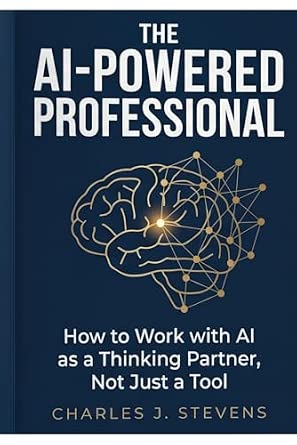 The AI-Powered Professional: How to Work with AI as a Thinking Partner, Not J…View on Amazon →
 - 5
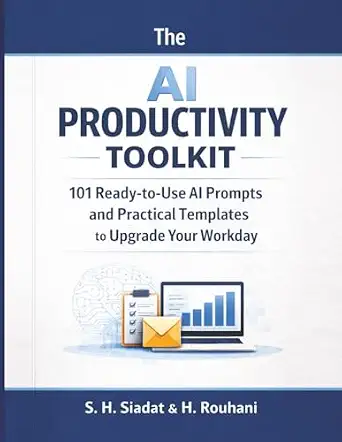 The AI Productivity Toolkit: 101 Ready-to-Use AI Prompts and Practical Templa…View on Amazon →
Why AI Tools Are Transforming Work in 2026
The integration of these AI tools marks a significant shift in workplace productivity strategies. They enable faster decision-making, reduce manual effort, and promote smarter collaboration, which is crucial as organizations face increasing data complexity and competitive pressure. For individual workers, these tools can lead to immediate efficiency gains; for managers and leaders, they support strategic planning and organizational agility. The adoption of AI-driven productivity solutions is expected to accelerate, making understanding and choosing the right tools essential for staying competitive in 2026 and beyond.
The Evolution of AI in Workplace Productivity
Over the past few years, AI has transitioned from experimental technology to a core component of workplace tools. Early AI applications focused on automation of repetitive tasks, but recent developments have introduced more sophisticated solutions that assist in strategic planning, creative collaboration, and decision-making. In 2026, the market is flooded with options, from simple prompt templates to comprehensive project management platforms, reflecting a broad spectrum of user needs and technical capabilities. This evolution underscores a growing recognition that AI can significantly enhance productivity when integrated thoughtfully.
“The best AI tools in 2026 strike a balance between ease of use and strategic impact, enabling users at all levels to harness AI effectively.”
— Thorsten Meyer, AI strategist
Unclear Long-Term Adoption and Integration Challenges
While these tools are gaining popularity, it remains unclear how widespread their adoption will become across different industries and organizational sizes. Challenges such as integration complexity, user training, and data security concerns could slow adoption rates. Additionally, the long-term impact on workforce dynamics and job roles is still evolving, with some experts cautioning about over-reliance on AI solutions. Further developments are needed to understand how these tools will fit into broader digital transformation strategies over the coming years.
Next Steps for AI-Powered Productivity in 2026
As the year progresses, expect continued innovation and refinement of these tools, with providers releasing updates that improve usability and expand functionalities. Organizations should focus on pilot programs to evaluate which tools best fit their workflows and invest in training to maximize benefits. Monitoring user feedback and industry trends will be crucial for adapting AI strategies effectively. Additionally, regulatory and security considerations will likely influence how these tools evolve and are adopted at scale.
Key Questions
Are these AI tools suitable for small businesses?
Many AI productivity tools are designed to be scalable and accessible for small businesses, offering templates and prompts that require minimal technical expertise. Some platforms specifically cater to smaller teams with simplified interfaces and affordable pricing.
Can these tools replace traditional project management methods?
While AI-powered tools can automate many aspects of project management and improve efficiency, they are intended to complement existing workflows rather than replace them entirely. Most organizations will integrate AI solutions alongside traditional methods.
Is technical knowledge required to use these AI tools effectively?
It varies by tool. Many focus on user-friendly interfaces and ready-to-use prompts suitable for non-technical users. More advanced platforms that involve prompt engineering or integration with custom systems may require some technical familiarity.
Will AI tools improve productivity immediately?
Many users report noticeable improvements within days or weeks, especially when the tools are tailored to specific tasks like scheduling or decision-making. However, optimal results depend on proper implementation and user training.
What role will AI play in organizational decision-making in 2026?
AI is increasingly becoming a strategic partner in decision-making, providing data-driven insights and automation that support leadership at all levels. Its role is expected to grow as tools become more sophisticated and integrated into daily workflows.
Source: ThorstenMeyerAI.com
Fall Picks
fall essentials
As an affiliate, we earn on qualifying purchases.