🔍 Read the full analysis: 11 Best AI Productivity Software In 2026 on ThorstenMeyerAI.com
Open a free Amazon Business account
Business pricing, bulk buying and tax-exempt orders.
Create a free accountAs an affiliate, we earn on qualifying purchases.
TL;DR
In 2026, AI productivity software continues to evolve, with 11 standout tools enhancing automation, collaboration, and customization. Microsoft Copilot leads, but many options suit different needs.
Eleven AI productivity tools have been identified as the top options for 2026, transforming how professionals and teams work by automating tasks, streamlining workflows, and enhancing collaboration. Leading the list is Microsoft Copilot, praised for its broad integration with Microsoft 365, while other tools like Claude AI excel in prompt engineering for advanced users. This development underscores the growing importance of AI in everyday work, offering both accessibility for beginners and depth for power users.
The selection of these 11 tools was based on their AI feature set, ease of integration, user interface, automation capabilities, and overall value. Microsoft Copilot remains the top choice for its seamless integration across Microsoft products, making it ideal for enterprise environments. Claude AI is favored by professionals seeking sophisticated prompt engineering and customization, while other options cater to niche needs such as ADHD management or beginner-friendly automation.
Pricing varies widely among these solutions, from free or low-cost plans suitable for individuals to premium enterprise options. Many tools support automation within familiar platforms, reducing the learning curve and increasing productivity. The trend suggests that AI tools are becoming more accessible, flexible, and tailored to specific workflows, reflecting an industry shift towards smarter, more integrated work environments.
The 11 picks
- 1
 Claude AI for Microsoft 365 for Beginners: Practical Guide to Mastering Produ…View on Amazon →
 - 2
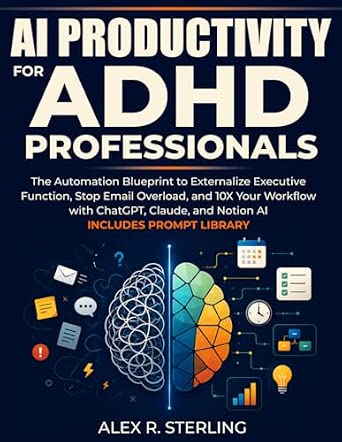 AI Productivity for ADHD Professionals: Automation Blueprint to Externalize E…View on Amazon →
 - 3
 Mastering Claude AI: The Complete Practical Guide to Prompt Engineering, Proj…View on Amazon →
 - 4
 AI Prompts for Productivity and Time Management: 500 Powerful Prompts to Work…View on Amazon →
 - 5
 Master AI for Beginners: Develop Artificial Intelligence Basics, Understand M…View on Amazon →
 - 6
 AI Tools for Everyone: Your Guide to Artificial IntelligenceView on Amazon →
 - 7
 AI-Powered Productivity & Prompt Engineering: A Practical System to Work Smar…View on Amazon →
 - 8
 Microsoft Copilot: A Practical Guide to Using AI in Word, Excel, PowerPoint,…View on Amazon →
 - 9
 AI Productivity Made Simple: How to Use ChatGPT, Automation Tools, Prompts, a…View on Amazon →
 - 10
 AI Tools for Productivity: Microsoft Copilot at Work for BeginnersView on Amazon →
 - 11
 How To Master Generative AI: Master AI Tools, Write Better Prompts, Boost Pro…View on Amazon →
Why These AI Tools Matter in Modern Work
The prominence of these 11 AI productivity software options indicates a significant shift in workplace technology, emphasizing automation, customization, and seamless integration. For users, this means increased efficiency, reduced manual effort, and the ability to focus on higher-value tasks. For organizations, adopting these tools can lead to improved collaboration, faster decision-making, and competitive advantages in a rapidly evolving digital landscape. As AI continues to mature, these solutions are setting the standard for future work environments, making them essential for staying productive and innovative in 2026.
Evolution of AI Productivity Software in 2026
The landscape of AI productivity tools has expanded rapidly over recent years, driven by advances in machine learning, natural language processing, and cloud computing. In 2026, the market is characterized by a mix of broad, all-in-one platforms like Microsoft Copilot and specialized solutions such as Claude AI, which caters to prompt engineering professionals. Early in the decade, many tools focused on basic automation, but recent developments emphasize deep customization, integration with existing workflows, and niche functionalities for specific user needs.
This evolution reflects a broader industry trend toward making AI tools more accessible and adaptable, with a focus on reducing complexity while increasing power. Major players have also prioritized compatibility with popular productivity suites like Microsoft 365, ensuring that AI assistance becomes a natural part of daily work routines. The ongoing development indicates that AI productivity software will continue to be a cornerstone of digital work in the coming years, with 2026 marking a mature phase of this transformation.
Remaining Questions About AI Productivity Tools in 2026
While the top tools have been identified based on current features and user feedback, it is still unclear how rapidly these solutions will evolve over the next year. Specific details about upcoming updates, new features, or shifts in pricing models are not yet confirmed. Additionally, long-term user adoption and the impact of emerging competitors remain to be seen, making it uncertain how dominant these tools will remain in the future.
Future Developments in AI Productivity Software
Expect ongoing enhancements to existing tools, including deeper integrations, more automation options, and personalized workflows. New AI features tailored for niche markets or specific industries are likely to emerge, further expanding the ecosystem. Industry analysts predict increased adoption in small and medium-sized enterprises, driven by decreasing costs and improved usability. Monitoring updates from leading providers like Microsoft, OpenAI, and emerging startups will be crucial for understanding how the landscape continues to evolve in 2026 and beyond.
Key Questions
How do I choose the best AI productivity software for my needs?
Assess your work requirements, technical comfort, and budget. Prioritize tools that integrate well with your existing platforms, offer user-friendly interfaces if you’re a beginner, or advanced customization if you’re a power user. Consider trial periods to evaluate features before committing.
Are free AI tools sufficient for professional use?
Many free options handle basic automation and prompt generation, suitable for casual tasks. However, for complex workflows, reliability, and dedicated support, paid plans often provide more advanced features and higher limits, making them preferable for professional environments.
Will AI productivity tools replace human workers?
Current AI tools are designed to augment human efforts by automating routine tasks and enhancing decision-making. They are not expected to replace human workers entirely but to serve as productivity multipliers, enabling professionals to focus on strategic, creative, or complex tasks.
How secure are these AI tools for sensitive data?
Security varies by provider. Leading solutions implement encryption, compliance standards, and data privacy measures. Users should review each tool’s security policies and choose those with strong protections, especially when handling sensitive or confidential information.
Source: ThorstenMeyerAI.com
NFL season / tailgating Picks
team gear
As an affiliate, we earn on qualifying purchases.