

🔍 Read the full analysis: 12 Best AI Voice Cloning Software Guides For 2027 on ThorstenMeyerAI.com

Get privacy and security gear delivered free with Prime
- Fast, free delivery on millions of items
- Prime Video, Amazon Music and more included
- Member-only deals all year
TL;DR
A ThorstenMeyerAI.com comparison presents 12 books and guides for learning about AI voice cloning, including platform-focused, beginner, and coding-oriented resources. The titles are learning materials, not voice-cloning software, and the source does not verify their current contents, tool compatibility, or the performance of any separate service.
ThorstenMeyerAI.com has published a comparison of 12 AI voice-cloning guides, ranging from an ElevenLabs-focused handbook to a Python resource and books aimed at beginners. The list is about learning materials, not software: readers still need to choose and verify a separate hosted service or local model to create cloned speech.
The comparison names Mastering ElevenLabs as its best overall learning pick because its stated scope includes cloning, generation, dubbing, and audio production. It points readers seeking implementation skills toward AI Voice Cloning with Python, while Clone Your Voice: Easy, No Studio is described as an accessible option for a first project. These recommendations reflect the source’s assessment of each title’s learning value, not independent tests of software output.
Other titles in the list include ElevenLabs for Beginners 2026, several focused ElevenLabs guides, broad audio-AI handbooks, music-oriented resources, and guides addressing local AI workflows. The supplied source does not provide a complete bibliographic record or descriptions for every title, so its shorter entries cannot be compared here in equal detail. It says its ordering weighs topic fit, skill level, and practical workflow coverage.
The publisher says it did not rank the books by voice fidelity, latency, licensing, security, or subscription features. Those depend on the separate tool a reader uses and can change over time. A guide tied to a hosted platform may be easier to follow, but its instructions can age as the service changes; a local coding guide may offer more control while requiring setup and troubleshooting.
The 12 picks
- 1
 Clone Your Voice: Easy, No Studio: The Weekend Guide to AI Voice CloningView on Amazon →
- 2
 Mastering ElevenLabs: A Practical Guide to AI Voice Generation, Voice Cloning…View on Amazon →
- 3
 Suno AI Music Bible: A Guide to Prompt Engineering, Suno Studio, Voice Clonin…View on Amazon →
- 4
 The Complete Guide to ElevenLabs: AI Voice and Audio CreationView on Amazon →
- 5
 AI for Caveman: Build Your Own Forge to Run LLMs, Stable Diffusion, and Voice…View on Amazon →
- 6
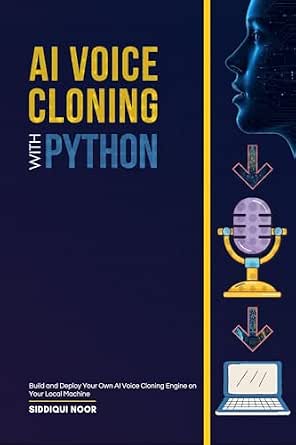 AI Voice Cloning with Python: Build and Deploy a Local Voice Cloning EngineView on Amazon →
- 7
 ElevenLabs: A Complete Guide to AI Voice Generation and CloningView on Amazon →
- 8
 The AI Voice Creator’s Handbook: A Practical Guide to Voice Generation, Cloni…View on Amazon →
- 9
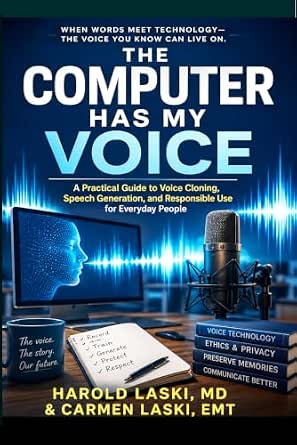 The Computer Has My Voice: An Independent Guide to Voice Cloning, Speech Gene…View on Amazon →
- 10
 AI Voice Cloning: The Complete Guide to ElevenLabs and BeyondView on Amazon →
- 11
 Audio AI for Beginners: Generative AI for Voice Recognition, Text-to-Speech,…View on Amazon →
- 12
 ElevenLabs for Beginners 2026: A Step-by-Step Guide to AI Voice GenerationView on Amazon →
Choosing a Guide Without Buying Software
The distinction between instruction and a working voice-cloning tool matters for readers comparing products. A book can explain a workflow, but it does not provide access to a service, confirm that a model is available, or establish what a platform currently permits. Buyers should check the guide’s contents and the software’s current documentation separately.
The choice also affects the work required. A hosted workflow may reduce installation effort, while a local Python approach can require managing dependencies, hardware limits, and model files. Neither route is automatically right for every project. Readers should match the guide to what they intend to make and how much technical control they want, rather than treating complexity as a proxy for quality.
Voice cloning also involves consent and privacy decisions. The source advises obtaining clear permission from the speaker, reviewing the service’s rules for consent and commercial use, and checking how recordings are stored and accessed. A local setup does not remove the need to use a voice responsibly.
Products Worth Considering

Logitech MX Master 4 for Mac, Ergonomic Bluetooth Mouse with Haptic Feedback, Ultra-Fast Scrolling, USB-C Charging, for MacOS, iPadOS, Windo

Amazon Kindle Paperwhite (12th Generation, 2024), 16 GB, 7-inch Display, Jade

Amazon Kindle Scribe Colorsoft 64GB (1st Generation)
As an affiliate, we earn on qualifying purchases.
How the 12 Guides Were Ranked
ThorstenMeyerAI.com says it ranked the titles by how directly they teach voice-cloning workflows, how clearly their scope fits a reader’s skill level, and whether they cover practical tasks beyond generating a sample. The comparison gives weight to related work such as dubbing, narration, editing, deployment, and production.
That method helps explain why the list includes both narrow introductions and wider handbooks. A focused guide may be the more useful choice for one platform or a first project, while a broader book may map more of an audio-production workflow. The source cautions that breadth is not the same as step-by-step instruction and recommends checking a title’s contents for the task a reader needs.
“Mastering ElevenLabs earns the lead for its breadth across cloning, dubbing, and audio production.”
— ThorstenMeyerAI.com
What the Comparison Cannot Verify
The supplied material does not give full details for all 12 titles, including publication dates, editions, authors, or chapter-level coverage. It also does not document hands-on testing of the books or verify that their examples match the current versions of software services. The phrase “2027” in the list’s framing does not establish that each guide was published or updated for that year.
There is no comparison of actual cloning results, pricing, account requirements, data retention, or permitted commercial uses. Those points are dependent on the chosen platform or model and may change. Readers should verify them with current provider documentation before recording or uploading audio.
Checks Before Choosing a Guide
Readers can start by deciding whether they need a first-project walkthrough, a platform-specific process, a broad production guide, or technical instruction for building a local workflow. They should then review each title’s contents and check whether its examples match the software or model they plan to use.
Before creating a clone, verify the tool’s current access requirements, data practices, consent rules, and commercial-use terms. The comparison supplies a way to sort learning resources by intended use, but the next decision—selecting and checking the software itself—remains with the reader.
Key Questions
Are the 12 picks voice-cloning software?
No. They are books and learning guides; readers need a separate service or local model to generate cloned speech.
Which guide does the source rank as the best overall learning pick?
ThorstenMeyerAI.com names Mastering ElevenLabs, citing its coverage of cloning, generation, dubbing, and audio production.
Which title is aimed at readers who want to code?
The source identifies AI Voice Cloning with Python as the closest fit for readers seeking implementation skills. It may be a poor match for someone who only wants a simple hosted workflow.
Does the list test voice quality or compare prices?
No. The publisher says it ranked the learning resources, not software performance, pricing, licensing, security, or subscription features.
What should I check before cloning a voice?
Get clear permission from the speaker, review the selected service’s consent and use rules, and understand how recordings are stored and accessed. A local workflow does not remove the need for responsible use.
Source: ThorstenMeyerAI.com