
📊 Full opportunity report: Using AI To Turn Case Information Into Investigation Reports on IdeaNavigator AI — validation score, market gap, and execution plan.

Get privacy and security gear delivered free with Prime
- Fast, free delivery on millions of items
- Prime Video, Amazon Music and more included
- Member-only deals all year
TL;DR
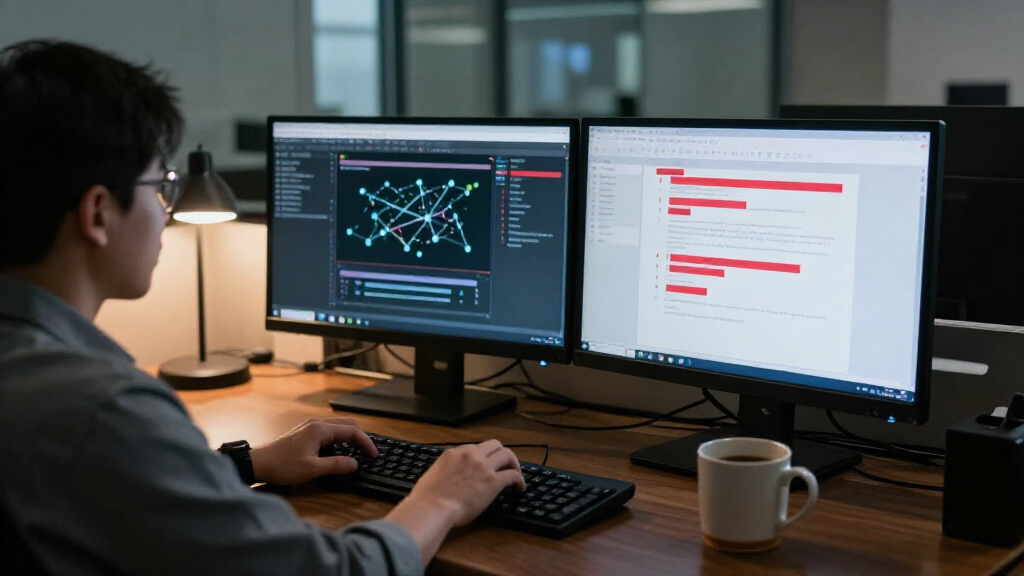
IdeaNavigator AI has outlined a proposed report-generation tool for independent private investigators and small firms. The concept would organize field notes, timestamped photos and GPS tracks into a chronological draft, but it is a product proposal—not evidence of a launched service or proven courtroom suitability.
According to IdeaNavigator AI’s proposal, the company is considering a report-generation tool for independent private investigators and small firms. It would turn field notes, timestamped photos and GPS records into chronological investigation reports. The concept addresses hours investigators may spend writing after surveillance work, but the proposal reports no product launch, completed trial or legal admissibility results.
IdeaNavigator AI’s proposal describes a minimum viable product that would accept field notes, time-stamped photographs and GPS tracks, then assemble them into a narrative organized by time. The proposed features include exhibit references, flags for possible gaps in the timeline and export to a firm’s own report template. The proposal also includes a human review step.
IdeaNavigator AI identifies independent investigators and small private-investigation firms as the intended customers. It suggests a monthly, per-seat subscription with pricing tiers based on report volume. The proposal gives no prices or technical specifications and names no product.
For validation, IdeaNavigator AI proposes converting recent case files from 10 firms into reports, asking the firms’ attorneys to assess their quality for admissibility, and measuring time saved per report. These are proposed tests, not completed research: the proposal identifies no participating firms, attorney assessments, measured savings or test outcomes.
Investigation technology · Proposal watch
Using AI to Turn Case Information Into Investigation Reports
IdeaNavigator AI has outlined a proposed tool to turn investigators’ notes, timestamped photos, and GPS tracks into chronological draft reports. It remains a product concept: no launch, completed trial, or courtroom suitability results are reported.
01 / Proposed workflow
From raw records to a reviewable draft
The concept focuses on organizing recorded observations into a formal narrative. Investigators would remain responsible for checking the draft and its supporting evidence.
Gather records
Field notes, timestamped photographs, and GPS tracks enter the workflow.
Arrange events
The proposed system orders recorded observations chronologically.
Link exhibits
Drafts would reference supporting items and flag possible timeline gaps.
Review & export
A person checks the report before export to the firm’s template.
02 / Why it matters
The promise—and the hard part
Report writing can take time after surveillance work. Speed only helps if the narrative remains faithful to the records and useful to its readers.
Potential benefit
Less drafting work
Automating parts of report preparation could reduce administrative time and leave more room for casework. No time savings have been measured.
Quality requirement
Traceable chronology
Each event should be ordered clearly and connected to its source. A polished narrative alone does not establish accuracy or legal sufficiency.
Human responsibility
Review before use
People would need to check timestamps, conflicting records, exhibit links, and edits before relying on a draft in a case.
03 / Validation plan
A test is proposed, not completed
IdeaNavigator AI suggests a pilot with recent files from 10 firms. The proposal names no participants and reports no outcomes.
01 · Build drafts
Use recent case files
Convert investigators’ material into chronological reports with exhibit references and possible gap flags.
02 · Review quality
Ask attorneys
Have firms’ attorneys assess report quality for admissibility. No review criteria or findings are specified.
03 · Measure workflow
Track time saved
Measure time per report, while also checking accuracy, source links, and whether the draft preserves the meaning of the records.
04 / Adoption checklist
What remains unanswered
The proposal leaves practical and legal questions open. Adoption decisions would need evidence across accuracy, privacy, workflow, and cost.
Reported today
Concept onlyThe proposal gives no product name, technical specifications, pricing, release schedule, or evidence of courtroom admissibility.
Questions before adoption
05 / Key questions
What we know—and what we don’t
The proposal describes a possible workflow and a way to study it. Its real-world performance remains unknown.
What would the tool do?
Turn notes, timestamped photos, and GPS tracks into a chronological draft, with exhibit references, possible timeline-gap flags, and export to a firm template.
Is it available now?
No availability is confirmed. The proposal names no product and gives no launch date.
Has courtroom admissibility been established?
No. Attorney review is proposed as part of a future test; no admissibility findings are presented.
How would the idea be tested?
Use recent case files from 10 firms, ask attorneys to review resulting reports, and measure time saved per report. No participants or results are identified.
The Cost of Report Preparation
Investigation reports record what happened, when it happened and what evidence supports the account. IdeaNavigator AI’s proposal is based on the possibility that automating parts of report drafting could reduce administrative work after surveillance and give investigators more time for casework. Whether it would do so depends on the tool’s ability to handle messy records without introducing errors or obscuring the underlying evidence.
Report quality can affect how clients, attorneys and courts evaluate investigative work. A polished narrative is not necessarily an accurate or legally sufficient one. Chronology, source references and human review therefore matter at least as much as speed. The proposal’s suggested attorney review and time-savings measures address two distinct questions: whether drafts meet legal needs and whether they make work more efficient.
IdeaNavigator AI describes a narrow target market: small firms with recurring report-writing tasks, rather than law enforcement or large investigative organizations. That focus could make an initial test easier to define, but the proposal does not establish that firms will pay for the tool or that it will fit different cases and reporting requirements.
Products Worth Considering

Bose QuietComfort Wireless Bluetooth Headphones with Active Noise Cancellation, Mic, USB‑C Charging, Deep Bass, 24‑Hour Battery – White Smok

Apple Watch SE 3 GPS 44mm Smartwatch

Anker SOLIX S2000 Portable Power Station, 2,010Wh, 1,500W
As an affiliate, we earn on qualifying purchases.
A Narrow Test for Investigators
IdeaNavigator AI frames the concept as a potential first use of generative AI in investigation-services software. The proposed task is to transform structured observations into formal narrative: arrange recorded events in sequence and connect the account to supporting exhibits. The proposal does not describe asking an AI system to make investigative judgments or decide what evidence means.
The proposed inputs—notes, photographs and location tracks—may record different aspects of an event and may not align perfectly. The proposal includes a feature to flag possible gaps in a timeline, but does not specify how the system would resolve differences, verify timestamps or distinguish a missing record from an event that did not occur.
IdeaNavigator AI proposes a pilot using recent case files from 10 firms and attorney reviews of the resulting reports. That design could generate feedback about workflow and report quality, but the proposal does not explain how cases would be selected, what criteria attorneys would use, or how sensitive case material would be protected. No results are reported to establish whether the idea works in practice.
Accuracy and Courtroom Review
IdeaNavigator AI’s proposal describes no operating product or test findings. It remains unclear whether any firms have agreed to participate, how much time report writing currently takes, or what amount of time an AI-assisted workflow might save. The suggested 10-firm exercise is a validation plan, not a completed study.
The proposal does not establish that AI-generated reports would be admissible in court. Admissibility and usefulness may depend on the case, the evidence, the report’s preparation and review, and applicable legal requirements. Attorney review is proposed as a quality check, but no legal standard or review protocol is specified.
The proposal also leaves unanswered how the tool would handle contradictory records, preserve original evidence, protect confidential client information and make edits traceable. It provides no information about data storage, security measures, human sign-off requirements, pricing or a release schedule. Until those details and test results are available, claims about reliability, savings or courtroom suitability would be premature.
Evidence Needed Before Adoption
IdeaNavigator AI proposes a pilot using recent files from 10 private-investigation firms. Under the suggested plan, investigators would use the material to generate reports, attorneys would review the reports’ admissibility quality, and firms would measure time saved per report. The proposal does not state when the work will begin or whether firms have been recruited.
Useful findings would need to distinguish drafting speed from report accuracy and legal review outcomes. A time-saving result alone would not show whether the generated narrative preserves the meaning of the notes, correctly links exhibits or flags gaps consistently. Details about privacy protections and the human review process would also be needed before firms could judge the tool’s suitability for case files.
As described by IdeaNavigator AI, the development remains a product concept with a suggested validation method. Whether it advances to a working service, and whether attorneys find its reports acceptable, remains unknown.
Source: IdeaNavigator AI proposal
Key Questions
What would the proposed AI report generator do?
According to IdeaNavigator AI’s proposal, it would turn investigators’ notes, timestamped photos and GPS tracks into a chronological draft report, with exhibit references, timeline-gap flags and export to a firm template.
Is the tool available now?
IdeaNavigator AI describes a product proposal. The information provides no launch date, named product or confirmation that a working tool is available.
Has the report format been shown to be admissible in court?
No admissibility findings are reported in the proposal. It suggests asking attorneys to review reports as part of a test, but does not present that evaluation as completed.
How would the idea be tested?
IdeaNavigator AI proposes using recent case files from 10 firms, asking attorneys to review the generated reports and measuring time saved per report. The proposal identifies no participating firms or results.
Source: IdeaNavigator AI