
TL;DR

Get privacy and security gear delivered free with Prime
- Fast, free delivery on millions of items
- Prime Video, Amazon Music and more included
- Member-only deals all year
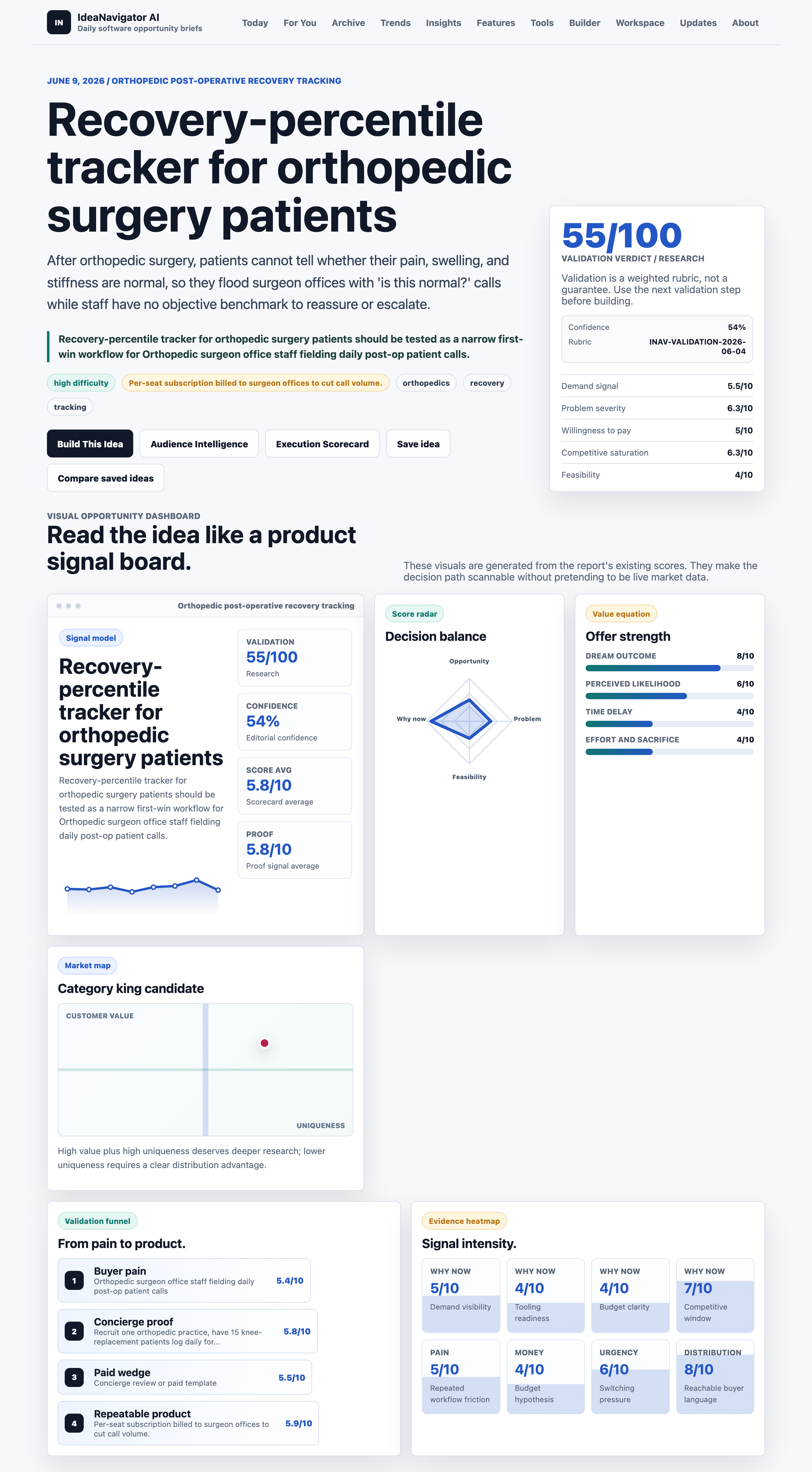
A prototype recovery tracker for orthopedic patients is under testing to help patients monitor their recovery and reduce unnecessary calls to surgeons. The initiative targets outpatient procedures like knee replacements and aims to streamline post-op care.
A new recovery-percentile tracker for orthopedic surgery patients is being tested in a pilot program to help patients monitor their recovery progress and reduce the volume of post-operative calls to surgeon offices. The initiative is designed to address the rising number of outpatient orthopedic procedures and the staffing challenges faced by clinics, with the goal of providing objective, data-backed reassurance to patients and streamlining post-surgical care.
The recovery tracker works by having patients log daily data on pain levels, range of motion, and walking milestones following procedures such as knee replacements. This data is then plotted as a percentile against anonymized recovery curves for the same surgeries, providing patients and staff with an objective benchmark of recovery progress. The system is intended to be implemented initially as a narrow workflow within orthopedic practices, targeting the most common outpatient surgeries.
According to an anonymous researcher involved in the project, the tracker aims to reduce the number of ‘is this normal?’ calls by offering patients clear, data-driven insights into their recovery status. A pilot study is underway with one orthopedic practice, involving 15 knee-replacement patients who will log their recovery metrics daily for two weeks. The effectiveness will be measured by comparing call volume before and after implementation, focusing on whether tracked patients place fewer calls seeking reassurance.
Potential Impact on Post-Operative Care Efficiency
This recovery tracker could significantly improve post-surgical care by providing patients with real-time, personalized benchmarks of their recovery. It offers a scalable solution to the common problem of patient anxiety and excessive call volume, particularly as outpatient procedures increase. If successful, it could lead to broader adoption across orthopedic practices, reducing staff workload and enhancing patient satisfaction through objective, transparent recovery tracking.
As an affiliate, we earn on qualifying purchases.
Growing Need for Post-Op Monitoring Tools
Outpatient orthopedic surgeries, such as knee replacements, are on the rise, creating a demand for better post-operative management tools. Currently, many patients rely on subjective feelings and generic instructions, often leading to unnecessary calls to clinics. Staff shortages further complicate timely reassurance and escalation, highlighting the need for objective recovery data. Previous efforts to improve post-op communication have focused on patient education, but few tools provide real-time, personalized benchmarks. The development of recovery-percentile trackers aligns with trends toward digital health solutions and data-driven care in orthopedics.
“The goal is to give patients a clear, objective view of their recovery, reducing anxiety and unnecessary calls.”
— an anonymous researcher
post-surgical recovery monitoring device
As an affiliate, we earn on qualifying purchases.
As an affiliate, we earn on qualifying purchases.
Uncertainties About Broader Implementation
It is not yet clear how well the tracker will perform across diverse patient populations or different surgical procedures. The pilot involves only one practice and a limited number of patients, so scalability and long-term effectiveness remain unproven. Additionally, questions about patient engagement, data privacy, and integration with existing clinical workflows are still being addressed.
As an affiliate, we earn on qualifying purchases.
Next Steps in Validation and Expansion
The pilot study will conclude after two weeks, with results assessing whether the tracker reduces call volume and improves patient confidence. Pending positive outcomes, plans include expanding testing to multiple practices and broader procedures. Further development may involve refining user interfaces and integrating with electronic health records to streamline adoption. Researchers and developers aim to publish initial findings within the next six months, paving the way for wider deployment.
As an affiliate, we earn on qualifying purchases.
Key Questions
How does the recovery-percentile tracker work?
Patients log daily data on pain, mobility, and walking milestones, which are then plotted against anonymized recovery curves to provide a percentile ranking of their progress.
Will this tracker replace post-op phone calls?
Not entirely, but it aims to reduce unnecessary calls by providing objective data that reassures patients about their recovery status.
Is patient data secure with this system?
Data privacy and security are being addressed as part of the development process, with plans to comply with healthcare data regulations before broader rollout.
When will this tool be available for widespread use?
If pilot results are positive, broader deployment could occur within the next year, pending further validation and integration efforts.
Source: IdeaNavigator AI
Halloween Picks
halloween
As an affiliate, we earn on qualifying purchases.