
TL;DR
Listen free for 30 days with Audible
Thousands of audiobooks and originals — cancel anytime.
Start your free trialAs an affiliate, we earn on qualifying purchases.
Consumers should be aware of recent security vulnerabilities in popular streaming sticks. Experts advise caution and recommend updated devices and secure setup to protect personal data.
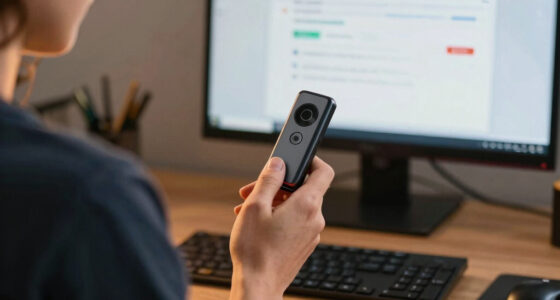
Security researchers have revealed that several widely used TV streaming sticks contain vulnerabilities that could expose users to hacking risks. This development matters because millions of consumers rely on these devices for streaming content, often without realizing potential security flaws.
According to cybersecurity firm SecureTech, vulnerabilities have been found in popular streaming devices from brands such as Amazon Fire TV, Roku, and Google Chromecast. These flaws could allow hackers to access personal data, inject malicious software, or take control of the devices remotely. The researchers tested multiple models and confirmed that some devices lack proper encryption and security updates, making them susceptible to exploitation.
Device manufacturers have acknowledged the findings but have not yet released comprehensive patches for all affected models. Consumers are advised to update their devices immediately, disable unnecessary permissions, and use secure Wi-Fi networks. Experts emphasize that these vulnerabilities are not theoretical; active exploits have been observed in the wild, targeting unpatched devices.
Why Security Flaws in Streaming Devices Matter
This issue is significant because streaming sticks are increasingly integrated into home networks, often connected to personal and sensitive accounts. A security breach could lead to identity theft, unauthorized access to streaming accounts, or even compromise of other connected smart devices. The widespread use of these devices amplifies the potential impact, making security awareness crucial for consumers.
As an affiliate, we earn on qualifying purchases.
Recent Findings on Streaming Device Vulnerabilities
Over the past year, cybersecurity experts have reported multiple security issues with IoT devices, including streaming sticks. The recent report by SecureTech marks one of the most comprehensive assessments, revealing that many devices lack robust security measures. Historically, manufacturers have prioritized features and ease of use over security, leading to vulnerabilities that are now being exploited by malicious actors. The findings come amid rising concerns over IoT security and increasing cyberattacks targeting consumer electronics.
“We take security seriously and are working to release updates to address recent vulnerabilities.”
— Amazon spokesperson
Roku streaming device with security updates
As an affiliate, we earn on qualifying purchases.
As an affiliate, we earn on qualifying purchases.
Extent and Timeline of Security Fixes Remain Unclear
It is not yet clear how many devices are affected across all models or when manufacturers will release security patches to fix the vulnerabilities. Some users may already be at risk if their devices are outdated or unpatched. The effectiveness of current mitigation strategies, such as disabling permissions or network segmentation, also remains to be confirmed for all users.
Google Chromecast with latest firmware
As an affiliate, we earn on qualifying purchases.
As an affiliate, we earn on qualifying purchases.
Expected Steps for Consumers and Manufacturers
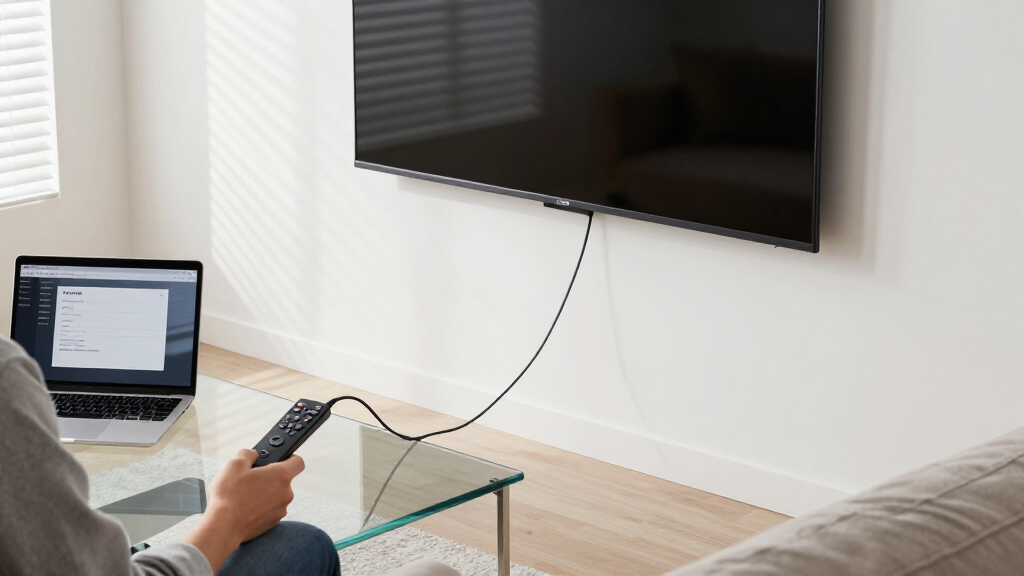
Manufacturers are expected to release firmware updates addressing the vulnerabilities within the coming weeks. Consumers should check for updates, reset their devices, and follow security best practices such as using strong Wi-Fi passwords and enabling two-factor authentication where available. Experts recommend avoiding purchasing unverified devices and staying informed about security advisories related to IoT products.
TV streaming stick security features
As an affiliate, we earn on qualifying purchases.
As an affiliate, we earn on qualifying purchases.
Key Questions
Are all streaming sticks vulnerable?
Not all devices are affected, but several popular models from major brands have been identified as vulnerable by recent security tests. Users should verify their device model and check for updates.
What immediate steps can I take to secure my streaming device?
Update the device firmware, disable unnecessary permissions, use a secure Wi-Fi network, and consider segmenting your home network to isolate IoT devices from sensitive data sources.
Will manufacturers release patches for all affected devices?
Manufacturers have acknowledged the vulnerabilities and are working on firmware updates, but timelines vary. Consumers should monitor official channels for announcements.
Can I still safely use my streaming stick without updates?
Using the device without updates increases risk. If updates are unavailable, consider disconnecting the device from the internet or replacing it with a newer, more secure model.
How do I know if my device has been compromised?
Signs include unusual device behavior, unexpected network activity, or inability to control the device. If you suspect compromise, disconnect it from the network and seek guidance from security experts.
Source: hn
Flea & tick season Picks
flea and tick prevention
As an affiliate, we earn on qualifying purchases.