
TL;DR

Get privacy and security gear delivered free with Prime
- Fast, free delivery on millions of items
- Prime Video, Amazon Music and more included
- Member-only deals all year
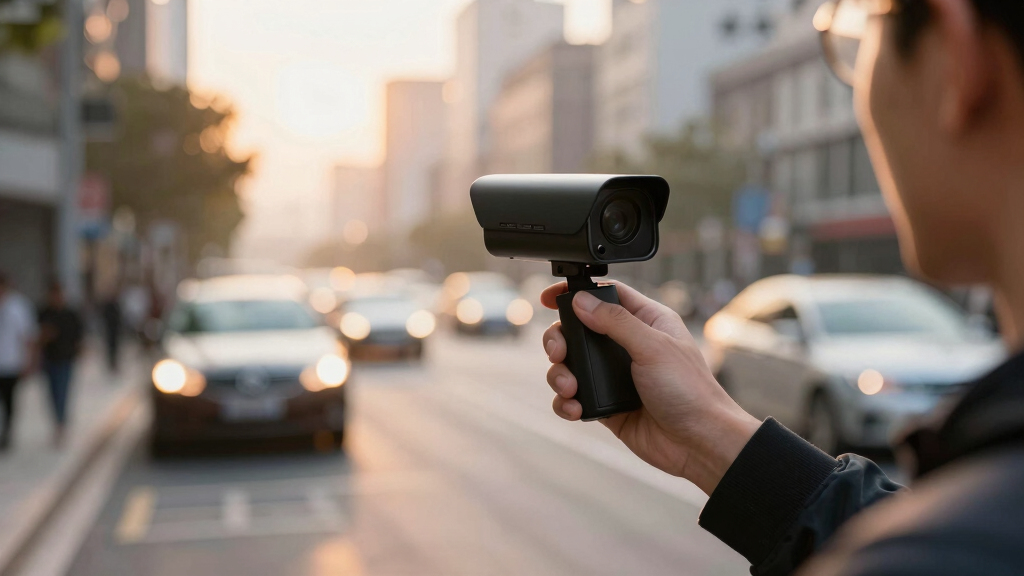
Flock Security’s AI cameras are increasingly used to monitor not only license plates but also individuals and objects. The rapid spread of these cameras raises privacy and security concerns, with ongoing questions about their misuse and vulnerabilities.
Flock Security’s AI surveillance cameras now do more than read license plates; they can track individuals and objects across various locations. This expansion, coupled with rapid deployment across the U.S., raises significant privacy and security concerns, according to experts and advocacy groups.
Flock cameras, initially known for automated license plate recognition (ALPR), now feature AI capabilities that allow for detailed searches of people and objects, such as clothing or vehicle features. These cameras are installed in over 100,000 locations nationwide, with many operated by local governments, businesses, and neighborhoods.
While Flock claims its systems are secure, independent cybersecurity researchers have identified multiple vulnerabilities, including exposed cameras accessible via search engines without passwords. These flaws potentially allow unauthorized access to live footage, including sensitive scenes involving children or private moments.
Law enforcement agencies use Flock’s network for crime-solving, including cases like a murder and vehicle thefts. However, the system’s broad tracking abilities raise privacy concerns, especially as data sharing with federal agencies like ICE is documented, sometimes without clear oversight.
Implications of Widespread AI Surveillance Expansion
The expansion of Flock’s AI cameras beyond license plates to track individuals and objects significantly impacts privacy rights and civil liberties. The widespread deployment and data sharing practices could lead to increased surveillance of innocent citizens, raising concerns about misuse, abuse, and security vulnerabilities that could be exploited by malicious actors.
As an affiliate, we earn on qualifying purchases.
Rise of AI Surveillance and Flock’s Market Growth
Flock Security, founded in 2014, has become a dominant player in the ALPR market, with over 100,000 cameras installed across the U.S. Many law enforcement agencies and private entities rely on Flock for real-time tracking and search capabilities. The company has also expanded its product line to include AI-powered security cameras and drones, further broadening surveillance capabilities.
Critics and advocacy groups have raised alarms over privacy violations, misuse by law enforcement, and security flaws. Several independent researchers have exposed vulnerabilities, including unsecured cameras accessible via search engines, which can reveal private scenes without authorization.
“The expansion of surveillance capabilities to track individuals beyond license plates fundamentally shifts the balance between public safety and personal privacy.”
— John G. Gage, privacy advocate
As an affiliate, we earn on qualifying purchases.
Unclear Scope of Data Sharing and Future Regulations
While evidence shows Flock shares data with federal agencies like ICE, the full extent of this sharing and the oversight mechanisms remain unclear. It is also uncertain how widespread misuse or abuse of the system is at this stage, and what measures will be implemented to address vulnerabilities and privacy concerns.
AI surveillance camera with person tracking
As an affiliate, we earn on qualifying purchases.
As an affiliate, we earn on qualifying purchases.
Next Steps in Surveillance Policy and Security Improvements
Expect ongoing investigations into security vulnerabilities and calls for stricter regulations governing AI surveillance. Policymakers and privacy advocates may push for increased transparency, oversight, and limitations on data sharing to protect civil liberties. Flock and other companies could face increased scrutiny and potential regulatory changes in the near future.
security camera with object detection
As an affiliate, we earn on qualifying purchases.
As an affiliate, we earn on qualifying purchases.
Key Questions
What capabilities do Flock’s AI cameras have beyond license plate recognition?
Flock’s AI cameras can search for and track individuals and objects based on descriptions like clothing, vehicle features, or other identifiable traits, enabling broader surveillance than traditional license plate readers.
Are Flock cameras secure against hacking?
Independent researchers have identified multiple security flaws, including cameras accessible via search engines without passwords, which pose risks of unauthorized access and privacy violations.
How widespread is the use of Flock cameras across the U.S.?
There are over 100,000 Flock cameras installed nationwide, operated by local governments, businesses, and neighborhoods, with some connected to federal data sharing programs.
The system’s ability to track individuals and objects raises concerns about mass surveillance, potential misuse by law enforcement, and the lack of clear oversight or regulation.
What is the future outlook for AI surveillance like Flock’s?
Expect increased scrutiny, potential regulatory measures, and calls for greater transparency as security vulnerabilities and privacy issues come to light.
Source: Engadget
Columbus Day / Indigenous Peoples' Day Picks
long weekend sales
As an affiliate, we earn on qualifying purchases.