
TL;DR
Listen free for 30 days with Audible
Thousands of audiobooks and originals — cancel anytime.
Start your free trialAs an affiliate, we earn on qualifying purchases.
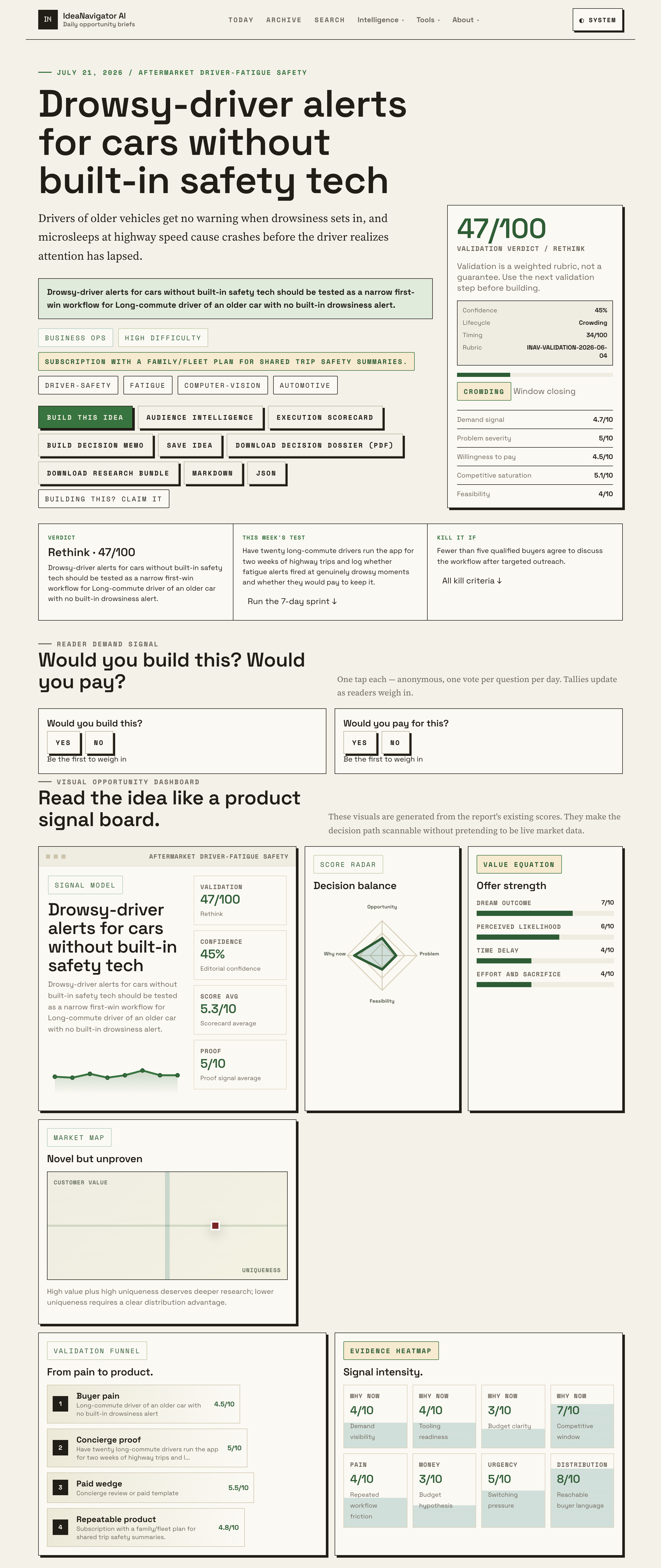
A new aftermarket system using smartphone technology can detect driver fatigue by monitoring eye and head movements. It aims to provide safety alerts for drivers of older vehicles lacking built-in safety features. The initiative is currently being tested with volunteers and could reshape long-distance driver safety.
A new aftermarket system using smartphone technology is being developed to detect driver fatigue in vehicles without built-in safety features. This system, aimed at long-distance drivers of older cars, employs face-landmark recognition to monitor eye closure and head nodding, triggering alerts when signs of drowsiness are detected. The initiative addresses a critical safety gap and could lead to widespread adoption if successful.
The system involves a dashboard-mounted phone app that uses on-device face-landmark models to estimate eye-closure and head movements. When signs of drowsiness are identified, the app sounds an escalating alert and prompts the driver to take a break. This approach offers a cost-effective solution for older vehicles that lack integrated driver-assistance systems. The project is currently in a testing phase, with twenty long-commute drivers using the app over two weeks to evaluate its accuracy and usefulness.
According to an anonymous researcher involved in the project, the goal is to validate whether the alerts are triggered at genuinely drowsy moments and if drivers would pay for ongoing access. The system’s revenue model includes subscriptions with family or fleet plans to provide shared safety summaries, potentially creating a new aftermarket market for driver fatigue management.
Potential Impact on Road Safety for Older Vehicles
This development could significantly reduce crashes caused by driver microsleeps, especially among drivers of older vehicles that lack modern safety tech. By providing a low-cost, accessible warning system, it offers a practical safety enhancement for a large segment of drivers. If proven effective, widespread adoption could lead to fewer highway accidents and save lives, addressing a persistent safety gap in the automotive landscape.
driver fatigue alert app for older cars
As an affiliate, we earn on qualifying purchases.
As an affiliate, we earn on qualifying purchases.
Growing Need for Aftermarket Driver Fatigue Solutions
Many older vehicles do not include built-in driver-assistance features such as drowsiness detection, leaving long-distance drivers vulnerable to microsleeps. Recent advances in smartphone technology and face-landmark recognition models have made it possible to develop cost-effective, portable safety solutions. The concept aligns with broader efforts to improve road safety through aftermarket devices, especially as vehicle manufacturers focus on integrated systems in newer models.
This initiative builds on prior research indicating that eye-closure and head-nod patterns are reliable indicators of drowsiness, and it aims to validate these signals in real-world highway conditions. Testing with volunteers will help determine the system’s accuracy and user acceptance before potential commercialization.
“This system could fill a critical safety gap for drivers of older cars, providing alerts that could prevent microsleeps and crashes.”
— an anonymous researcher
smartphone drowsiness detection system
As an affiliate, we earn on qualifying purchases.
As an affiliate, we earn on qualifying purchases.
Uncertainties About Effectiveness and Adoption
It is not yet clear how accurately the app can detect genuine drowsiness in diverse driving conditions or how drivers will respond to alerts. The pilot testing phase will provide data on alert timing and user acceptance, but broader effectiveness remains to be proven. Additionally, questions remain about the long-term willingness of drivers to subscribe and how regulatory standards might influence aftermarket safety devices.
As an affiliate, we earn on qualifying purchases.
Next Steps: Pilot Testing and Market Validation
The project will continue with the current pilot involving twenty drivers, focusing on collecting data on alert accuracy and driver feedback. Success could lead to larger-scale trials and potential commercialization. Developers aim to refine the app’s detection algorithms and expand the user base, with plans to explore integration with other aftermarket safety solutions in the future.
car safety alert system aftermarket
As an affiliate, we earn on qualifying purchases.
As an affiliate, we earn on qualifying purchases.
Key Questions
How does the system detect driver fatigue?
The app uses the smartphone’s camera and face-landmark models to monitor eye-closure and head-nod patterns, which are indicators of drowsiness.
Is this system compatible with all vehicles?
Yes, it is designed as an aftermarket solution that can be mounted in any vehicle without built-in safety tech, primarily targeting older cars.
Will drivers need to pay for the service?
The developers plan a subscription model, including family and fleet plans, to cover ongoing safety monitoring and alert features.
When will the system be available commercially?
It is still in testing; if successful, wider commercial availability could occur within the next year or two, depending on pilot results and regulatory approval.
What are the limitations of this technology?
Current limitations include potential inaccuracies in diverse lighting conditions and driver acceptance of alerts; these will be addressed during ongoing testing.
Source: IdeaNavigator AI
Fall Picks
fall essentials
As an affiliate, we earn on qualifying purchases.