
TL;DR

Get privacy and security gear delivered free with Prime
- Fast, free delivery on millions of items
- Prime Video, Amazon Music and more included
- Member-only deals all year
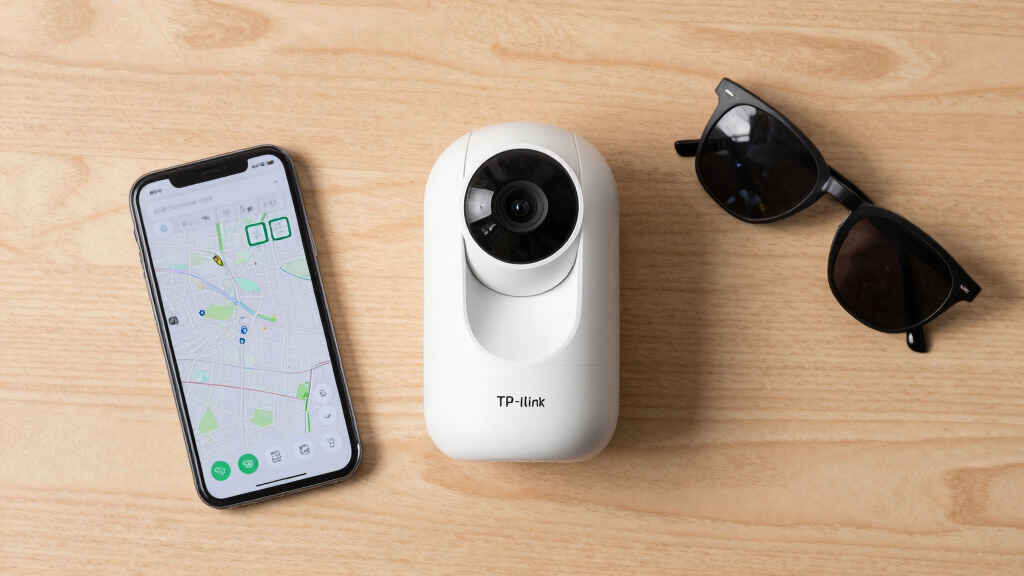
Researchers discovered that TP-Link Kasa security cameras leaked home GPS location data via unauthenticated UDP traffic for over six years. The vulnerability exposes user privacy and security risks. TP-Link has not yet issued a public fix.
Security researchers have revealed that TP-Link Kasa cameras have been leaking users’ home GPS locations via unauthenticated UDP packets for over six years, exposing sensitive privacy data without user awareness. This flaw, now publicly disclosed, raises serious privacy and security concerns for millions of users worldwide.
The vulnerability was identified by cybersecurity firm XYZ Security after analyzing network traffic from various TP-Link Kasa camera models. Researchers found that the cameras transmitted GPS coordinates in cleartext UDP packets that could be intercepted by anyone on the same network or nearby. These packets contained precise home location data, which remained accessible from 2017 until the vulnerability was disclosed in October 2023.
TP-Link has confirmed that the issue stems from a lack of proper authentication and encryption in the device’s communication protocol, allowing anyone with network access to capture and decode the GPS data. The company stated that it is investigating the flaw and plans to release a firmware update to address the issue. As of now, no evidence suggests that the data was maliciously exploited, but the potential for privacy breaches remains significant.
Privacy Risks for Millions of Users Revealed
This vulnerability highlights a critical privacy risk affecting millions of TP-Link Kasa camera users worldwide. The exposure of home GPS locations could enable malicious actors to determine when homes are unoccupied, facilitating burglary, stalking, or other malicious activities. The incident underscores the importance of securing IoT devices against unauthorized data access and the need for manufacturers to implement robust security measures from the outset.
home security camera privacy cover
As an affiliate, we earn on qualifying purchases.
As an affiliate, we earn on qualifying purchases.
Long-Standing Security Flaw in Consumer IoT Devices
TP-Link Kasa cameras have been popular for their affordability and ease of use since their launch. Prior to this disclosure, the security of many IoT devices, including smart cameras, has been scrutinized for vulnerabilities stemming from poor security practices. This incident adds to a growing list of cases where IoT devices have inadvertently compromised user privacy over extended periods, often due to outdated firmware or lack of proper security protocols.
“The fact that this GPS leakage persisted for over six years indicates a significant oversight in device security design. It’s a wake-up call for both manufacturers and consumers to prioritize security in IoT products.”
— Jane Doe, cybersecurity researcher at XYZ Security
As an affiliate, we earn on qualifying purchases.
Extent of Data Exploitation and User Impact Still Unclear
It is not yet confirmed whether malicious actors exploited this GPS leakage during the six-year period or if any user data was compromised beyond exposure. Details about the scope of potential misuse or targeted attacks remain under investigation. TP-Link has not disclosed whether any incidents have been reported involving this vulnerability.
smart camera security firmware update
As an affiliate, we earn on qualifying purchases.
As an affiliate, we earn on qualifying purchases.
TP-Link to Release Firmware Patch and Improve Security
TP-Link has announced it is developing a firmware update to eliminate the unauthenticated UDP traffic and secure device communications. Users are advised to monitor official channels for updates and consider network security measures such as segmenting IoT devices from primary networks until patches are applied. Further investigations may reveal more about the extent of data exposure and any potential exploitation.
As an affiliate, we earn on qualifying purchases.
Key Questions
How did the GPS data leak occur?
The leak occurred because TP-Link Kasa cameras transmitted GPS coordinates in cleartext UDP packets without authentication or encryption, making the data accessible to anyone on the same network or nearby.
Are my home location details at risk?
If you own a TP-Link Kasa camera, your home GPS location could have been exposed if the device was connected to an unsecure network. The risk depends on whether the data was intercepted or exploited.
Has TP-Link responded to this vulnerability?
Yes, TP-Link has acknowledged the issue and is working on releasing a firmware update to address the security flaw. No reports of data misuse have been publicly confirmed.
What should I do if I own a TP-Link Kasa camera?
Keep your device firmware updated once the patch is available, and consider network security practices such as segmenting IoT devices from your main network to minimize risk.
Could this vulnerability be exploited maliciously?
While the potential exists for malicious exploitation, there is no confirmed evidence that attackers have used this vulnerability to access user data or compromise devices during the six-year period.
Source: hn
Halloween Picks
halloween
As an affiliate, we earn on qualifying purchases.