📊 Full opportunity report: Achieve Faster Helpdesk Migrations Using Workflow Cloner on IdeaNavigator AI — validation score, market gap, and execution plan.
TL;DR
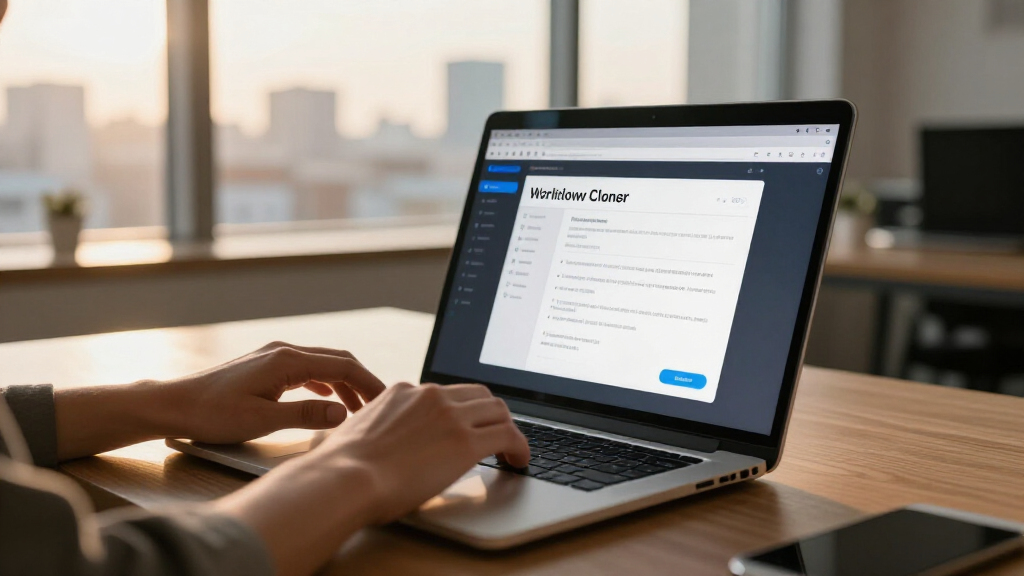
A new workflow cloner tool is being tested to streamline helpdesk platform migrations by automatically translating workflow configurations. This innovation aims to significantly cut down manual rebuilding efforts, easing transitions for support teams.
A new workflow cloning tool for helpdesk platform migrations is being tested to automatically export, translate, and apply support automation configurations between systems like Zendesk, Intercom, and Freshdesk. This development aims to reduce the months-long manual effort support operations teams face when switching platforms, a process traditionally hampered by complex workflows and automations.
The tool, developed by an initiative within the support operations community, connects to the source helpdesk platform, extracts all macros, routing rules, SLAs, and automations, and then translates these into the target platform’s equivalent configurations via API calls. An exceptions report highlights logic that requires human review, ensuring accuracy and reducing errors. The process is designed for initial use cases involving support ops leads migrating between popular helpdesk systems, with plans to expand based on pilot results.
According to sources familiar with the project, the main challenge in helpdesk migrations is not ticket transfer but the re-creation of workflows, which can take months of manual effort. The new tool aims to cut this time significantly, with early tests showing potential to avoid hundreds of hours of manual rework. The tool is part of a broader move towards AI-assisted support platform management, leveraging large language models (LLMs) to interpret and translate workflow logic across different software paradigms.
The MVP (minimum viable product) involves connecting to the source helpdesk, exporting all workflow-related data, translating it, and then applying it to the target system through API integration. The project’s initial focus is on a narrow, high-impact use case: support ops teams migrating between platforms, with validation through five real migration tests. Success will be measured by hours of manual work saved and the quality of the translated workflows.
Potential Impact on Helpdesk Migration Efficiency
This development could significantly reduce the time and labor costs associated with migrating support platforms, which has historically been a major barrier for companies considering switching providers. By automating the translation of complex workflows, macros, and automations, the tool could enable smoother transitions, minimize operational disruptions, and accelerate adoption of newer, AI-native support systems. For support operations leaders, this means less downtime, fewer errors, and lower migration costs, making platform switching more feasible and attractive.
Furthermore, the integration of AI and LLMs in translating workflow logic marks a shift in how support technology evolves, moving from manual rebuilds to automated, intelligent conversions. This could influence the broader market of customer support tools, encouraging vendors and users to adopt more flexible, interoperable systems that facilitate easier migrations and upgrades.
helpdesk workflow automation tools
As an affiliate, we earn on qualifying purchases.
As an affiliate, we earn on qualifying purchases.
Helpdesk Migration Challenges and Market Drivers
Traditionally, migrating between helpdesk platforms involves not only transferring tickets but also recreating complex workflows, automations, and routing rules. These configurations often represent years of support team customization, making manual re-implementation time-consuming and error-prone. Companies like Zendesk, Intercom, and Freshdesk have different paradigms for automations, which complicates direct translation.
In recent years, support operations have faced increasing pressure to modernize, driven by the rise of AI-native support platforms that promise more intelligent automation and better customer experiences. As more organizations seek to migrate to these platforms, the need for efficient, reliable migration tools has grown. Currently, most existing solutions focus on ticket transfer, leaving workflow re-creation as a manual, costly process. The new workflow cloner aims to address this gap, leveraging advances in AI to interpret and convert configurations across different systems.
Early pilots are testing the feasibility of this approach, with the hope that success will lead to wider adoption and integration into existing migration workflows. The project aligns with broader trends toward automation and AI-driven support infrastructure, which are transforming how companies manage customer service operations.
helpdesk platform migration software
As an affiliate, we earn on qualifying purchases.
As an affiliate, we earn on qualifying purchases.
Unanswered Questions About Workflow Cloner Effectiveness
It is not yet clear how accurately the tool can translate complex workflows with custom logic, or how well it handles platform-specific nuances. The initial pilots are limited in scope, and broader testing will be necessary to confirm reliability and scalability. Additionally, the extent to which human review will be needed remains to be determined, as well as the potential for edge cases that could challenge the translation algorithms.
Further, it is unclear how quickly support teams will adopt the tool and integrate it into their migration workflows, or how vendors will respond to the technology’s capabilities and limitations. Long-term, questions remain about the tool’s ability to keep pace with evolving platform features and automation paradigms.
As an affiliate, we earn on qualifying purchases.
Next Steps in Validation and Market Adoption
The project team plans to complete five pilot migrations using the workflow cloner, measuring hours saved and workflow accuracy. Positive results could lead to broader deployment within support operations and initial discussions with helpdesk platform vendors for integration or co-development. Feedback from these pilots will inform improvements, including handling of more complex workflows and exception cases.
Additionally, the team aims to pitch the tool as a value-added feature for AI-native support platform vendors, positioning it as a switching incentive to attract new customers. Success in early pilots could accelerate market adoption, especially if vendors see the tool as a way to lower switching barriers and increase customer retention.
Further development may include expanding the tool’s capabilities to support multiple languages, more platforms, and deeper automation logic, making it a versatile solution for the evolving support landscape.
As an affiliate, we earn on qualifying purchases.
Key Questions
How does the workflow cloner actually translate automations between platforms?
The tool exports all macros, triggers, SLAs, and routing rules from the source platform, then uses AI and predefined mappings to generate equivalent configurations for the target platform. It highlights any logic that cannot be automatically translated for manual review.
Will this tool eliminate the need for manual re-creation of workflows entirely?
While the goal is to automate most translations, some complex or platform-specific logic may still require human review and adjustment. Early testing aims to determine the extent of automation achievable.
Which helpdesk platforms are supported initially?
The initial focus is on popular platforms like Zendesk, Intercom, and Freshdesk, with plans to expand support based on pilot outcomes and demand.
How much will this workflow cloning service cost support teams?
The project plans to charge a per-migration fee, with potential partnerships with platform vendors to subsidize or bundle the service as part of migration packages.
When can support teams expect to start using this tool in real migrations?
Initial pilots are underway, with wider availability anticipated after successful validation and refinement, likely within the next six to twelve months.
Source: IdeaNavigator AI