

The best personal privacy digital tools reduce real exposure without demanding expert knowledge or constant attention. I rank Private Browser & Password Manager Software Portable as the best overall pick because it combines two active protections that fit into everyday browsing. The 15-Minute Privacy Audit is the stronger starting point for beginners, while the Eikon Digital Privacy Manager suits buyers who want fingerprint-based access control. The main choice is between software that changes daily behavior, hardware that strengthens one security layer, and guides that teach broader habits but require manual follow-through. Keep reading for the full breakdown of where each option fits and which limitations could change the buying decision.
Prime for Young Adults — start your free trial
Fast free delivery, streaming and member deals for eligible 18–24 year olds.
Try it freeAs an affiliate, we earn on qualifying purchases.
Key Takeaways
- Private Browser & Password Manager Software Portable ranks first because it addresses both browsing and credential management, giving it broader daily utility than the single-purpose hardware or educational guides.
- The 15-Minute Privacy Audit offers the clearest beginner pathway, while The Basics of Digital Privacy is the better value choice for buyers who want a broader foundation.
- Eikon Digital Privacy Manager is the lineup’s only dedicated hardware option, but fingerprint login protects device access rather than hiding browsing activity or limiting data collection.
- Digital Privacy in the Age of AI is the strongest specialist guide for identity, relationship, and data risks linked to connected services; the AI prompt guide is less aligned with privacy protection.
- The comparison revealed a clear split: software and hardware change daily workflows, while the books depend on readers converting advice into settings, account changes, and lasting habits.
| Private Browser & Password Manager Software Portable |  | Best All-in-One Privacy Device | Storage capacity: 1 TB | Hardware interface: USB 3.0 | Operating-system compatibility: Windows 7, 8, 10, and 11 | VIEW LATEST PRICE | See Our Full Breakdown |
| Protecting Your Personal Data Online: Learn How to Secure Your Digital Life with Practical Tips and Tools |  | Best Practical Starter Guide | Product type: Educational guide | Primary subject: Online personal-data protection | Intended skill level: Beginner | VIEW LATEST PRICE | See Our Full Breakdown |
| Fortress Shield – 2026 Essential Digital Defense for Regular People | 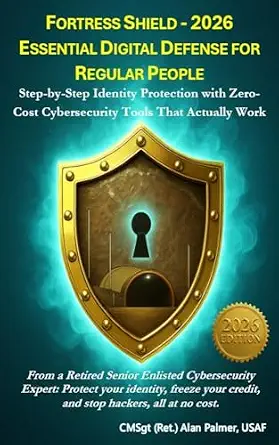 | Best Zero-Cost Action Plan | Product type: Cybersecurity guide | Primary subject: Identity protection and digital defense | Intended audience: Regular, nontechnical users | VIEW LATEST PRICE | See Our Full Breakdown |
| The Basics of Digital Privacy: Simple Tools to Protect Your Personal Information and Your Identity Online |  | Best Privacy Fundamentals | Product type: Introductory book | Primary subject: Digital privacy basics | Protection focus: Personal information and online identity | VIEW LATEST PRICE | See Our Full Breakdown |
| How to Chat With AI to Get Better Results: A Human-in-Charge AI Prompt Guide for Beginners |  | Best for Private AI Use | Product type: AI prompting guide | Intended skill level: Beginner | Primary subject: Improving AI chat results | VIEW LATEST PRICE | See Our Full Breakdown |
| Cybersecurity for Beginners Made Easy |  | Best Cybersecurity Primer | Product type: Cybersecurity guidebook | Primary audience: Beginners | Primary focus: Protecting an online presence | VIEW LATEST PRICE | See Our Full Breakdown |
| Digital Privacy in the Age of AI: How to Protect Your Identity, Personal Data, and Relationships in a Hyper-Connected World |  | Best for AI-Era Privacy | Product type: Digital privacy guidebook | Primary audience: Readers concerned about personal-data security | Primary focus: Privacy in an AI-driven, hyper-connected environment | VIEW LATEST PRICE | See Our Full Breakdown |
| Eikon Digital Privacy Manager – USB Fingerprint Reader |  | Best Hardware Authentication Tool | Product type: USB fingerprint reader | Authentication factor: Fingerprint biometrics | Sensor style: Swipe sensor | VIEW LATEST PRICE | See Our Full Breakdown |
| The 15-Minute Privacy Audit: A Non-Technical Guide to Digital Self-Defense in 2026 | 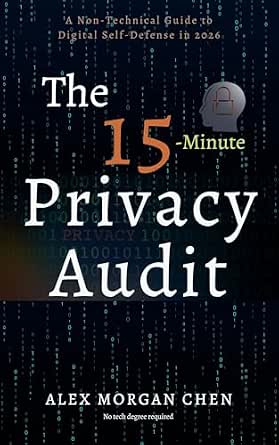 | Best Quick Privacy Checkup | Product type: Digital privacy audit guidebook | Stated audit time: 15 minutes | Primary audience: Non-technical users | VIEW LATEST PRICE | See Our Full Breakdown |
| Digital Security Reset Guide: Clarity Tools for a Safer Digital Life |  | Best for a Broad Security Reset | Product type: Digital security guidebook | Primary focus: Creating a safer digital life | Approach: Clarity tools and practical strategies | VIEW LATEST PRICE | See Our Full Breakdown |
| personal privacy digital tool | Product type | Technical depth |
|---|---|---|
| Private Browser & Password Man | — | — |
| Protecting Your Personal Data | Educational guide | Introductory; detailed instructions not provided |
| Fortress Shield | Cybersecurity guide | Beginner-oriented |
| The Basics of Digital Privacy: | Introductory book | Foundational |
| How to Chat With AI to Get Bet | AI prompting guide | — |
| Cybersecurity for Beginners Ma | Cybersecurity guidebook | Introductory |
| Digital Privacy in the Age of | Digital privacy guidebook | Non-specialist |
| Eikon Digital Privacy Manager | USB fingerprint reader | — |
| The 15-Minute Privacy Audit: A | Digital privacy audit guidebook | — |
| Digital Security Reset Guide: | Digital security guidebook | General guidance |
More Details on Our Top Picks
Private Browser & Password Manager Software Portable
I rank Private Browser & Password Manager Software Portable highest for buyers who want privacy functions and local storage in one physical package. Its 1 TB capacity, encrypted storage, private browser, and password manager make it more immediately useful than a reading-based option such as The Basics of Digital Privacy. USB 3.0 and plug-and-play operation also suit people who move between compatible Windows computers. The tradeoff is narrower flexibility: it excludes macOS, Linux, and mobile-first workflows, while losing the drive could cut off access to stored files and credentials. The listing also leaves support, software updates, and recovery procedures unclear. I would choose it for portable Windows privacy, but I would still keep an independent encrypted backup and avoid treating one USB device as the sole copy of irreplaceable data.
Pros:- Combines private browsing, password management, and file storage
- Large 1 TB capacity accommodates substantial personal data
- USB 3.0 supports convenient portable access
- Compatible with several generations of Windows
Cons:- Does not support macOS or Linux
- Physical loss could leave the owner without access to stored data and credentials
- Update, support, and account-recovery policies are unspecified
Best for: Windows users who want a portable private browser, credential manager, and high-capacity encrypted storage on one USB device
Not ideal for: Mac, Linux, and mobile-first users, or anyone unwilling to manage the loss and backup risks of a physical security device
- Storage capacity:1 TB
- Hardware interface:USB 3.0
- Operating-system compatibility:Windows 7, 8, 10, and 11
- Browser capability:Private and anonymous browsing
- Credential capability:Built-in password manager
- Data protection:Encrypted storage
- Setup:Plug-and-play
- Backup capability:Photo backups from phones and computers
Our verdict“This is my leading device pick for Windows users who value portability and consolidation enough to manage physical backup and loss risks.”
Protecting Your Personal Data Online: Learn How to Secure Your Digital Life with Practical Tips and Tools
Protecting Your Personal Data Online earns my practical starter role because it focuses on usable tips and privacy tools without assuming technical knowledge. Compared with The Basics of Digital Privacy, this guide places more emphasis on strategies readers can apply to their digital routines; compared with Fortress Shield, it appears less centered on a structured identity-defense plan or zero-cost resources. That middle ground suits readers who want an approachable orientation before changing passwords, account habits, and data-sharing choices. Its weakness is depth: the description promises tools but does not identify particular services, platforms, or detailed configurations. Advanced readers may finish without gaining much beyond familiar privacy hygiene. I would treat it as a starting framework rather than a complete security program, especially for threats that call for technical setup or device-specific instructions.
Pros:- Presents personal-data security in accessible language
- Connects privacy guidance with practical actions
- Covers both protective strategies and useful tool categories
- Suitable for readers beginning a broader digital-safety effort
Cons:- Does not provide detailed technical procedures
- No particular software or services are identified
- May repeat familiar material for experienced privacy users
Best for: Nontechnical adults who want approachable privacy habits and a broad starting framework for protecting personal data online
Not ideal for: Experienced users seeking named software, platform-specific configuration steps, or advanced threat protection
- Product type:Educational guide
- Primary subject:Online personal-data protection
- Intended skill level:Beginner
- Guidance style:Practical tips and strategies
- Tool coverage:General privacy tools
- Technical depth:Introductory; detailed instructions not provided
Our verdict“I recommend this as an approachable first guide for readers who want practical direction without a highly technical curriculum.”
Fortress Shield – 2026 Essential Digital Defense for Regular People
I place Fortress Shield ahead of the other books for budget-minded readers because its stated focus is a step-by-step defense plan using zero-cost tools. The Basics of Digital Privacy is the gentler introduction, while Protecting Your Personal Data Online offers broader tips without the same explicit identity-protection structure. Fortress Shield makes more sense when a reader wants tasks to follow and cannot justify paid privacy subscriptions. Its everyday language also lowers the barrier for households addressing account security for the first time. The limits are meaningful: no named tools, edition details, or advanced procedures appear in the supplied information, so buyers cannot judge how thoroughly it covers device hardening or complex threats. Cybersecurity professionals will find the scope light. My ranking reflects its action-oriented, cost-conscious role, not greater technical sophistication.
Pros:- Uses a step-by-step structure aimed at regular users
- Focuses on zero-cost security tools
- Links cybersecurity guidance directly to identity protection
- Accessible to readers without a technical background
Cons:- Named tools and their coverage are not specified
- Technical depth is limited for advanced readers
- Edition and feature details are not supplied
Best for: Budget-conscious individuals and households that want a step-by-step identity-protection plan built around free tools
Not ideal for: Cybersecurity professionals or higher-risk users who require advanced controls, technical detail, and clearly identified software
- Product type:Cybersecurity guide
- Primary subject:Identity protection and digital defense
- Intended audience:Regular, nontechnical users
- Instruction format:Step-by-step guidance
- Tool cost focus:Zero-cost tools
- Year reference:2026
- Technical depth:Beginner-oriented
Our verdict“This is my pick for beginners who want an action plan built around free defenses rather than paid privacy products.”
The Basics of Digital Privacy: Simple Tools to Protect Your Personal Information and Your Identity Online
The Basics of Digital Privacy is my fundamentals pick for readers who need concepts explained before they start choosing tools. Its simple language and identity-focused privacy advice make it less intimidating than Fortress Shield, which is better suited to readers ready for a step-by-step defense plan. Protecting Your Personal Data Online also casts a wider net around data security strategies, while this book has the clearer introductory role. That clarity comes at the expense of specificity: it is a book rather than an active protection product, and the supplied details do not promise named services, configuration walkthroughs, or advanced threat coverage. Readers facing stalking, targeted attacks, or workplace security requirements will need stronger material. I would select it for building a basic privacy vocabulary and safer everyday habits, then pair it with a current, platform-specific guide.
Pros:- Explains digital privacy concepts in beginner-friendly language
- Connects personal-information protection with identity safety
- Offers simple strategies that are easier to adopt
- Provides a foundation for evaluating later privacy choices
Cons:- Does not provide active software protection
- Lacks advanced technical guidance
- Named products and configuration details are not supplied
Best for: First-time privacy learners who need plain explanations of personal-information and online-identity protection
Not ideal for: Technically experienced readers or people facing targeted threats who need detailed, platform-specific defensive procedures
- Product type:Introductory book
- Primary subject:Digital privacy basics
- Protection focus:Personal information and online identity
- Intended skill level:Beginner
- Guidance style:Simple explanations and practical advice
- Tool coverage:Simple privacy tools
- Technical depth:Foundational
Our verdict“I would choose this for learning the vocabulary and habits of digital privacy before moving to more technical resources.”
How to Chat With AI to Get Better Results: A Human-in-Charge AI Prompt Guide for Beginners
I include How to Chat With AI to Get Better Results for one narrow but timely job: helping beginners share less sensitive information while prompting AI systems effectively. Unlike The Basics of Digital Privacy, which covers broader identity and data habits, this guide concentrates on AI conversations, weak-answer correction, privacy, and time savings. That makes it the better companion for someone using chat assistants at work or home, but a poor substitute for password, browser, device, or network protection. Its human-in-charge framing may help readers review outputs and retain control over what they disclose. Still, advanced prompt writers are unlikely to find enough depth, and the supplied data does not identify supported AI platforms or detailed privacy techniques. I rank it as a specialist option because its privacy value is focused rather than broad.
Pros:- Connects prompting practices with privacy protection
- Teaches beginners how to improve weak AI responses
- Promotes human oversight of AI interactions
- Targets both safer disclosure and time savings
Cons:- Covers only one part of personal digital privacy
- May offer limited value to experienced AI users
- Supported AI platforms and detailed techniques are unspecified
Best for: New AI-chat users who want better prompts while reducing accidental disclosure of personal or work information
Not ideal for: Advanced prompt writers or buyers seeking broad protection for passwords, browsers, devices, identities, and networks
- Product type:AI prompting guide
- Intended skill level:Beginner
- Primary subject:Improving AI chat results
- Privacy coverage:Protecting information during AI interactions
- Control approach:Human-in-charge prompting
- Response guidance:Methods for correcting weak answers
- Efficiency focus:Time-saving AI communication
Our verdict“I recommend this to AI beginners who need privacy-aware prompting guidance, provided they use a broader resource for the rest of their digital life.”
Cybersecurity for Beginners Made Easy
I rank Cybersecurity for Beginners Made Easy as the strongest primer here because it pairs plain-language explanations with practical examples that show how common online risks affect everyday users. It covers a wider cybersecurity foundation than The 15-Minute Privacy Audit, which favors a faster checklist, making this book better for readers who want to understand the reasoning behind protective habits. That added breadth also creates its main limitation: the guidance remains introductory and does not supply detailed configurations or advanced defensive techniques. Compared with Digital Privacy in the Age of AI, it is less focused on identity, relationships, and AI-driven data collection. I recommend it as a starting point for building security awareness, followed by a more specialized privacy or technical guide.
Pros:- Explains cybersecurity concepts in beginner-friendly language
- Connects common threats with practical protective actions
- Uses real-world examples to make abstract risks easier to recognize
- Covers a broad foundation of online safety topics
Cons:- Does not address advanced cybersecurity techniques
- Offers little detailed technical instruction
- Privacy receives less specialized treatment than broader online security
Best for: Cybersecurity newcomers who want clear explanations and practical examples before adopting specific privacy tools
Not ideal for: Experienced users seeking advanced threat analysis, command-level instructions, or detailed software configurations
- Product type:Cybersecurity guidebook
- Primary audience:Beginners
- Primary focus:Protecting an online presence
- Teaching style:Simple steps and practical advice
- Example format:Real-world scenarios
- Technical depth:Introductory
- Advanced instructions:Not included
Our verdict“This is my pick for readers who need a clear cybersecurity foundation before moving to specialized privacy tools.”
Digital Privacy in the Age of AI: How to Protect Your Identity, Personal Data, and Relationships in a Hyper-Connected World
I place Digital Privacy in the Age of AI ahead of the general guides for readers worried about how connected services affect identity, personal data, and relationships. Its AI-era privacy focus is more targeted than the broad online-safety coverage in Cybersecurity for Beginners Made Easy, so buyers receive advice framed around present-day data collection rather than a standard security primer. It also reaches beyond device protection by treating social and relationship exposure as part of personal privacy. The tradeoff is limited technical depth: readers are given practical strategies, but not detailed software settings, network instructions, or tool-specific walkthroughs. Publication and edition details are also absent from the supplied data, which makes the material’s update history harder to judge. I see it as a strong awareness and strategy guide, not an implementation manual.
Pros:- Addresses privacy challenges linked to AI and pervasive connectivity
- Connects identity, personal data, and relationships within one privacy framework
- Provides practical strategies for reducing digital exposure
- Offers a more focused privacy lens than general cybersecurity primers
Cons:- Lacks detailed technical solutions and configuration guidance
- Does not provide specific edition or publication information
- May leave readers needing a separate tool-focused implementation guide
Best for: Privacy-conscious adults concerned about AI services, identity exposure, personal-data collection, and relationship boundaries online
Not ideal for: Technical readers who need configuration steps, named software recommendations, or verifiable edition history
- Product type:Digital privacy guidebook
- Primary audience:Readers concerned about personal-data security
- Primary focus:Privacy in an AI-driven, hyper-connected environment
- Coverage:Identity, personal data, and relationships
- Guidance style:Practical privacy strategies
- Technical depth:Non-specialist
- Edition information:Not provided
Our verdict“I recommend this to readers seeking an AI-focused privacy strategy who do not need step-by-step technical configurations.”
Eikon Digital Privacy Manager – USB Fingerprint Reader
I selected the Eikon Digital Privacy Manager because it is the only dedicated hardware authentication option in this group. Its on-device biometric processing keeps fingerprint handling within the reader, while the swipe sensor provides a stronger identity check than relying on a memorized password alone. Compared with Private Browser & Password Manager Software Portable, Eikon tackles account access rather than browsing privacy or credential organization; the two serve different layers of a privacy setup. The affordable positioning adds appeal for buyers who already have compatible software. Compatibility is also the biggest uncertainty, since supported operating systems, applications, interfaces, and enrollment requirements are not identified in the supplied data. I would treat this as a specialized authentication component, not a complete privacy package, because it does not address tracking, encrypted storage, or safer browsing.
Pros:- Processes biometric data within the device
- Adds fingerprint authentication without relying solely on passwords
- Swipe sensor supports a deliberate identity check
- Positioned as a cost-effective hardware option
Cons:- Operating-system and application compatibility are unspecified
- Detailed hardware and security specifications are unavailable
- Addresses authentication only, leaving other privacy risks untouched
Best for: Budget-focused users who already have compatible systems and want fingerprint-based access control with on-device processing
Not ideal for: Buyers who cannot confirm software compatibility or who need an all-in-one browsing, password, and data-privacy solution
- Product type:USB fingerprint reader
- Authentication factor:Fingerprint biometrics
- Sensor style:Swipe sensor
- Connection:USB
- Biometric processing:Performed within the device
- Market position:Cost-effective authentication solution
- Compatibility details:Not provided
Our verdict“I would choose Eikon only when compatibility is confirmed and hardware-based fingerprint authentication is the missing piece in an existing privacy setup.”
The 15-Minute Privacy Audit: A Non-Technical Guide to Digital Self-Defense in 2026
I chose The 15-Minute Privacy Audit for readers more likely to complete a short checkup than work through a broad security course. Its non-technical, time-boxed approach turns privacy into a manageable review of personal data, devices, and everyday digital habits. Compared with Cybersecurity for Beginners Made Easy, this guide favors immediate action over conceptual background; compared with Digital Security Reset Guide, it offers a clearer time commitment and a more explicit privacy focus. That speed limits how far it can go. The supplied description does not identify specific apps or software, and readers will not receive detailed technical instructions for stronger configurations. Its 2026 framing makes the topic feel current, but date-specific positioning may also shorten its useful shelf life. I recommend it for momentum, not mastery.
Pros:- Sets a clear 15-minute scope that encourages completion
- Uses accessible guidance suited to non-technical readers
- Covers personal data, devices, and digital control
- Frames privacy advice around 2026 threats
Cons:- Provides no detailed technical instructions
- Offers limited information about specific tools or software
- Date-specific framing may age faster than principle-based guidance
Best for: Busy, non-technical users who want a short privacy checkup covering personal data and device safety
Not ideal for: Power users who want named tools, advanced configurations, or a long-term technical reference
- Product type:Digital privacy audit guidebook
- Stated audit time:15 minutes
- Primary audience:Non-technical users
- Primary focus:Digital self-defense
- Coverage:Personal data, devices, and digital control
- Time framing:2026
- Technical instructions:Not detailed
- Named software coverage:Limited
Our verdict“This is my choice for busy beginners who want a fast privacy checkup and accept limited technical depth.”
Digital Security Reset Guide: Clarity Tools for a Safer Digital Life
I include the Digital Security Reset Guide as a broad starting point for readers who want to reorganize their online-safety habits. Its emphasis on clarity tools and practical strategies makes it less narrowly focused than The 15-Minute Privacy Audit, which promises a defined checkup, and less educationally detailed than Cybersecurity for Beginners Made Easy. That flexibility may suit someone seeking general direction, but it also places this pick lower in my ranking: the supplied information does not identify specific tools, technical procedures, reader feedback, or ratings. Buyers cannot readily judge how actionable or established the guidance is before purchase. It may improve awareness and provide a framework for a safer digital life, yet readers who need direct privacy-tool recommendations or configuration instructions will require another resource. I view it as an orientation guide rather than a stand-alone defense plan.
Pros:- Frames digital security as a manageable reset
- Provides practical strategies for improving online safety
- Emphasizes clarity for readers who feel disorganized
- Can serve as an entry point before more specialized privacy resources
Cons:- Lacks detailed technical instructions
- Supplied data identifies no specific tools or software
- No user reviews or ratings are available for judging usefulness
Best for: Non-technical adults who want to reset scattered online-safety habits through broad, practical guidance
Not ideal for: Evidence-focused buyers who require reviews, named privacy software, or detailed security configurations before choosing a guide
- Product type:Digital security guidebook
- Primary focus:Creating a safer digital life
- Approach:Clarity tools and practical strategies
- Intended outcome:Improved online safety awareness
- Technical depth:General guidance
- Detailed instructions:Not included
- Named tools:Not specified
- User reviews and ratings:Not available
Our verdict“I would pick this for a broad digital-safety reset, but not for detailed privacy-tool selection or technical implementation.”

How We Picked
I ranked these products by direct privacy impact, ease of adoption, scope, ongoing usefulness, and fit with the search for personal privacy digital tools. Products that actively protect browsing, credentials, or account access received more weight than books centered mainly on general technology education. I also looked at whether each option gives buyers a clear first action and whether its purpose overlaps with another product in the lineup.
The order reflects both reach and limitations. A tool covering two common exposure points ranks above a narrow accessory, while a short audit guide earns a higher beginner position than a dense reference that may take longer to apply. I also reduced the standing of products with a weak connection to privacy, including the AI prompt guide, even if they may be useful for another goal. For software and hardware, I treated update support, recovery options, compatibility, and vendor trust as major buying checks because a privacy product can create fresh risk when those details are unclear.
| personal privacy digital tool | Technical depth |
|---|---|
| Private Browser & Password Man | — |
| Protecting Your Personal Data | Introductory; detailed instructions not provided |
| Fortress Shield | Beginner-oriented |
| The Basics of Digital Privacy: | Foundational |
| How to Chat With AI to Get Bet | — |
| Cybersecurity for Beginners Ma | Introductory |
| Digital Privacy in the Age of | Non-specialist |
| Eikon Digital Privacy Manager | — |
| The 15-Minute Privacy Audit: A | — |
| Digital Security Reset Guide: | General guidance |
Factors to Consider When Choosing Personal Privacy Digital Tools
I would choose a privacy product by identifying the exposure I want to reduce, then matching that need to the right format. A browser tool, password manager, fingerprint reader, and educational guide solve different problems, even when their marketing language sounds similar. The sections below explain how I separate meaningful protection from features that merely sound reassuring.
Start With a Personal Threat Model
I would begin by naming the data, accounts, or activities that need protection. Credential theft points toward a password manager, while tracking concerns call for stronger browser controls and careful account settings. A fingerprint reader may help when unauthorized physical access is the larger worry, but it does little against advertising profiles or phishing. Buyers who feel generally exposed may get more from a structured audit before purchasing another app. The common mistake is buying a product labeled private without connecting it to a specific risk. A short personal threat model keeps the purchase focused and prevents one tool from being mistaken for a complete defense.
Choose Between Active Tools and Educational Guides
Active software can protect a routine every day once configured, but it also introduces questions about updates, data storage, and account recovery. A guide costs less and can improve decisions across many services, yet its value depends on completing the recommended work. I would favor software when the problem is recurring and easy to automate, such as generating unique passwords. A book or audit makes more sense when the buyer does not yet know which settings, accounts, or devices create the most exposure. Paying for both can work when the guide supplies the plan and the tool supports the new habit. The wrong approach is treating reading as protection before any advice has been put into practice.
Check Vendor Trust, Updates, and Data Handling
A privacy app deserves more scrutiny than an ordinary utility because it may see browsing activity, saved credentials, or recovery information. I would check for a clear update history, understandable privacy policy, supported operating systems, and a documented way to export data. Portable software needs special attention: running from a USB drive can add convenience, but loss, malware exposure, and outdated files can weaken the benefit. Local storage is not automatically safer if backups and encryption are poorly handled. Cloud syncing is not automatically unsafe when encryption and account recovery are designed well. If the vendor does not explain what it collects and how recovery works, I would not make that product the center of my privacy setup.
Separate Biometric Convenience From Privacy Protection
A fingerprint reader can make secure sign-in faster, which may discourage weak passwords or unattended unlocked devices. That benefit is access control, not anonymity, tracker blocking, or protection from breached online services. I would confirm device compatibility, supported login standards, enrollment limits, and the fallback method used when a fingerprint fails. Buyers should also ask whether biometric templates stay on the device or pass through separate software. A strong fallback password still matters because hardware can fail or become unavailable. Paying more for biometrics makes sense when physical device access is a recurring concern, but it should sit beside sound password and account practices.
Budget for Maintenance, Not Just Purchase Price
The cheapest guide may deliver excellent value if it leads to completed account changes, while inexpensive software can become costly when support ends. I compare price against useful life, update frequency, platform coverage, and the effort required to maintain the setup. A premium device is easier to justify when several people or high-value accounts rely on it every day. Subscription software may merit its recurring cost when it provides active updates, reliable syncing, and responsive recovery support. Buyers often underestimate the cost of switching after credentials or workflows become tied to one vendor. I would pay more for reliable support and easy data export, not for vague claims or a longer feature list.
Frequently Asked Questions
Should I Buy Privacy Software or Start With a Privacy Guide?
I would start with software when the immediate problem is clear, such as reused passwords or an unprotected browsing routine. A guide is better when the buyer has several unknown gaps across devices, accounts, social media, and connected services. The 15-Minute Privacy Audit offers a manageable entry point, while Private Browser & Password Manager Software Portable is built around daily action. Some buyers will benefit from using the audit to set priorities before installing anything. The deciding factor is whether you need diagnosis or recurring protection first.
Can a Portable Browser and Password Manager Replace a VPN?
No, these tools address different parts of online exposure. A privacy-oriented browser may limit some tracking, and a password manager helps create unique credentials, but neither automatically masks the network address visible to websites and internet providers. A VPN changes the network path, though it also shifts some trust to the VPN company. I would treat browser controls, password management, and network privacy as separate layers. Buyers should avoid assuming that one portable package provides complete online anonymity.
Does a USB Fingerprint Reader Make My Online Activity Private?
A USB fingerprint reader mainly controls who can access a compatible device or account login. It does not stop websites from tracking visits, remove personal information from data brokers, or protect credentials entered on a phishing page. Eikon Digital Privacy Manager makes the most sense when quick, stronger local authentication is the goal. I would pair it with unique passwords, multi-factor authentication, and careful browser settings. Its value is secure access with less friction, not broader anonymity.
Which Guide Is Better for Privacy Risks Created by AI Services?
Digital Privacy in the Age of AI is the closer match because its stated focus includes identity, personal data, and relationships in connected environments. How to Chat With AI to Get Better Results is centered on prompting and keeping the user in control of outputs, which is a different buying goal. I would choose the privacy-focused title for questions about data sharing, impersonation, and information revealed through AI interactions. The prompt guide may still help people communicate more deliberately with AI systems. It should not be treated as a substitute for a dedicated privacy plan.
When Is a Premium Privacy Product Worth Paying For?
I would pay more when the product protects high-value accounts, receives dependable updates, supports every required device, and offers a clear recovery path. Hardware can merit a premium when faster authentication will be used daily and compatibility is confirmed before purchase. Software earns a higher price through ongoing security support, trustworthy data handling, and painless export rather than branding alone. Educational material rarely needs a premium price unless it provides a structured program that the buyer will complete. The best upgrade is the one that removes a real weakness without creating vendor lock-in or extra maintenance.
Conclusion
For the broadest everyday coverage, I recommend Private Browser & Password Manager Software Portable as the best overall choice, provided its compatibility, update policy, and recovery process meet the buyer’s needs. The Basics of Digital Privacy is my best value pick for building a broad foundation, while The 15-Minute Privacy Audit is the best beginner option for turning concern into a short action list. Buyers seeking premium hardware should choose Eikon Digital Privacy Manager for fingerprint-based device access, not for tracker blocking or anonymity. For specific needs, Digital Privacy in the Age of AI suits AI-related identity and data concerns, Fortress Shield targets plain-language everyday defense, and Digital Security Reset Guide fits people rebuilding their habits from the ground up. I would choose Protecting Your Personal Data Online for a wider practical reference and Cybersecurity for Beginners Made Easy for a broader security foundation, while the AI prompt guide belongs last for this privacy-focused search because its main purpose lies elsewhere.
NFL season / tailgating Picks
team gear
As an affiliate, we earn on qualifying purchases.