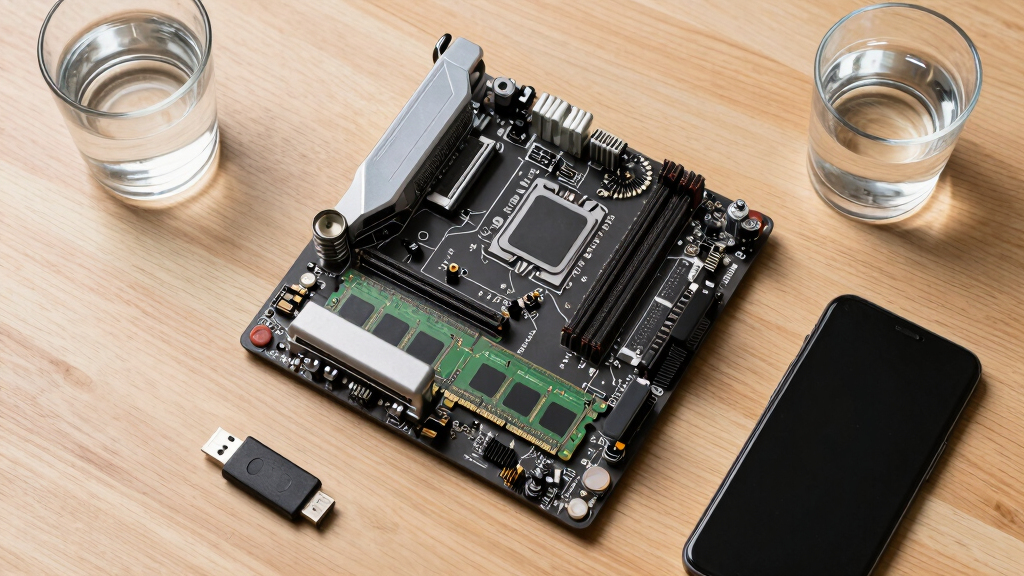

📊 Full opportunity report: When Does Cheap Memory Come Back? The 2027–2029 Question on ThorstenMeyerAI.com — validation score, market gap, and execution plan.
Listen free for 30 days with Audible
Thousands of audiobooks and originals — cancel anytime.
Start your free trialAs an affiliate, we earn on qualifying purchases.
TL;DR
Memory shortages are projected to persist until at least 2028–2029, with prices stabilizing but remaining higher than pre-crisis levels. Industry capacity growth is slow, and demand remains high, especially from AI applications.
Memory prices are expected to remain elevated until at least late 2028, with no immediate relief in sight, according to industry analysts and major manufacturers. This ongoing shortage impacts a wide range of sectors, including AI infrastructure, consumer electronics, and data centers, making it a critical issue for technology supply chains and pricing.
The consensus among industry experts is that the memory market will begin to see stabilization around 2027, but full relief and return to pre-crisis pricing levels are unlikely before 2028–2029. Major memory producers such as Samsung, SK Hynix, and Micron have warned that shortages could extend into the late 2020s, with capacity additions not expected to significantly ease the shortage until then.
New fabs, including Micron’s Idaho facility and SK Hynix’s Indiana plant, are scheduled to come online between 2027 and 2029, but these will only incrementally increase supply. The largest planned capacity expansion, Micron’s Clay megafab in New York, has been delayed until 2030. Additionally, the industry faces bottlenecks in cleanroom capacity and advanced packaging, which further slow supply growth.
Demand, particularly from AI applications, remains high and is expected to grow, with some companies like OpenAI securing long-term supply agreements through 2029. This sustained demand, combined with limited supply growth, keeps prices elevated, with analysts predicting a permanent new normal of prices 30–50% above pre-crisis levels.
When does cheap memory come back?
The question everyone’s really asking: do I just wait this out? The honest answer is a timeline, three scenarios, and news you may not want — the cheap memory you remember isn’t coming back. A less-expensive market probably is — later, and at a higher floor.
Capacity ramps ’27–’28; price climbs stop, then ease. Settles ~30–50% above pre-crisis — the new baseline, not a return to 2024.
AI keeps accelerating; OpenAI locked ~40% of DRAM through 2029; makers pause expansion to protect record margins; each HBM gen worsens the math.
AI demand moderates just as delayed ’27–’28 fabs all arrive → classic overshoot → prices crash. Not the bet — but never impossible in this industry.
The one relief valve that needs no fab is efficiency: if compression (Part 9) cuts how much memory each model needs, demand softens on the timescale of a software update, not a construction project. So the posture isn’t waiting — it’s the discipline this series has been about. Memory is now a scarce, valuable resource; treat it that way. Buy what you need, right-size, own what’s steady, rent what’s spiky, quantize either way. The people who do best won’t be the ones who guessed the bottom — they’ll be the ones who stopped needing so much. That’s the squeeze, end to end.
Implications for Technology Markets and Consumers
The persistent high prices and supply shortages will continue to influence the technology industry, affecting product availability, pricing, and innovation timelines. Businesses relying on memory-intensive applications, such as AI and data centers, face ongoing cost pressures, while consumers may see limited upgrades and higher device prices. The industry’s structural constraints suggest that relief will not come soon, shaping strategic decisions for years to come.

PUSKILL DDR4 3200MHz CL16 Desktop RAM Kit, 32GB (2x16GB)
- High-Speed 3200MHz Performance: Fast frequency with low latency for smooth gaming
- Large 32GB Capacity: Ideal for gaming, streaming, and heavy multitasking
- Wide Compatibility: Supports Intel XMP 2.0 and AMD Ryzen platforms
As an affiliate, we earn on qualifying purchases.
As an affiliate, we earn on qualifying purchases.
Recent Industry Capacity and Demand Trends
The global memory market experienced a severe shortage starting in 2026, driven by supply chain disruptions, increased demand from AI applications, and delays in new capacity. Major manufacturers have announced new fabs and expansion plans, but these projects typically take several years to complete. The 2027 wave of capacity additions includes Micron’s Idaho fab and SK Hynix’s new plant, but these are not expected to significantly impact prices until late 2028.
Historically, memory industry cycles of boom and bust suggest that oversupply could eventually cause prices to crash, but current conditions—such as high demand and limited capacity—are preventing this scenario. Industry discipline and advanced packaging bottlenecks further restrict supply growth despite rising demand.
“The shortage could extend into 2027 and beyond, with meaningful easing only expected in late 2028.”
— Samsung spokesperson

CORSAIR Vengeance LPX DDR4 RAM 32GB (2x16GB) Up to 3200MHz CL16-20-20-38 1.35V Intel XMP AMD EXPO Computer Memory – Black (CMK32GX4M2E3200C16)
- Maximum Speed Note: Requires overclocking and BIOS adjustments
- Memory Chips: Hand-sorted for high performance
- Compatibility: Optimized for Intel and AMD DDR4 motherboards
As an affiliate, we earn on qualifying purchases.
As an affiliate, we earn on qualifying purchases.
Uncertainties Impacting Memory Price Projections
Several factors could alter the timeline, including faster-than-expected capacity expansions, changes in AI demand growth, or a market downturn causing oversupply. The potential for a supply glut and price crash remains, especially if demand moderates significantly or if new technologies reduce memory consumption faster than anticipated. These variables create a wide range of possible outcomes beyond current projections.

Samsung PM9A3 7.68 TB Solid State Drive – 2.5" Internal – PCI Express NVMe (PCI Express NVMe 4.0 x4)
- Storage Capacity: 7.68TB SSD
- Form Factor: 2.5-inch drive
- Interface: PCIe 4.0 x4 NVMe
As an affiliate, we earn on qualifying purchases.
As an affiliate, we earn on qualifying purchases.
Upcoming Capacity Expansions and Market Monitoring
Key developments to watch include Micron’s Clay fab startup in 2030, updates on US CHIPS Act-funded projects, and industry responses to ongoing demand from AI firms. Market analysts will closely monitor capacity ramp-ups, pricing trends, and demand signals to refine projections. Stakeholders should prepare for prolonged high prices and consider strategies to mitigate supply risks.

A-Tech 256GB Kit (8x32GB) DDR4 3200MHz PC4-25600 ECC RDIMM 2Rx4 Dual Rank 1.2V ECC Registered DIMM 288-Pin Server & Workstation RAM Memory Upgrade Modules (A-Tech Enterprise Series)
- Compatibility: For select DDR4 servers and workstations only
- Capacity: 256GB kit with 8 x 32GB modules
- Memory Type: ECC Registered RDIMM, DDR4 288-pin
As an affiliate, we earn on qualifying purchases.
As an affiliate, we earn on qualifying purchases.
Key Questions
When can we expect memory prices to return to pre-crisis levels?
Most industry experts predict that prices will not return to pre-crisis levels before 2028–2029, with stabilization occurring around mid-2027.
Why is memory supply so constrained through 2027 and beyond?
Capacity additions require years to build and ramp, and bottlenecks in cleanroom space and advanced packaging further slow supply growth, despite high demand.
Will AI demand continue to drive memory shortages?
Yes, AI applications are a major driver of demand, and long-term agreements by companies like OpenAI indicate this trend will persist into the late 2020s.
Could a market crash happen if demand suddenly drops?
While possible, a crash is less likely unless demand moderates sharply or oversupply occurs due to unforeseen capacity expansions or technological shifts.
What can consumers and companies do to cope with high memory prices?
Strategies include improving memory efficiency, delaying upgrades, and investing in technological innovations that reduce memory needs, such as compression and better stacking yields.
Source: ThorstenMeyerAI.com
Flea & tick season Picks
flea and tick prevention
As an affiliate, we earn on qualifying purchases.





![Stalking The Wily Hacker: 40 Years Later – Cliff Stoll [Video]](https://vultrade.com/wp-content/uploads/2026/08/stalking-the-wily-hacker-40-years-later-cliff-stoll-video-featured-260x140.jpg)