
TL;DR

Get privacy and security gear delivered free with Prime
- Fast, free delivery on millions of items
- Prime Video, Amazon Music and more included
- Member-only deals all year
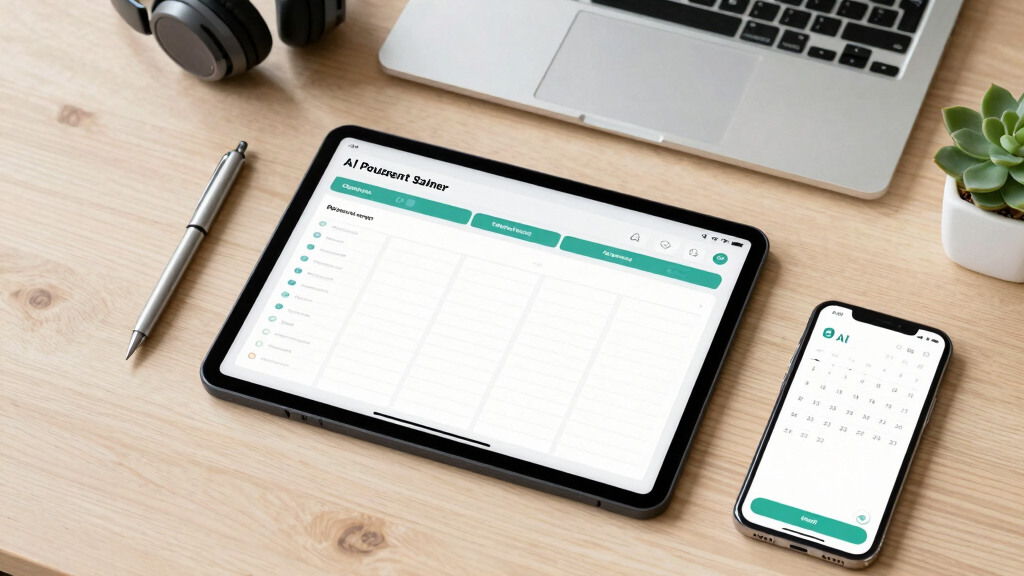
In 2026, the AI-Powered Student Success Planning Workbook leads the list for its comprehensive guidance. Other top picks include ChatGPT-based research tools and hybrid paper planners, offering diverse options for students’ needs.
In 2026, the AI-Powered Student Success Planning Workbook has been ranked as the top student planner for its effective integration of AI-assisted decision-making and academic planning. This ranking reflects a growing trend toward AI-enhanced tools for student organization designed to improve student organization and productivity, making these products highly relevant for students seeking smarter planning solutions.
The ranking is based on a detailed review of 15 products, focusing on AI guidance and usability, and suitability for different academic tasks. The Success Planning Workbook stood out for directly connecting goal-setting with AI-driven advice, while ChatGPT for Thesis and Dissertation Success offers specialized support for graduate research. The SKYDUE Student Planner combines traditional planning with AI-generated schedules, providing good value for students who prefer hybrid workflows.
Most products are either standalone AI-guided software or paper planners that can be paired with free AI tools. The size, portability, and features like tabs or pockets also influenced rankings, with larger planners favored for detailed work and smaller models preferred for portability. Notably, some products target educators rather than students, which affects their relevance for individual learners.
The 15 picks
- 1
 Passionate Penny Pincher Student Planner 2026-2027View on Amazon →
 - 2
 The Power of AI for Educators: Revolutionize Teaching to Stay Competitive, Re…View on Amazon →
 - 3
 ChatGPT for Thesis and Dissertation Success: A Complete, AI-Powered Guide to…View on Amazon →
 - 4
 AI-Powered Student Success Planning WorkbookView on Amazon →
 - 5
 Student Planner 2026-2027, 8.5"×11" Academic Weekly & Monthly Planner, Jul 20…View on Amazon →
 - 6
 School Planner for Elementary Students 2026-27, 8.5 x 11, Pink, Spiral Bound,…View on Amazon →
 - 7
 Student Planner 2026-2027 Middle School & High School Matrix, 8.5" x 11"View on Amazon →
 - 8
 Student Planner 2026-2027, SUNEE Middle or High School Planner for Academic Y…View on Amazon →
 - 9
 SUNEE Elementary Student Planner 2026-2027, Dated Academic Year Jul. 2026 – J…View on Amazon →
 - 10
 Student Planner 2026-2027, SUNEE Academic Weekly & Monthly Plan Book, Jul. 20…View on Amazon →
 - 11
 Student Planner 2026-2027, SUNEE Middle or High School Datebook, Jul 2026 – J…View on Amazon →
 - 12
 SKYDUE Student Planner 2026-2027 with 3-Hole Punch, Monthly & Weekly Layouts,…View on Amazon →
 - 13
 Student Planner 2026-2027, SUNEE Academic Weekly & Monthly Plan Book, Jul. 20…View on Amazon →
 - 14
 Student Planner 2026-2027 Monthly & Weekly School Planner for Middle and High…View on Amazon →
 - 15
 Student Planner 2026-2027, 9” x 11”, Weekly & Monthly Calendar, Tabs, Stick…View on Amazon →
Implications of AI-Integrated Planning in Education
The emergence of these AI-powered planners in 2026 signifies a shift toward smarter, more personalized academic organization. Students can now leverage AI to break down complex assignments, prioritize tasks, and adapt schedules dynamically, potentially improving academic performance and reducing stress. This trend also reflects broader adoption of AI tools in education, which could influence future learning methods and resource development.
Development of AI Student Planning Tools in 2026
Over recent years, AI integration into educational tools has expanded rapidly. In 2026, the market features a mix of dedicated AI-guided workbooks, hybrid paper-digital planners, and specialized research support tools. The Success Planning Workbook and ChatGPT-based guides represent the forefront of this trend, emphasizing personalized, goal-oriented planning. Prior to this, most student planners relied on static calendars or generic digital apps without AI assistance.
Key developments include increased AI customization, hybrid workflows combining paper and digital tools, and a focus on supporting diverse academic routines, from daily homework to thesis research. The landscape continues to evolve as new products incorporate more advanced AI features and user feedback shapes their design.
“The 2026 lineup of AI-powered student planners reflects a clear shift toward tools that actively guide students through their academic journeys, not just record schedules.”
— Thorsten Meyer, AI Product Reviewer
Unanswered Questions About AI Planner Effectiveness
While rankings are based on feature analysis and user feedback, long-term effectiveness of these AI tools in improving academic outcomes remains unconfirmed. There is limited data on how students adapt to AI-guided planning over extended periods, and how interface updates may impact usability.
Additionally, privacy concerns and data security practices vary among products, and their real-world impact is still being studied. It is not yet clear whether AI guidance significantly enhances learning or simply offers convenience.
Future Developments in AI Student Planning Tools
Expect further refinement of AI features, including more personalized recommendations, adaptive scheduling, and integration with other educational platforms. Developers are likely to introduce more seamless hybrid workflows and enhanced privacy safeguards. Monitoring user feedback and academic performance metrics will shape future iterations of these tools.
In the coming months, new product launches and updates are anticipated, aiming to better support diverse learning styles and academic routines. Researchers will also continue to evaluate the impact of AI-guided planning on student success.
Key Questions
What should I consider when choosing an AI-powered student planner?
Focus on the level of AI guidance you need, the planner’s compatibility with your routine, portability, and privacy features. Decide whether you prefer a purely digital, hybrid, or paper-based system, and ensure it aligns with your workload and learning style.
Are AI-powered planners suitable for all students?
They are most beneficial for students managing complex schedules, long-term projects, or research tasks. However, students with simple routines may find basic planners sufficient. Consider your specific needs before investing in advanced AI features.
Will using AI planners improve my academic performance?
While AI tools can help organize tasks and reduce stress, their effectiveness depends on how students utilize them. Long-term studies are ongoing, but many users report increased organization and clarity in managing their workload.
What privacy concerns are associated with AI student planners?
Some products collect data to personalize guidance, raising privacy issues. Always review privacy policies and choose tools with strong data security practices to protect your information.
What is the cost range for these AI-powered planners?
Prices vary from free AI tools paired with paper planners to premium digital solutions costing up to $50 or more annually. Many hybrid options offer a balance between affordability and advanced features.
Source: ThorstenMeyerAI.com
Halloween Picks
halloween
As an affiliate, we earn on qualifying purchases.