
TL;DR
The Trump administration has ordered Anthropic to disable its newest AI models over unspecified national security concerns. This move raises questions about regulatory motives and impacts on the AI industry, with potential benefits for competitors.
The Trump administration has ordered Anthropic to disable its two newest AI models, Fable 5 and Mythos 5, citing unspecified national security concerns. This action, announced last Friday, marks a significant intervention into AI development and deployment, with potential implications for the industry and U.S. tech policy.
Anthropic was instructed to pull its models after concerns raised by Amazon researchers allegedly finding ways to bypass model safeguards. The White House’s order did not specify the security risks involved, only stating models could not be used by foreign nationals. Anthropic indicated that the models’ removal was necessary because of the difficulty in verifying user nationality, especially given the models’ accessibility to the public. The move coincided with reports of a broader political and regulatory tension, including a lawsuit between Anthropic and the government, and claims that the action was retaliatory. Industry experts suggest that the security risks from Anthropic may not be unique, and some analysts see this as part of a broader pattern of strained relations between the company and the administration.
Potential Industry and Regulatory Impacts of the Crackdown
This development highlights ongoing tensions between AI innovation and national security policies. The order could set a precedent for increased government intervention in AI development, potentially affecting the pace of innovation and international competitiveness. It also raises concerns among cybersecurity experts about the risks of restricting advanced AI capabilities that could be vital for U.S. network defenders. For industry players, the move may serve as a warning about regulatory risks and the importance of navigating government relations carefully.
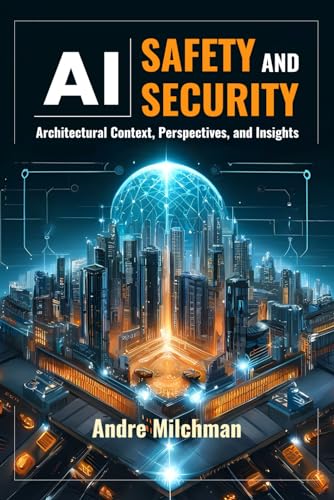
AI Safety and Security: Architectural Context, Perspectives, and Insights
As an affiliate, we earn on qualifying purchases.
As an affiliate, we earn on qualifying purchases.
Background of AI Regulation and Industry Tensions
Anthropic, founded in 2020, has been a prominent player in AI development, releasing increasingly powerful models like Mythos 5 and Fable 5. The company has publicly expressed caution about AI safety and the dangers of rapid deployment. Tensions with the Trump administration have been evident, with reports suggesting strained relations and accusations of security risks. The recent order follows a pattern of heightened scrutiny on AI firms, especially those developing advanced models with potential military or security applications. Prior to this, debates around AI regulation have centered on safety, security, and geopolitical competition, with the U.S. government seeking to control export and deployment of sensitive AI technology.
“Anthropic was forced to pull its models without clear explanation, raising concerns about transparency and the true motives behind the order.”
— Rebecca Bellan

Generative AI Design Patterns: Solutions to Common Challenges When Building GenAI Agents and Applications
As an affiliate, we earn on qualifying purchases.
As an affiliate, we earn on qualifying purchases.
Unclear Motivations and Future Regulatory Actions
It remains unclear what specific security concerns prompted the order, as the government has not disclosed detailed evidence or justification. The potential for retaliation, political motives, or broader regulatory strategies is still under debate. Additionally, the impact on other AI companies and whether similar actions will follow is uncertain.

The Developer's Playbook for Large Language Model Security: Building Secure AI Applications
As an affiliate, we earn on qualifying purchases.
As an affiliate, we earn on qualifying purchases.
Next Steps for Anthropic and Industry Regulators
Anthropic is likely to challenge the order or seek clarification, while industry groups may lobby for clearer regulations and safeguards. The government may also clarify its security concerns or pursue further restrictions. Monitoring how other AI firms respond and whether new policies emerge will be critical in the coming months.

Trustworthy Medical AI: A Builder's Guide to Safe, Compliant Software as a Medical Device
As an affiliate, we earn on qualifying purchases.
As an affiliate, we earn on qualifying purchases.
Key Questions
Why did the Trump administration order Anthropic to remove its models?
The government cited national security concerns but has not disclosed specific details or evidence behind the order.
Could this impact other AI companies?
Yes, it raises the possibility of increased regulatory scrutiny or similar actions against other firms developing advanced AI models.
What are the security risks associated with Anthropic’s models?
Experts suggest that the risks are not unique to Anthropic, and that restricting these models could hinder cybersecurity efforts, but specific details are not publicly known.
Is this move politically motivated?
Many analysts believe the timing and context suggest political motives, especially given the strained relations between Anthropic and the administration.
What might happen next for Anthropic?
Anthropic may challenge the order legally or seek negotiations, while regulators could impose further restrictions or clarify security concerns.
Source: TechCrunch