
TL;DR

Get privacy and security gear delivered free with Prime
- Fast, free delivery on millions of items
- Prime Video, Amazon Music and more included
- Member-only deals all year
A security technique demonstrated in 2019 can capture BitLocker key material from some older PCs using discrete TPM chips, because the chip communicates with the processor over an unencrypted bus. The attack requires physical access; using a pre-boot PIN or startup key can add protection. The supplied source does not identify a new disclosure or patch announced on Oct. 17, 2026.
A physical-access attack can expose BitLocker key material on some older PCs that use a discrete TPM, by monitoring the unencrypted connection between the security chip and processor. The technique was demonstrated by Pulse Security in 2019, according to the source material; it is not an internet-based attack, and the material does not report a new exploit or patch announced on Oct. 17, 2026.
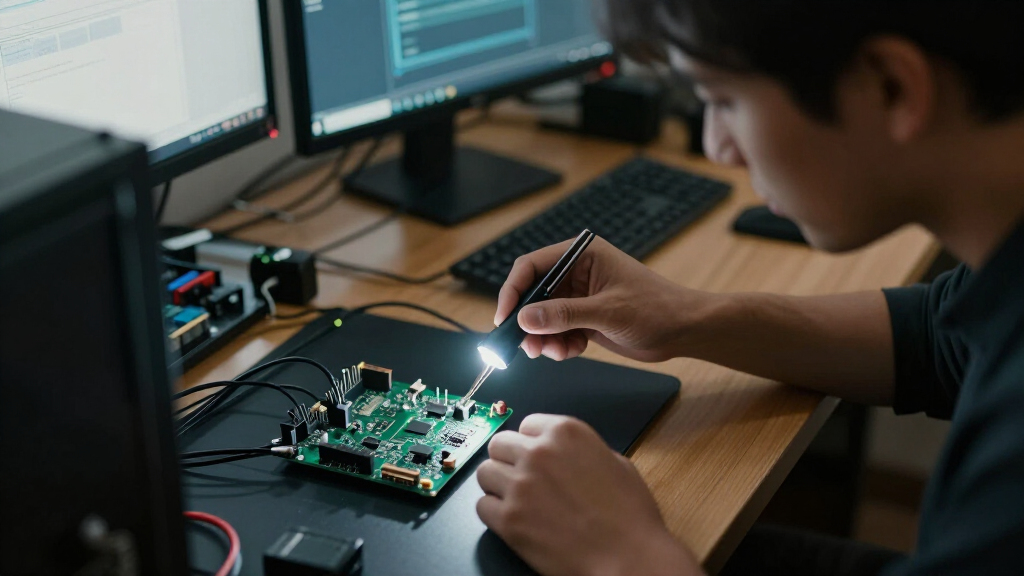
A trusted platform module helps check a computer’s boot state before releasing cryptographic material used to unlock an encrypted drive. On some older systems, the TPM is a separate chip connected to the motherboard. The source says that communication with the processor may travel over an unencrypted LPC or SPI bus, allowing someone with physical access and suitable monitoring equipment to capture it when the machine starts.
The attack is relevant to BitLocker systems configured for TPM-only startup: if the boot state passes the TPM’s checks, the key is released without a separate PIN being entered. A captured key could then be used to decrypt the drive elsewhere, the source explains. Pulse Security demonstrated the approach in 2019 with a roughly $40 FPGA board, according to the source. The attack may use accessible motherboard connections, but the source also says probes can be attached directly to the TPM chip; an unused debug header is not necessarily required.
The source recommends adding a BitLocker pre-boot PIN on systems that depend on a discrete TPM. It also describes requiring a startup key stored on a USB drive, in addition to the PIN. These measures add work at each boot, but mean the TPM’s release of key material is not the only barrier protecting the drive. The source gives no new vendor advisory, patch release, or fresh test results alongside its explanation.
Security briefing · Physical access · October 2026
Is Your Motherboard’s Debug Header Still Listening?
The security risk explained: a technique demonstrated in 2019 showed how someone with physical access could capture BitLocker key material from some older PCs with a discrete TPM. The article dated October 17, 2026 presents a renewed explanation, not a newly disclosed flaw or announced patch.
How the exposure can happen
From automatic unlock to captured traffic
A debug header does not independently unlock an encrypted drive. The issue described is whether an attacker can observe the TPM-to-processor communication inside a machine they can physically handle.
- 01Boot checkTPM checks startup state
The module evaluates whether the boot state meets its configured conditions.
- 02Automatic releaseTPM-only BitLocker starts
If checks pass, key material can be released without a separate pre-boot PIN.
- 03Bus monitoringAttacker probes the connection
Suitable equipment may capture traffic on an exposed, unencrypted LPC or SPI bus.
- 04Drive accessCaptured material may unlock data
The source explains that a captured key could be used to decrypt the drive elsewhere.
Know the hardware
Discrete TPM and firmware TPM
The described pathway concerns some discrete TPM designs. A firmware TPM changes where TPM functions run, but that alone is not a broad guarantee against physical attacks.
Discrete TPM (dTPM)
A standalone chip connected to the motherboard. The source describes some older systems where communication with the processor travels over an unencrypted bus. A probe may access the chip or bus; an unused debug header is not necessarily required.
Firmware TPM (fTPM)
Runs through platform firmware, typically using processor capabilities. The source characterizes it as relatively more secure against this specific discrete-chip bus-sniffing pathway, while noting other physical and software attack concerns remain.
| Question | Discrete TPM | Firmware TPM |
|---|---|---|
| Where does it run? | Separate motherboard chip | Platform firmware / processor capabilities |
| Pathway described here | Some systems may expose bus traffic | Less exposed to this specific discrete-chip path |
| Does that establish overall safety? | No; configuration and access matter | No; other attack methods may remain |
| What should you verify? | Your device documentation, TPM configuration, and BitLocker startup requirements | |
Exposure is conditional
Who should pay attention?
Risk depends on the TPM type, bus implementation, BitLocker startup mode, and whether someone can physically access the device. The source does not identify a complete list of affected models.
Lost or unattended laptops
A device that can be handled gives an attacker the physical access this method requires.
TPM-only startup
Automatic release means there is no separate PIN barrier at startup in the scenario described.
Specific models unknown
The material mentions example vendors but gives no model numbers, fresh tests, or full exposure count.
Scope matters. The article supplies no new vendor advisory, patch release, or fresh test results alongside its explanation. It does not establish that all discrete TPMs, or any particular computer, are vulnerable.
Practical steps
Check your setup, then add a factor
A pre-boot PIN changes the described scenario by adding user-entered authentication. A USB startup key can add another required factor, with a routine startup tradeoff.
Open Windows Run, enter tpm.msc, and review the reported manufacturer. Use your computer documentation to confirm what that information means for your system.
Check whether BitLocker requires only the TPM at startup. Hardware and firmware configurations vary, so a manufacturer name is a starting point, not a full security assessment.
If appropriate for your device, consider a BitLocker pre-boot PIN; a USB startup key may add another factor. Follow Microsoft’s device-specific guidance and keep recovery information available.
Processor support varies by system. The source broadly describes TPM 2.0 support on Intel 8th-generation and newer processors and AMD Ryzen 2000-series and newer processors; verify your specific device.
Key questions
What this explanation does—and does not—say
The dated event in the material is the 2019 demonstration. October 17, 2026 is the explainer’s publication date, not evidence of a new vulnerability announcement.
Does this work over the internet?
No. The described method requires physical access to the computer and internal connections. It is not presented as a remote network attack.
Does an unused debug header cause the risk?
No. The concern is possible exposure of TPM-to-processor traffic. The source says probes may also attach directly to the discrete TPM.
Can a pre-boot PIN help?
It adds an authentication factor that is not automatically sent over the described bus, helping mitigate this specific bus-sniffing scenario. It is not a guarantee against every attack.
Does the source name affected models?
No complete model list or fresh device testing is provided. Whether a computer is exposed depends on its hardware, bus, encryption setup, and physical accessibility.
Why a stolen PC may be exposed
The practical risk is concentrated in devices an attacker can physically handle. A desktop kept in a controlled location is less exposed to this particular method than a laptop that is lost, stolen, or left unattended. The source says similar demonstrations have involved laptops from Dell, Lenovo, and Microsoft, but does not provide model numbers or testing details for those examples.
For readers, the distinction matters because drive encryption can appear to work normally while relying on automatic TPM release at startup. A pre-boot PIN adds a user-held factor that is not sent automatically over the TPM-to-processor bus. This is a mitigation against the described bus-sniffing scenario, not a guarantee against every way of attacking a computer or its encryption.
The source also cautions that firmware TPM is not immune to all attacks, citing voltage injection and software-based methods as continuing concerns. It characterizes firmware TPM as relatively more secure against this particular unencrypted discrete-chip pathway. That comparison should not be read as evidence that every device with firmware TPM is secure against physical attacks generally.
hardware security key for account protection
As an affiliate, we earn on qualifying purchases.
As an affiliate, we earn on qualifying purchases.
Discrete and firmware TPMs
A discrete TPM, or dTPM, is a separate component connected to a motherboard header. A firmware TPM, or fTPM, runs through platform firmware, typically using capabilities in the processor. The source says Intel 8th-generation and newer processors and AMD Ryzen 2000-series and newer processors broadly support TPM 2.0, while older machines may rely on a separate chip. These are general descriptions, not a check of every processor or system configuration.
To inspect the TPM reported by Windows, the source suggests opening the Run dialog, entering tpm.msc, and checking the manufacturer details. It says entries such as Intel, AMD, or Microsoft indicate a firmware TPM, while Infineon, Nuvoton, or STMicroelectronics may indicate a discrete TPM. Hardware and firmware configurations vary, so users should verify the result against their device documentation rather than treating the manufacturer name as a complete security assessment.
The underlying issue is not that a debug header independently unlocks a drive. It is that an attacker with access to the machine may be able to observe communication on a bus used by the TPM. The 2019 demonstration is the dated event in the material; the Oct. 17, 2026 article supplies an explanation and mitigation advice, not evidence of a newly discovered flaw.
As an affiliate, we earn on qualifying purchases.
Which computers remain affected
The source does not identify a newly affected model, provide a complete list of vulnerable motherboards, or report fresh testing across current systems. It also does not say how many devices remain exposed. Whether a particular computer is vulnerable depends on its TPM type, bus implementation, BitLocker configuration, and physical accessibility.
The material does not cite a newly issued Microsoft, processor-maker, or motherboard-vendor advisory, nor does it establish that all discrete TPMs expose key material in the same way. Its advice about checking manufacturer details is a starting point, not a substitute for device-specific guidance. The 2019 demonstration and the general explanation should not be mistaken for confirmation that a specific machine can be compromised by this method.
As an affiliate, we earn on qualifying purchases.
Check TPM and startup settings
Owners of older Windows PCs can check the TPM details reported by tpm.msc and review whether BitLocker requires only the TPM at startup. If the system uses a discrete TPM, the source advises considering a pre-boot PIN; a startup key on USB can add another required factor, though it makes routine startup less convenient. Users should follow Microsoft’s device-specific instructions and keep recovery information available before changing encryption settings.
No further research release, software update, or vendor response is specified in the source material. The next useful development would be device-specific guidance or independent testing that clarifies which configurations are affected and whether any firmware or hardware changes are available.
As an affiliate, we earn on qualifying purchases.
Key Questions
Does this attack work over the internet?
No. The described method requires physical access to the computer and its internal connections. It is not described as a remote network attack.
Does an unused motherboard debug header cause the vulnerability?
Not by itself. The risk described is exposure of unencrypted TPM-to-processor communication. A debug or serial connection may provide access to a shared bus, but the source says an attacker could also probe the discrete TPM directly.
How can I check whether my PC has a discrete TPM?
The source recommends running tpm.msc in Windows and checking the manufacturer information. It lists Intel, AMD, and Microsoft as examples associated with firmware TPMs, and Infineon, Nuvoton, and STMicroelectronics as examples associated with discrete TPMs. Confirm the result with your computer’s documentation.
Does a BitLocker PIN protect against this technique?
A pre-boot PIN adds authentication before the TPM releases key material, which can mitigate the TPM-only bus-sniffing scenario described. It does not guarantee protection from every physical or software attack.
Source: XDA Developers
Halloween Picks
halloween
As an affiliate, we earn on qualifying purchases.