
TL;DR
Australia has announced it will double the maximum penalty for social media companies that breach its under-16 ban from 49.5 million to 99 million AUD. The government is also empowering its online safety agency to enforce compliance more effectively. This move underscores the country’s firm stance on protecting minors online.
The Australian government has announced it will **double the maximum penalty** for social media companies that breach its new under-16 ban, increasing fines from **49.5 million to 99 million AUD**. This development underscores the country’s commitment to enforcing its pioneering online safety law, which aims to restrict social media access for minors under 16.
In a recent press release, the Australian government confirmed that the **fine for violations** of the social media ban will be **doubled**, with the new cap set at **99 million AUD**, or approximately **$68 million USD**. Prime Minister Anthony Albanese stated, “It’s clear big tech are not doing enough to comply with the law.” The government also granted increased powers to the **eSafety Commissioner**, Julie Grant, allowing her to **demand evidence** of compliance from social media platforms and **collect data** from third-party sources, including app stores and age verification services.
Since the ban’s implementation in December, authorities have reported the removal, deactivation, or restriction of over five million accounts belonging to users under 16. However, recent studies cast doubt on the law’s effectiveness, with surveys indicating a significant proportion of minors still access social media. A charity poll found that **61 percent** of over 1,000 children aged 12 to 15 still have social media accounts, and a university study reported that over 85 percent of Australian teens under 16 are active on social media platforms.
This move highlights Australia’s aggressive approach to online safety, aiming to **deter violations** by imposing **hefty fines** on social media companies. Doubling the penalty underscores the seriousness with which the government views **non-compliance** and could influence **industry practices** globally, setting a precedent for other countries considering similar regulations.
Moreover, expanding enforcement powers to the eSafety Commissioner enhances **monitoring capabilities**, potentially increasing **accountability** among tech firms. The effectiveness of these measures remains uncertain, given ongoing reports of minors’ continued social media access despite legal restrictions.
Human-Centered Social Media Analytics
As an affiliate, we earn on qualifying purchases.
As an affiliate, we earn on qualifying purchases.
Australia became the first country worldwide to implement a **social media ban for users under 16** in December, aiming to **protect minors** from potential online harms. The law requires platforms to **verify age** and restrict accounts of underage users. Since then, authorities have actively **investigated compliance**, with over **five million accounts** reportedly affected. Despite these efforts, recent surveys suggest that **many minors** still access social media, raising questions about the law’s **effectiveness** and enforcement challenges.
“It’s clear big tech are not doing enough to comply with the law.“
— Australian Prime Minister Anthony Albanese
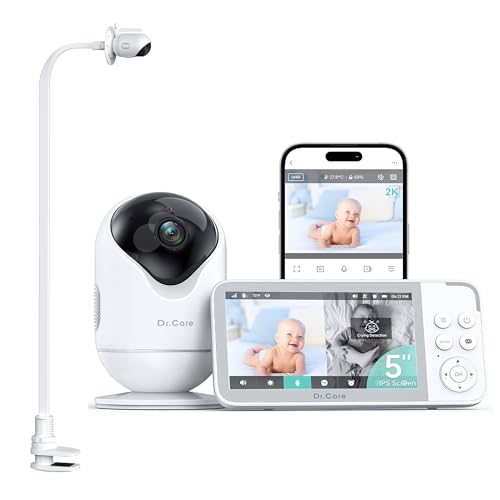
Dr.Care VistaView 5” Smart WiFi Baby Monitor with Clip Mount – 2K HD Camera, App Control, Cry & Motion Alerts, Night Vision, 5000mAh Battery, 2-Way Talk, Multi-User, Triple Security
1080P Split-Screen And 2K Camera APP Dual Control: Capture every precious moment with stunning 2K resolution and an…
As an affiliate, we earn on qualifying purchases.
As an affiliate, we earn on qualifying purchases.
Uncertainties Surrounding Law Enforcement Effectiveness
It remains unclear how effective the increased penalties and expanded enforcement powers will be in reducing minors’ access to social media. Despite reported account removals, recent surveys indicate persistent use among under-16s. The actual level of compliance and the potential for future violations are still being assessed, and ongoing investigations continue to evaluate platform adherence.

Python for OSINT Automation: Building Monitoring Tools for Continuous Intelligence Gathering
As an affiliate, we earn on qualifying purchases.
As an affiliate, we earn on qualifying purchases.
Next Steps in Monitoring and Enforcement
The Australian government and eSafety Commissioner are expected to continue **investigating compliance** among social media companies, with ongoing efforts to **enforce penalties** and **gather evidence**. Future updates may include **additional fines**, **public reporting** of violations, and potential **amendments** to the law if enforcement challenges persist. Monitoring the law’s impact on minors’ social media access will be a key focus in the coming months.

Door Knob Safety Cover Lock Child Proof Door Knob Lockout Device Cover
PASSWORD PROTECTION: The door knob lock is designed with code lock. You can lock or unlock the device…
As an affiliate, we earn on qualifying purchases.
As an affiliate, we earn on qualifying purchases.
Key Questions
The government aims to **strengthen enforcement** and **deter violations** of its under-16 ban, emphasizing the seriousness of the law and increasing penalties to **up to 99 million AUD**.
What new powers does the eSafety Commissioner have?
The Commissioner can now **demand evidence** from social media companies and **collect data** from third-party sources like app stores to verify compliance with the ban.
Are minors still accessing social media despite the ban?
Recent surveys suggest that **many minors** under 16 still have access, indicating potential **enforcement challenges** and ongoing non-compliance.
How effective are the new penalties likely to be?
It is still uncertain. While penalties are increased and enforcement powers expanded, the actual impact on reducing minors’ social media use remains to be seen.
What happens if social media companies violate the law?
Companies could face fines up to **99 million AUD** and increased regulatory scrutiny, including investigations and possible legal action.
Source: Engadget