
TL;DR

Get privacy and security gear delivered free — and shop member deals
- Fast, free delivery on millions of items
- Access to Prime Big Deal Days deals on October 6–7
- Prime Video, Amazon Music and more included
Anthropic has announced a new watermarking feature for its Claude AI system, which could help verify AI-generated content. The technical details and reliability of the watermark are still unknown, raising questions about its practical impact.
Anthropic has introduced a watermarking system for outputs generated by its Claude AI platform, according to recent reports. This development aims to provide a method for distinguishing AI-produced content from human work, which could influence how digital material is evaluated across industries. For more details, see the original analysis. The company has not disclosed detailed technical information about how the watermark functions or its scope, but the move signals a focus on transparency and accountability in AI-generated content.
The watermarking initiative applies specifically to outputs from Anthropic’s Claude AI system, though details about which versions, formats, or user tiers are affected remain undisclosed. The company has not explained whether the watermark is visible or hidden, nor how it withstands editing, translation, or copying. Experts note that a watermark typically embeds a recognizable signal in the content, which can later be verified using specialized tools, but whether Anthropic’s method uses metadata, pattern modifications, or another technique is unconfirmed.
While the goal is to enable verification of AI origins, the available information does not clarify if users can inspect, disable, or remove the watermark. This uncertainty raises questions about the reliability of the system in real-world scenarios, especially when content undergoes substantial editing or is shared across different platforms. The effectiveness of the watermark in identifying AI-generated content after such manipulations remains untested and unproven at this stage.
Potential Impact on Content Verification and Trust
If effective, the watermarking could significantly enhance the ability of newsrooms, educators, and online platforms to verify the origin of digital content, helping to combat misinformation, impersonation, and undisclosed AI use. It could also support enforcement of policies requiring disclosure of AI-generated work. However, the social value depends heavily on the watermark’s robustness, with concerns about false negatives—failing to detect heavily edited outputs—and false positives—mislabeling human-authored content. The system’s reliability and adoption will influence its utility in addressing these issues.
As an affiliate, we earn on qualifying purchases.
Background on AI Provenance and Watermarking Efforts
The challenge of verifying AI-generated content has led to two main approaches: statistical detection methods and embedded watermarks. General AI detectors analyze patterns in text or media but can be unreliable when content is paraphrased or edited. Provider-specific watermarks, like the one announced by Anthropic, aim to embed a deliberate signal during content generation for easier verification. However, technical details about such watermarks are often proprietary, and their effectiveness can vary depending on implementation and post-processing.
Prior to this development, several companies and researchers have explored watermarking as a means to improve attribution. The effectiveness of these techniques remains under investigation, with ongoing debates about their robustness and potential for misuse. Anthropic’s move aligns with broader industry trends toward transparency but highlights the need for standardized, verifiable methods for content provenance.
As an affiliate, we earn on qualifying purchases.
Unresolved Questions About Watermarking Effectiveness
Many critical details about Anthropic’s watermarking system remain unknown. It is unclear how the watermark is embedded, whether it survives editing or translation, and what formats or outputs are covered. There are no published performance metrics, such as detection accuracy, false-positive rates, or resistance to manipulation. Additionally, it is uncertain whether users can verify, disable, or remove the watermark or if the system is applicable across all Claude products and tiers. The potential for malicious actors to evade detection also remains unaddressed.
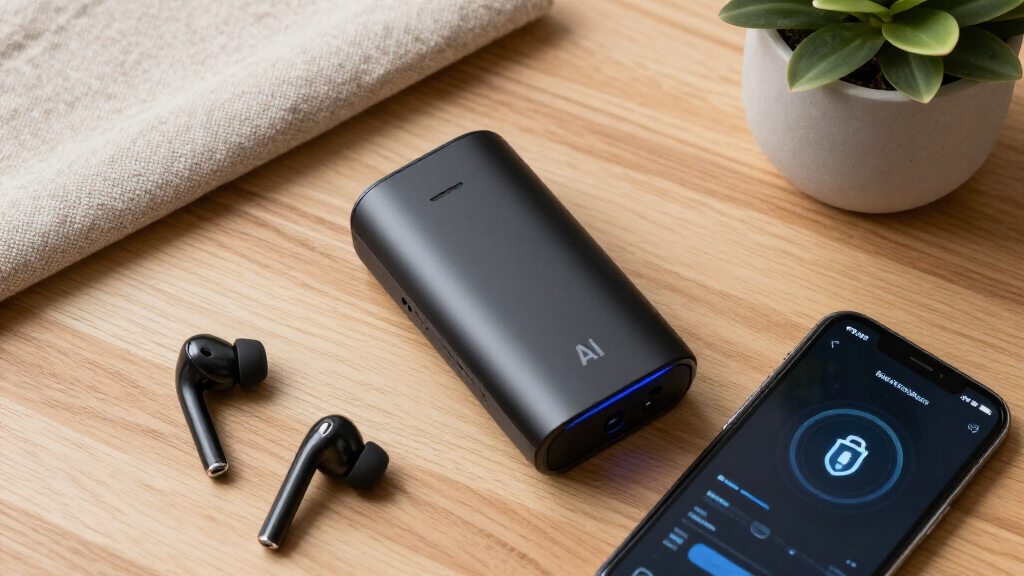
AI-generated content authentication device
As an affiliate, we earn on qualifying purchases.
As an affiliate, we earn on qualifying purchases.
Next Steps for Validation and Adoption
Anthropic is expected to release detailed documentation explaining how the watermark works, its scope, and limitations. Independent researchers and industry stakeholders will likely conduct tests across various languages, editing levels, and output formats to evaluate robustness. Policymakers, publishers, and platforms will need to decide how to incorporate watermark verification into their workflows, balancing reliability with privacy and usability. The broader industry may also develop standards for AI provenance to enable cross-platform verification.
AI content provenance verification
As an affiliate, we earn on qualifying purchases.
As an affiliate, we earn on qualifying purchases.
Key Questions
How does Anthropic’s watermarking system work?
The specific technical details have not been disclosed. It is unknown whether the watermark is visible or hidden, how it is embedded, or how it withstands editing.
Can users detect or remove the watermark?
It is unclear whether users can inspect, disable, or remove the watermark, as Anthropic has not provided this information.
Will the watermark work across all AI outputs?
The scope of the watermark—such as applicable formats, versions, or user tiers—is not yet specified. Its effectiveness in different contexts remains to be tested.
When will independent evaluations be available?
Independent researchers are expected to begin testing once Anthropic releases detailed documentation, likely in the coming months.
What are the implications for content verification?
If reliable, watermarking could improve attribution and trustworthiness of AI-generated content, but current uncertainties limit its immediate practical impact.
Source: ThorstenMeyerAI.com
Fall Picks
fall essentials
As an affiliate, we earn on qualifying purchases.