
TL;DR

Get privacy and security gear delivered free with Prime
- Fast, free delivery on millions of items
- Prime Video, Amazon Music and more included
- Member-only deals all year
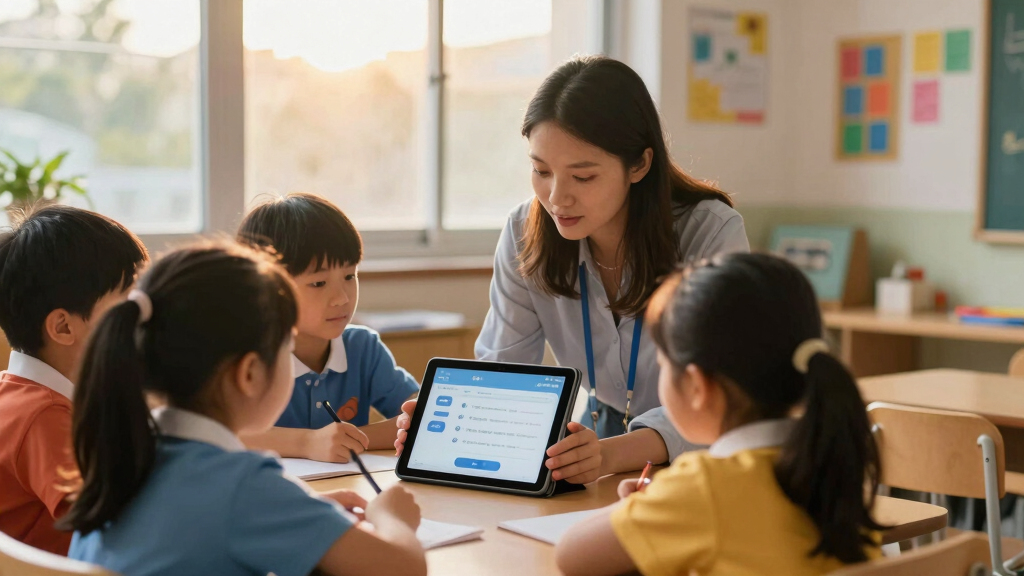
Norway has announced a comprehensive ban on generative AI tools for elementary school children, citing the need to focus on fundamental skills. The policy also restricts teens’ AI use under supervision, marking a significant shift in educational technology regulation.
Norway has announced a nationwide ban on the use of generative AI tools by elementary school students, covering children from ages six to 13, starting with the upcoming school year. The move aims to prioritize foundational skills such as reading, writing, and mathematics, according to Prime Minister Jonas Gahr Stoere. The policy also permits limited AI use for teens aged 14 to 16 under teacher supervision, while encouraging independent AI use for those aged 17 and above. This measure underscores Norway’s broader effort to regulate digital tools in education and protect young students from potential developmental risks.
The ban applies to students from first through seventh grade, roughly ages six to 13, and will be enforced at the beginning of the new school year scheduled for late August. Prime Minister Stoere emphasized that AI could allow children to bypass essential learning steps, stating, “Schools should focus on teaching them how to read, write and do mathematics.” The policy also extends to older teens, with restrictions easing for students aged 14 to 16 who can use AI only with teacher oversight. Students aged 17 and above are encouraged to use AI independently, reflecting a graduated approach to digital literacy.
This initiative follows Norway’s earlier ban on smartphones in classrooms, implemented in 2024, which reportedly led to reduced bullying, improved academic performance, and fewer mental health issues among students, especially girls. The country is also planning a social media ban for all children under 16, with a bill expected to be introduced to parliament by year’s end. Norway’s regulatory stance aligns with similar moves in other countries, including the United States, where discussions are ongoing about restricting AI access for minors through legislation like the proposed GUARD Act.
Implications for Education and Digital Safety
This ban signifies a major step in how governments are approaching AI in education, prioritizing skill development over technological integration. It reflects concerns that AI tools may hinder critical learning processes and affect mental health, especially among young children. The policy could influence other countries to adopt similar restrictions, shaping future educational technology policies worldwide. Additionally, Norway’s comprehensive approach to digital safety, including bans on smartphones and social media for minors, highlights a broader effort to create a safer, more focused learning environment.
children's educational reading tablets
As an affiliate, we earn on qualifying purchases.
As an affiliate, we earn on qualifying purchases.
Norway’s Broader Digital Policy in Schools
Norway has been proactive in regulating technology in education, banning smartphones in classrooms in 2024, which has reportedly improved student well-being and academic results. The country is also planning to restrict social media access for children under 16, with legislation expected soon. These measures are part of Norway’s efforts to limit digital distractions and protect mental health, especially following evidence of positive outcomes from previous bans. Globally, other nations, including the US, are considering or implementing similar restrictions on AI and digital devices for minors, reflecting a growing concern over technology’s impact on youth.
kids writing and math learning apps
As an affiliate, we earn on qualifying purchases.
As an affiliate, we earn on qualifying purchases.
Unclear Details on Enforcement and Exceptions
It is not yet clear how the ban will be enforced across different regions or how schools will monitor AI usage. Specific guidelines for teachers and students, as well as potential penalties for violations, have not been detailed. Additionally, the scope of AI tools covered by the ban and how emerging AI technologies might be regulated remain uncertain. The impact on educational innovation and the possibility of future adjustments are still developing topics.
supervised AI learning tools for teens
As an affiliate, we earn on qualifying purchases.
As an affiliate, we earn on qualifying purchases.
Next Steps in Norway’s Education Tech Policy
Norwegian authorities are expected to release detailed implementation guidelines ahead of the school year’s start. Schools will need to adapt their policies and curricula to comply with the new restrictions. Meanwhile, discussions about the social media ban and broader digital safety measures are ongoing, with legislation anticipated before year’s end. Internationally, other countries may observe Norway’s outcomes to inform their own policies on AI and youth safety.
As an affiliate, we earn on qualifying purchases.
Key Questions
What types of AI tools are banned in Norwegian schools?
Generative AI tools, including chatbots and AI assistants, are broadly restricted for students aged six to 13. Older teens have limited access under supervision, and specific tools are not individually listed but are generally encompassed by the policy.
Will teachers be able to use AI for educational purposes?
The ban primarily targets student use. It is not explicitly stated whether teachers can use AI tools for instruction, but the focus appears to be on restricting student access to ensure foundational learning.
How does this compare to other countries’ policies on AI in education?
While Norway has implemented a broad ban for younger students, the United States is considering legislation that would regulate AI access for minors, with some bills focusing on age verification and responsible use. Other countries are still in early stages of policy development.
Could this ban impact future educational technology development?
Yes, the restrictions may influence how AI developers design educational tools, possibly leading to more age-appropriate or supervised AI applications tailored for younger users.
What are the potential challenges of enforcing this ban?
Monitoring AI use across schools and ensuring compliance could be difficult, especially with the rapid development of new AI tools. Clear enforcement mechanisms and oversight will be necessary to implement the policy effectively.
Source: Engadget
Columbus Day / Indigenous Peoples' Day Picks
long weekend sales
As an affiliate, we earn on qualifying purchases.