

📊 Full opportunity report: Memory Stopped Being a Commodity on ThorstenMeyerAI.com — validation score, market gap, and execution plan.
Open a free Amazon Business account
Business pricing, bulk buying and tax-exempt orders.
Create a free accountAs an affiliate, we earn on qualifying purchases.
TL;DR
Micron announced long-term, take-or-pay contracts covering about 20% of its memory output, with $22 billion in customer deposits. This marks a shift from memory being a volatile commodity to a strategic, pre-funded input.
Micron has disclosed that it has entered into 16 long-term, take-or-pay contracts covering roughly 20% of its DRAM and NAND memory output through 2030. These agreements involve approximately $100 billion in guaranteed revenue and include $22 billion in customer deposits and commitments. This development indicates that memory is shifting away from being a frequently bought commodity to a contracted, pre-funded strategic input, a move that could reshape the industry’s supply-demand dynamics and pricing models.
In its record June quarter, Micron announced these contracts, called Strategic Customer Agreements, which run mostly five years from 2026 to 2030. Customers commit to purchasing set volumes annually or pay regardless, with prices set within a band that protects both parties. The contracts include a floor price that guarantees Micron a gross margin above previous cycle peaks, and a ceiling price that limits customer costs if prices rise further.
Most notably, Micron expects to collect $22 billion in deposits and commitments upfront, which are held on its balance sheet and returned later. This effectively means customers are pre-funding capacity, a stark departure from traditional industry practices where manufacturers bore capacity costs and buyers waited for prices to fall. The contracts also serve as insurance against demand drops, locking in revenue even if the memory market collapses.
Memory stopped being a commodity
Micron just locked up a fifth of its DRAM and a third of its NAND through 2030 with binding take-or-pay contracts — and collected $22 billion in deposits from the customers, up front. The boom-bust cycle that always brought cheap RAM back is being contracted away.
A dream deal for Micron — near-peak prices, margin floors above any past peak, customer-funded fabs. Insurance for the buyers who signed — real protection against a real shortage, bought dear. And for everyone else, a forecast: don’t expect cheap memory back soon. The structure is also a large, leveraged bet on AI demand holding to 2030 — and floors get tested in a genuine downturn. The contracts run to 2030; the test arrives sooner.
Implications of Memory Contracting for Industry Power Dynamics
This shift signifies a fundamental change in the memory industry, where buyers are now pre-paying and securing supply in advance, reducing volatility and potentially stabilizing prices. For Micron, it means a more predictable revenue stream and greater pricing power, especially as it aims to tame the historic boom-bust cycle. However, it also introduces new risks for buyers, who commit to multi-year obligations at near-peak prices, betting on sustained demand, particularly from AI and data center markets. This trend could redefine industry economics and supply chain strategies.
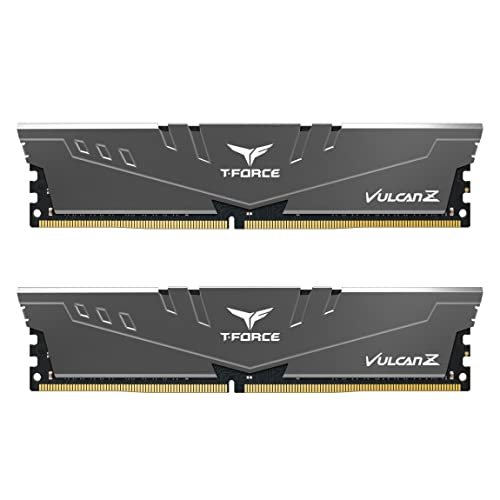
TEAMGROUP T-Force Vulcan Z DDR4 DRAM 16GB Kit (2x8GB) 3200MHz Desktop Memory Module (PC4-25600) CL16 Ram (Gray) – TLZGD416G3200HC16FDC01
- Design for Cooling Protection: Simple design with thermal adhesive
- Compatibility: Supports Intel and AMD motherboards
- High-Quality IC: Selected premium memory chips
As an affiliate, we earn on qualifying purchases.
As an affiliate, we earn on qualifying purchases.
Historical Cycles and Industry Transformation
For decades, memory chips experienced a predictable cycle: shortages drove prices up, leading to new capacity, which then caused oversupply and price crashes. Buyers waited for prices to fall, and manufacturers bore the risks of capacity investments. Recently, Micron’s record revenue, gross margins, and cash flow indicated a period of exceptional profitability. The signing of long-term contracts marks a departure from the previous commodity model, aligning memory supply with strategic demand, especially driven by AI and high-bandwidth applications.
Micron’s management attributes some of this shift to past pricing pressures from large customers like Apple, which they say contributed to underinvestment and subsequent shortages. The new contracts aim to stabilize revenue and leverage pricing power, effectively turning memory into a strategic infrastructure component rather than a fluctuating commodity.
“We are transforming memory from a volatile commodity into a predictable, strategic asset with long-term contracts that benefit both us and our customers.”
— Micron CEO Sanjay Mehrotra
As an affiliate, we earn on qualifying purchases.
Unclear Impact on Market Prices and Smaller Buyers
It remains uncertain how widespread this contracting approach will become across the industry, especially among smaller buyers who may not be able to pre-fund capacity or commit to long-term contracts. The long-term impact on memory prices and market liquidity is still developing, and the extent to which this model will replace traditional spot and spot-like sales is not yet clear.
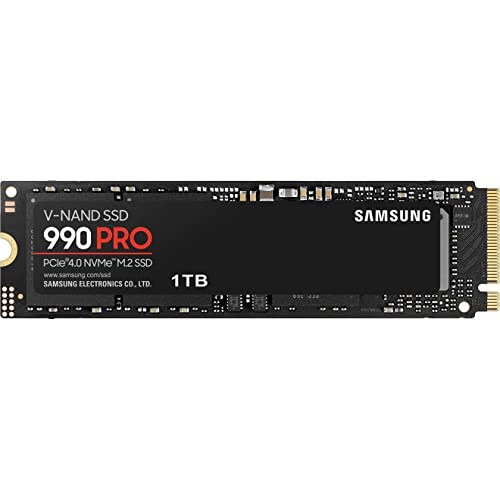
Samsung SSD 990 PRO 1TB, PCIe 4.0 M.2 2280, Up to 7,450 MB/s
- Speed Boost: Up to 7,450 MB/s read speed
- Enhanced IOPS: Up to 1550K IOPS
- Power Efficiency: 50% better performance per watt
As an affiliate, we earn on qualifying purchases.
As an affiliate, we earn on qualifying purchases.
Next Steps for Industry Adoption and Market Stability
Micron aims to expand these contracts to cover over 50% of its revenue, which could further entrench this new supply model. Industry observers will watch for similar moves by competitors like Samsung and SK Hynix. Additionally, market participants will analyze how these contracts influence memory prices, supply chain resilience, and the balance of power between manufacturers and large buyers, especially in AI and cloud markets.

A-Tech 128GB Kit (4x32GB) DDR4 2666MHz PC4-21300 ECC RDIMM 2Rx4 Dual Rank 1.2V ECC Registered DIMM 288-Pin Server & Workstation RAM Memory Upgrade Modules (A-Tech Enterprise Series)
- Compatibility: For select DDR4 servers and workstations only
- Capacity: 128GB kit with 4x32GB modules
- Type: ECC Registered RDIMM DDR4 memory
As an affiliate, we earn on qualifying purchases.
As an affiliate, we earn on qualifying purchases.
Key Questions
How does this change the traditional memory market?
This shift moves memory from a volatile commodity to a pre-funded, contract-based infrastructure input, reducing cyclical price swings and increasing supply stability.
Who are the main beneficiaries of these contracts?
Micron benefits from predictable revenue and pricing power, while large buyers, especially in AI and data centers, secure supply at near-peak prices, reducing their exposure to market volatility.
Will this model spread to other memory manufacturers?
It is uncertain, but if Micron’s approach proves successful, competitors may adopt similar long-term contracting strategies to stabilize revenue and supply.
What risks do buyers face with pre-funding capacity?
Buyers risk overpaying if demand declines or if their needs change, locking them into multi-year obligations at near-peak prices.
How might this affect memory prices long-term?
The impact is uncertain; it could lead to more stable prices but might also reduce the market’s natural price fluctuations that traditionally cleared excess capacity.
Source: ThorstenMeyerAI.com
Summer Picks
summer essentials
As an affiliate, we earn on qualifying purchases.







![Stalking The Wily Hacker: 40 Years Later – Cliff Stoll [Video]](https://vultrade.com/wp-content/uploads/2026/08/stalking-the-wily-hacker-40-years-later-cliff-stoll-video-featured-260x140.jpg)