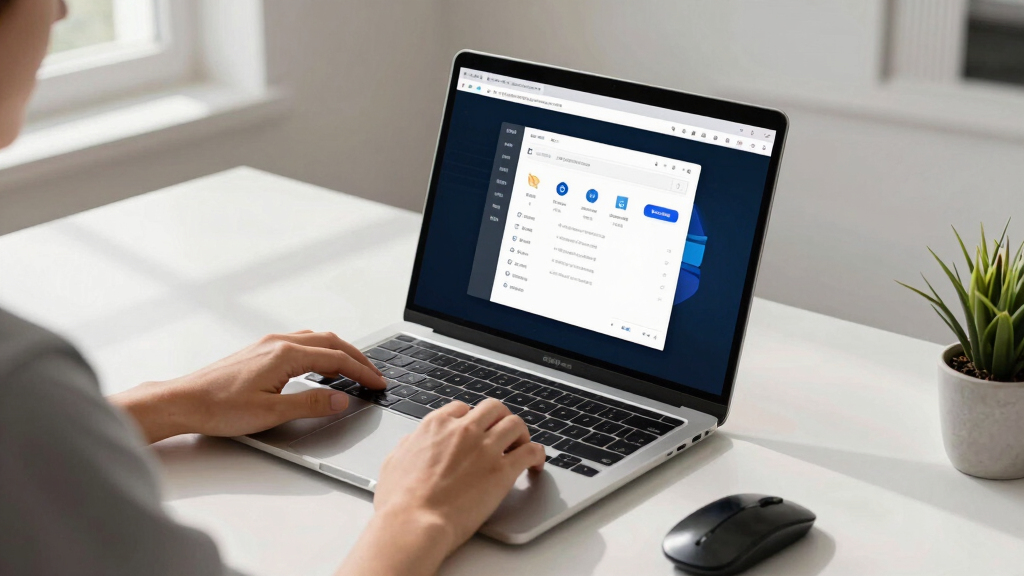

📊 Full opportunity report: DIY Chrome Extensions on IdeaNavigator AI — validation score, market gap, and execution plan.

Get privacy and security gear delivered free with Prime
- Fast, free delivery on millions of items
- Prime Video, Amazon Music and more included
- Member-only deals all year
TL;DR
A new AI-powered platform is making it easier for non-developers to build custom Chrome extensions using natural language prompts. This development could democratize browser automation and accelerate the no-code movement in browser tooling.
A new AI-driven platform is enabling non-developers and prosumers to create custom Chrome extensions using natural language prompts, without needing to understand Manifest V3 or coding. This development could significantly lower the barrier to browser automation and customization, making it accessible to a broader audience.
The platform, currently in a prototype stage, allows users to describe a desired browser behavior—such as highlighting prices or automating form filling—and generates a valid Manifest V3 extension that can be installed locally or submitted to the Chrome Web Store. It offers a guided flow for packaging and publishing, with an inline preview and editing loop.
This tool targets prosumers, power users, indie hackers, marketers, operations teams, and internal-tool builders who face challenges in building even simple extensions due to technical complexity. The system leverages AI code generation to produce content scripts, manifest files, and UI components, reducing the need for deep technical skills.
Developers involved in the project say the initial version includes a limited library of capabilities, such as DOM manipulation, page scraping, keyboard shortcuts, and API calls, to keep generated code reviewable and safe. The platform plans to operate on a freemium SaaS model, with free tiers and paid options for unlimited builds, team sharing, and advanced permissions.
Potential Democratization of Browser Automation
This initiative could democratize the creation of custom browser tools, enabling a wider range of users to automate tasks without coding expertise. It aligns with the growing no-code and AI app-building markets, which are projected to reach over $28 billion by 2026. By lowering technical barriers, it may accelerate innovation in browser productivity tools and internal workflows, impacting how non-developers customize their browsing experience.
Chrome extension development tools
As an affiliate, we earn on qualifying purchases.
As an affiliate, we earn on qualifying purchases.
Growing Interest in No-Code Extension Development
In recent years, building Chrome extensions has remained technically challenging for non-developers, requiring understanding of Manifest V3, service workers, permissions, and Chrome Web Store policies. Despite over 190,000 extensions available, most are created by developers with coding skills. The emergence of AI tools like Kromio, Emergent, and Toolmark in 2025-2026 reflects a rising demand for no-code solutions to automate browser tasks, validating market interest and potential.
This new platform builds on the trend, aiming to serve prosumers and internal teams who want quick, custom solutions without hiring developers or learning complex APIs. Its success could influence the future of browser automation and the no-code movement.
“This platform could significantly lower the barrier for non-technical users to create custom Chrome extensions, opening new possibilities for automation.”
— an anonymous researcher
As an affiliate, we earn on qualifying purchases.
Unclear Scope and Adoption Potential
It is not yet clear how well the platform will perform in real-world scenarios, including how users will adopt and trust generated extensions. The safety and review processes for AI-generated code remain to be tested at scale. Additionally, the long-term sustainability of the business model and the platform’s ability to keep pace with Chrome Web Store policies and updates are still uncertain.
As an affiliate, we earn on qualifying purchases.
Next Steps for Validation and Expansion
The team plans to launch a public beta, offering a landing page where users can submit prompts and receive generated extensions. They will measure engagement metrics such as prompt-to-install conversion rates, retention after one week, and willingness to pay for premium features. Based on feedback, they aim to expand capabilities, improve safety reviews, and scale automation for broader user adoption.
As an affiliate, we earn on qualifying purchases.
Key Questions
Can non-developers reliably create secure Chrome extensions with this platform?
The platform aims to generate reviewable code, but comprehensive security and safety depend on ongoing testing and user feedback. Users are advised to review generated extensions before installation.
Will this tool replace professional developers for extension creation?
It is designed primarily for prosumers and internal teams who need quick, custom automations. Professional developers may still handle complex or highly secure extensions, but this tool lowers entry barriers for simpler tasks.
Is the generated code compliant with Chrome Web Store policies?
The platform plans to include a submission flow aligned with Chrome policies, but compliance will depend on user prompts and review processes. Users should verify extensions before publishing.
What capabilities will the platform support initially?
The initial release will focus on DOM manipulation, page scraping, keyboard shortcuts, and API calls, with plans to expand based on user demand and safety considerations.
How will the platform monetize its service?
It will operate on a freemium SaaS model, offering free local builds with caps, and paid tiers ($12-49/month) for unlimited builds, team sharing, and advanced features, including publishing support.
Source: IdeaNavigator AI
Halloween Picks
halloween
As an affiliate, we earn on qualifying purchases.