
TL;DR

Get privacy and security gear delivered free with Prime
- Fast, free delivery on millions of items
- Prime Video, Amazon Music and more included
- Member-only deals all year
Meta is repurposing older RAM modules in its new data center servers, using a custom bridge chip to enable compatibility. This approach aims to cut costs and improve resource efficiency, though the full impact on performance remains under evaluation.
Meta has started deploying new servers that incorporate recycled RAM modules, facilitated by a custom-designed bridge chip. This move aims to reduce hardware costs and improve resource utilization across its data centers, making it a notable development in large-scale infrastructure management.
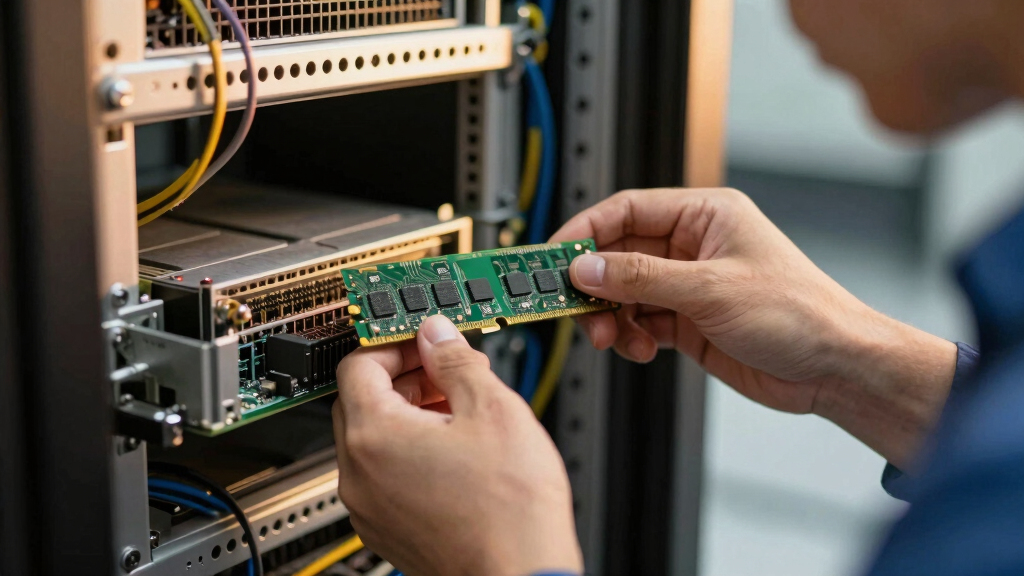
According to Meta, the company is reusing older RAM modules in its latest server models, which are typically discarded or repurposed due to compatibility issues with newer systems. To address this, Meta developed a custom bridge chip that enables these legacy RAM modules to function reliably within modern server architectures.
Sources familiar with Meta’s hardware strategy confirm that the bridge chip acts as an intermediary, translating signals and ensuring compatibility between the old RAM and the new server motherboard. This design choice allows Meta to extend the usable life of existing hardware components, potentially reducing procurement costs and e-waste.
Meta has not disclosed specific performance metrics or the total proportion of recycled RAM in its servers but emphasizes that the approach aligns with its sustainability goals. The company also states that initial testing shows the recycled RAM, when paired with the custom bridge chip, performs within acceptable parameters for data center operations.
Potential Cost Savings and Sustainability Benefits
This development could significantly lower hardware expenses for Meta, especially as data center infrastructure demands grow. Reusing existing RAM reduces the need for new component purchases and minimizes electronic waste, supporting sustainability initiatives. However, the long-term impact on server performance, reliability, and maintenance costs remains uncertain, and industry analysts are watching to see if this approach can be scaled effectively.
As an affiliate, we earn on qualifying purchases.
Meta’s Hardware Strategy and Recycling Initiatives
Meta has been increasingly focused on sustainable hardware practices, aiming to reduce environmental impact while managing rapid infrastructure expansion. Previously, the company has explored recycling and refurbishing components, but this marks one of the first publicly known instances of integrating recycled RAM into new server builds at scale.
The custom bridge chip development aligns with broader industry trends toward hardware adaptability and resource efficiency. It also reflects Meta’s efforts to innovate in data center design, balancing performance demands with cost and environmental considerations.
“Our new servers incorporate recycled RAM modules paired with a custom bridge chip, enabling us to optimize hardware utilization and support our sustainability commitments.”
— Meta spokesperson
custom bridge chip for server compatibility
As an affiliate, we earn on qualifying purchases.
As an affiliate, we earn on qualifying purchases.
Unconfirmed Impact on Server Performance and Longevity
It is not yet clear how the recycled RAM modules will perform over extended periods or under high load conditions. Meta has not disclosed detailed benchmarks or failure rates, and industry experts caution that compatibility issues could arise in large-scale deployment.
Further testing and real-world operation data are needed to assess whether this approach can be reliably scaled across Meta’s entire infrastructure.
As an affiliate, we earn on qualifying purchases.
Monitoring Performance and Expanding Recycling Efforts
Meta is expected to continue testing the recycled RAM modules in different server configurations. The company may also expand its use of recycled hardware components if initial results are positive. Industry observers will be watching for updates on performance metrics, durability, and cost savings as the initiative progresses.
Additional disclosures from Meta on the technical specifications and long-term testing outcomes are anticipated in the coming months.
server hardware compatibility tools
As an affiliate, we earn on qualifying purchases.
As an affiliate, we earn on qualifying purchases.
Key Questions
Why is Meta reusing old RAM modules?
Meta aims to reduce hardware costs and minimize electronic waste by recycling existing RAM modules, aligning with its sustainability goals.
What role does the custom bridge chip play?
The bridge chip acts as an interface, enabling old RAM modules to be compatible with new server architectures by translating signals and ensuring stable operation.
Will recycled RAM affect server performance?
It is currently unclear; initial testing indicates acceptable performance, but long-term reliability remains under evaluation.
Is this approach scalable for large data centers?
Scalability depends on ongoing testing results. If performance and reliability are confirmed, Meta may expand this practice across more servers.
Could this strategy influence the broader industry?
Yes, if successful, it could encourage other companies to adopt similar recycling and modular hardware strategies for cost savings and environmental benefits.
Source: hn
Halloween Picks
halloween
As an affiliate, we earn on qualifying purchases.