TL;DR

Get privacy and security gear delivered free with Prime
- Fast, free delivery on millions of items
- Prime Video, Amazon Music and more included
- Member-only deals all year
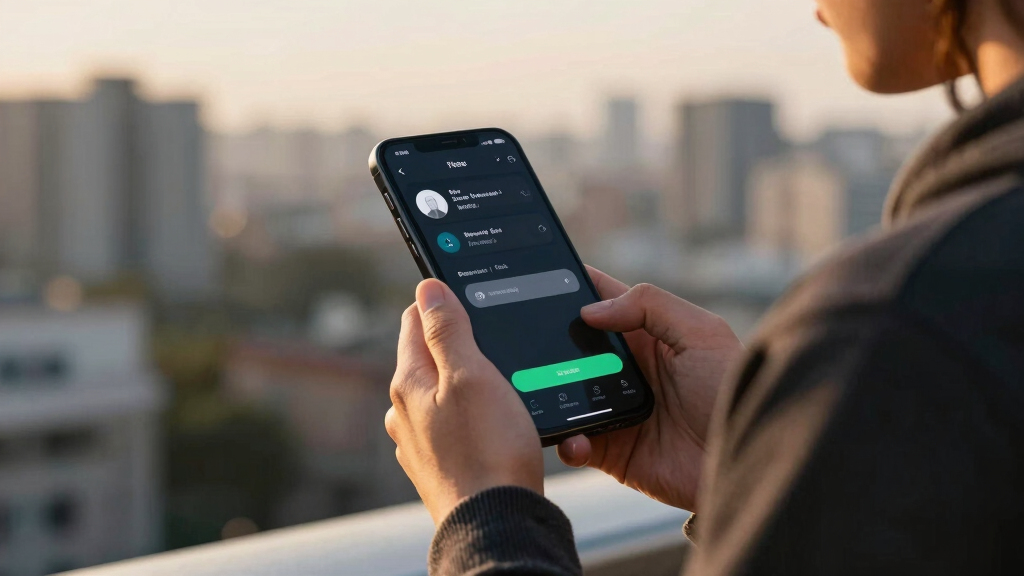
The US Secret Service has stopped using government-issued mobile phones for official operations due to security concerns. Agents rely on personal devices, raising cybersecurity risks. The move follows a government review highlighting vulnerabilities.
The US Secret Service has officially stopped using government-issued mobile phones for operational purposes, citing serious cybersecurity vulnerabilities and the widespread use of personal devices among agents. This shift underscores concerns over the security of official communications and data, and marks a significant change in agency policy.
A government review ordered after the 2024 assassination attempt against President Trump revealed that Secret Service agents frequently used personal cell phones during protective operations both in the US and overseas. The review found that government-furnished devices lacked sufficient security measures, making them vulnerable to cyberattacks by foreign adversaries and malicious actors. Investigators documented over 15,000 instances of agents using personal phones to communicate with colleagues, and identified 30 agents who claimed reimbursement for using personal devices during international travel. Despite policy prohibitions, agents relied heavily on personal phones for official tasks, including using personal hotspots and accessing blocked websites. The report recommended multiple security enhancements, including banning personal devices for official use and improving device management. The Secret Service has confirmed it will no longer permit the use of government-issued phones for operational purposes, citing these vulnerabilities as the primary reason.
Implications for National Security and Agency Operations
This development highlights critical cybersecurity vulnerabilities within the Secret Service, the agency responsible for protecting the President and other high-level officials. Relying on personal devices, which are less secure and harder to monitor, increases the risk of sensitive information being intercepted, manipulated, or leaked. The move may set a precedent for other agencies to reevaluate their mobile security policies, especially as cyber threats from foreign nations continue to evolve. For the President and other officials, this change aims to reduce the chances of adversaries gaining access to mission-critical information, but it also raises questions about operational flexibility and the challenges of enforcing device restrictions among agents.
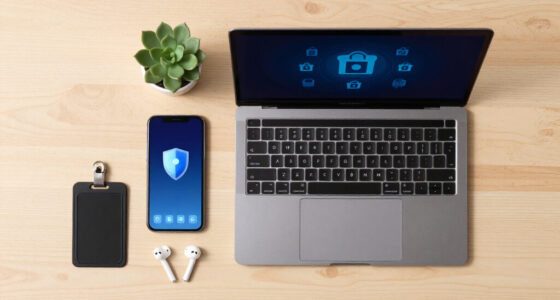
secure mobile phone for government officials
As an affiliate, we earn on qualifying purchases.
As an affiliate, we earn on qualifying purchases.
Background on Mobile Security Concerns in the Secret Service
The Secret Service has historically faced challenges in securing mobile communications, with previous reports indicating lax security practices and reliance on unsecured personal devices. The 2024 assassination attempt against President Trump prompted a federal review, exposing widespread use of personal phones during protective missions and insufficient security measures on government devices. Prior to this, the agency had begun installing mobile threat defense software only in August 2025 and frequently failed to wipe data from devices after international trips. These vulnerabilities have been known for years, but the recent review has accelerated efforts to overhaul policies and technology to better safeguard sensitive information.
“The Secret Service’s reliance on personal devices significantly increases cybersecurity risks and hampers our ability to protect sensitive information.”
— an anonymous government official
encrypted mobile device for sensitive communications
As an affiliate, we earn on qualifying purchases.
As an affiliate, we earn on qualifying purchases.
Remaining Questions About Implementation and Enforcement
It is still unclear how quickly the Secret Service will fully implement the ban on personal devices, how enforcement will be managed in practice, and whether agents will face operational challenges adapting to new security protocols. Details about ongoing monitoring and the timeline for rolling out enhanced security measures are also not yet confirmed.
cybersecurity phone for government use
As an affiliate, we earn on qualifying purchases.
As an affiliate, we earn on qualifying purchases.
Next Steps for Security Policy and Technology Upgrades
The Secret Service is expected to finalize its new policies banning personal device use and to accelerate the deployment of secure communication tools and device management systems. Future audits and reports will likely assess the effectiveness of these measures and their impact on operational security. Additionally, other agencies may review their own mobile practices in light of these developments.
personal device security software
As an affiliate, we earn on qualifying purchases.
As an affiliate, we earn on qualifying purchases.
Key Questions
Why did the Secret Service stop using government-issued phones?
The agency cited significant cybersecurity vulnerabilities, including the use of personal devices during operations and outdated security measures on official phones, as the main reasons for the change.
Will agents be allowed to use personal phones at all?
No, the new policy prohibits personal devices for official work to reduce cybersecurity risks and protect sensitive information.
What security improvements are planned?
The Secret Service plans to implement stricter device management, install mobile threat defense software, and enforce policies for wiping data after international trips.
Could this affect the agency’s operational efficiency?
There may be initial challenges as agents adapt to new protocols, but the goal is to enhance security without compromising operational effectiveness in the long term.
Are other government agencies following suit?
While not confirmed, this move could influence other agencies to review and tighten their mobile security policies.
Source: Google Trends
Halloween Picks
halloween
As an affiliate, we earn on qualifying purchases.