TL;DR

Get privacy and security gear delivered free with Prime
- Fast, free delivery on millions of items
- Prime Video, Amazon Music and more included
- Member-only deals all year
Ukraine’s Delta system is cited in the source material as an example of software-defined warfare, combining drone feeds, satellite imagery, sensors and vetted reports into a shared live battlefield map. The system’s browser-based access shows how software, data fusion and cloud resilience are affecting military command, while cyber, connectivity and verification risks remain unresolved.
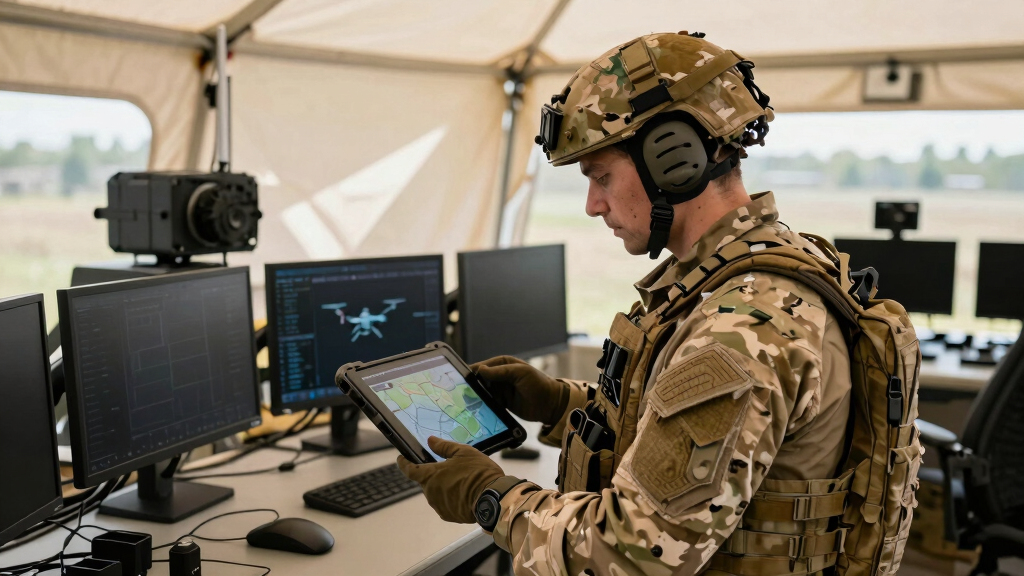
Ukraine’s Delta battlefield-management system is described in the source material as a real-world example of software-defined warfare, giving troops access through ordinary browsers to a fused map of drones, satellite imagery, sensors and vetted reports. The case illustrates how software and data fusion, alongside tanks, aircraft and missiles, are influencing command and targeting in modern war.
Delta is described in the source material as a situational-awareness and battlefield-management platform developed through a wartime coalition involving Aerorozvidka, Ukraine’s Defense Ministry and the Ministry of Digital Transformation. Its core function is to combine many battlefield inputs into one geolocated, real-time operating picture.
The system draws on commercial and military drones, satellite imagery, sensor networks, partner-country intelligence and vetted field reports, according to the source material. It also supports planning, coordination and secure sharing of enemy positions between units. The confirmed point is the platform’s role as a shared digital command layer; claimed performance figures, including the Ukrainian Defense Ministry’s reported 1,500 targets per day, have not been independently verified in the source material.
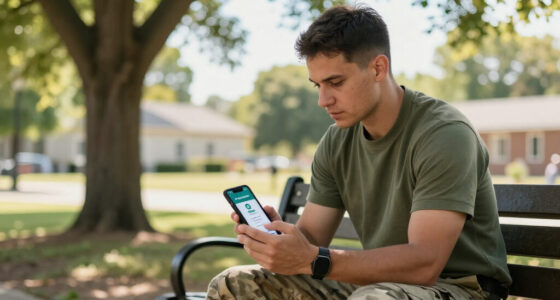
Delta runs through regular devices: phones, tablets, laptops and PCs using a browser. Its backend is described as cloud-native and deliberately hosted outside Ukraine to reduce the chance that a missile strike or domestic cyber disruption could disable it. That design prioritizes operational survivability under wartime pressure.
Software-defined warfare: how Ukraine’s Delta turned the battlefield into a shared, real-time map
A soldier opens a browser and sees the fused war — drones, satellites, sensors and vetted reports on one live map. The backend is a cloud deliberately hosted abroad so a missile can’t take it down. The clearest case yet of treating warfare as software.
Optical sensors go blind in cloud & dark; an all-weather SAR radar layer — the kind VigilSAR produces — slots into a picture like this as one resilient, sovereign input. vigilsar.com · And note the paradox: to survive missiles & cyberattack, Ukraine hosted its crown-jewel cloud outside its own borders — trading physical sovereignty for operational survivability. Resilience through distribution.
Delta’s lasting lesson isn’t a piece of software — it’s a model of how to build: commodity clients, cloud backend, open standards, relentless iteration, fusion over hardware, and resilience through distribution. It’s why a wartime NGO out-shipped procurement bureaucracies on a fraction of the budget. The platform mattered less than the picture — and the picture is software. Own the fusion layer, own the sovereign feeds into it, and get it to the edge.
Software Moves To The Front
Delta’s relevance comes from the model described in the source material: commodity devices at the edge, a cloud backend, open standards, fast iteration and a shared data layer. The source material contrasts this with older defense IT systems that are often hardware-bound, vendor-specific and slow to update.
For readers outside Ukraine, the case shows how battlefield advantage can be affected by the speed and reliability of seeing, sharing and updating information. A unit with a live map of enemy vehicles, drone feeds and sensor hits may shorten the time between detection and action. That compression can improve military coordination, but it also carries risks if data is wrong, compromised or acted on too quickly.
browser-based drone control tablet
As an affiliate, we earn on qualifying purchases.
As an affiliate, we earn on qualifying purchases.
From NATO Standards To Wartime Use
The source material links Delta’s roots to a 2017 NATO-related effort to break Soviet-style information silos and move toward shared command systems. A 2024 CSIS analysis by Kateryna Bondar used the phrase software-defined warfare to describe how Ukraine’s experience points to military power built around software, data and rapid adaptation.
The system’s wartime development also reflects Ukraine’s broader use of digital ministries, volunteer technologists and defense innovation units since Russia’s full-scale invasion in 2022. The source material says this structure helped Ukraine move at startup tempo, though that claim is an interpretation rather than a separately verified measurement.
As an affiliate, we earn on qualifying purchases.
Performance Claims Need Verification
Several points remain unclear or contested. The reported 1,500 targets per day figure is attributed to Ukraine’s Defense Ministry in the source material, but it is not independently verified. It is also unclear how often Delta directly contributes to successful strikes, how many units have full access, and how consistently the system performs under jamming, poor connectivity or cyber pressure.
The source material also identifies hazards that travel with the capability: phishing and malware threats, dependence on communications links, possible data poisoning from crowdsourced inputs and the escalation risks created by faster targeting cycles. Those risks are described as real concerns, but the available material does not quantify their battlefield impact.
As an affiliate, we earn on qualifying purchases.
Militaries Study Ukraine’s Model
The next issue is whether NATO members and other militaries adapt Delta’s lessons into their own procurement and command systems. The model points toward cloud-based fusion layers, resilient hosting, browser-accessible tools and faster software updates, while also requiring stronger defenses against cyber intrusion and bad data.
For Ukraine, Delta’s future will depend on connectivity, cyber resilience, trusted inputs and continued iteration. For outside observers, the platform is likely to remain a reference case for how wartime software can reshape command, surveillance and battlefield coordination.
battlefield management system software
As an affiliate, we earn on qualifying purchases.
As an affiliate, we earn on qualifying purchases.
Key Questions
What is Ukraine’s Delta system?
Delta is a Ukrainian battlefield-management and situational-awareness system that combines drones, satellite imagery, sensors, intelligence feeds and vetted reports into a shared live map for military users.
Why is Delta called software-defined warfare?
The label reflects the idea that software, data fusion and rapid updates can shape battlefield advantage as much as hardware platforms. Delta is cited as an example because it runs through ordinary browser-based devices while connecting many sources into one operating picture.
Is the 1,500 targets per day figure confirmed?
No. The source material says the 1,500 targets per day figure is a Ukrainian Defense Ministry claim and has not been independently verified in the provided material.
Why is Delta hosted outside Ukraine?
The source material says the backend is hosted abroad to make the system more resilient against missile strikes and cyber disruption inside Ukraine. That design improves survivability but raises questions about sovereignty, access and dependence.
What are the main risks?
The main risks cited are cyberattacks, phishing, malware, connectivity loss, jamming and bad data. A faster command system can also increase pressure to act quickly on information that may still need verification.
Source: Thorsten Meyer AI
Fall Picks
fall essentials
As an affiliate, we earn on qualifying purchases.