📊 Full opportunity report: The Memory Squeeze: Why Your RAM Bill Doubled on ThorstenMeyerAI.com — validation score, market gap, and execution plan.

Get privacy and security gear delivered free with Prime
- Fast, free delivery on millions of items
- Prime Video, Amazon Music and more included
- Member-only deals all year
TL;DR
RAM prices have doubled or more in 2026, driven by a strategic shift in chip manufacturing toward AI-focused memory like HBM. This has led to shortages and higher costs for consumers, with little immediate relief expected.
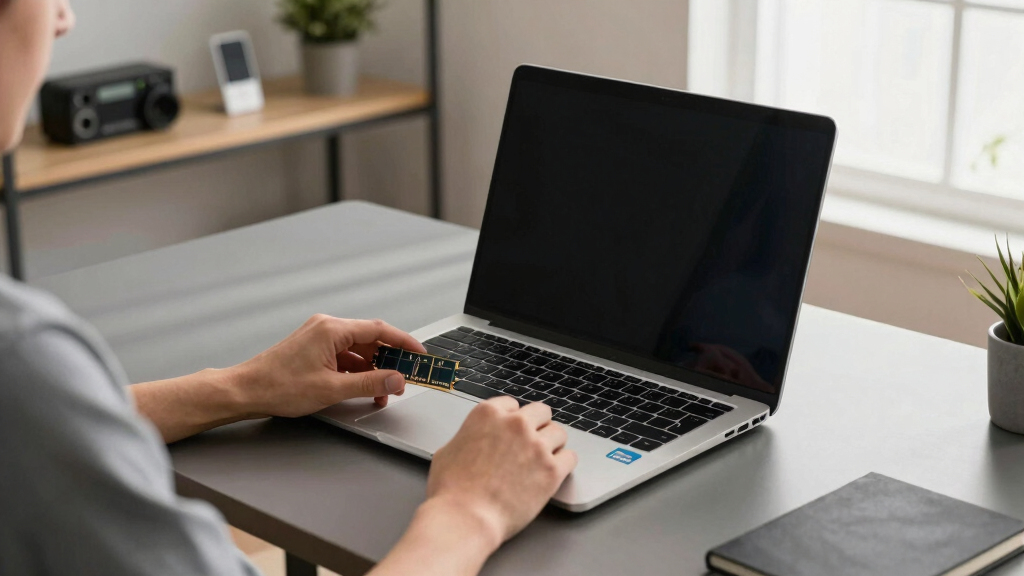
Memory prices have surged dramatically in 2026, with the cost of 32GB DDR5 kits increasing from about $80–$120 in 2025 to over $374.97 in June 2026, according to Tom’s Hardware. This sharp rise is driven by a fundamental shift in chip manufacturing priorities, making consumer RAM a less profitable segment for the industry.
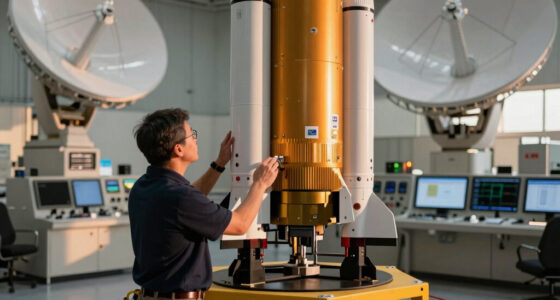
The primary cause of the price hike is a reallocation of manufacturing capacity by Samsung, SK Hynix, and Micron, which now prioritize producing High Bandwidth Memory (HBM) for AI accelerators over standard DDR5 RAM. This strategic shift is a key factor in the current market dynamics. HBM modules, selling for $60–$100 each, are far more profitable than DDR5 modules, which fetch only $5–$10. This shift is driven by economic incentives: HBM consumes three to four times the wafer area of DDR5, meaning each wafer dedicated to HBM reduces the total consumer DRAM output by three to four times.
As a result, around 23% of total DRAM wafer output now goes toward HBM, with AI applications expected to absorb about 20% of all DRAM capacity in 2026. This ongoing reallocation is not a temporary supply hiccup but a strategic choice by manufacturers to maximize margins, even as demand for consumer RAM continues to grow. For more on related industry shifts, see industry insights. The supply growth rate is also below historical norms, with IDC projecting only 16% growth in DRAM bits in 2026, while demand surges.
Major buyers like hyperscalers are placing open-ended orders, and companies such as Micron have locked significant portions of their inventory into multi-year contracts through 2030, reducing the availability of consumer RAM and further driving prices. This trend highlights the strategic nature of current supply chain decisions. This has led to notable market impacts, including the retirement of Micron’s Crucial brand, price hikes by Apple and other OEMs, and the appearance of counterfeit DDR5 modules.
Why your RAM bill doubled
“Doubled” is the polite version — consumer DRAM is running 3–6× its 2024 lows. The boom-bust cycle that always brought cheap RAM back isn’t coming this time, because the factories that make your RAM now make something far more profitable instead.
HBM
This is the quiet tax on the whole AI era. Relief isn’t forecast before 2028, and even then prices may settle 30–50% above pre-crisis levels. Buy what you genuinely need now; don’t panic-buy capacity you won’t use. You can’t out-wait the fab math — but, as this series will show, you can shrink what you need. Next: HBM Ate the Fab.
Impacts of the AI-Driven Memory Reallocation
This shift in manufacturing priorities has profound implications for consumers and the broader tech industry. Higher RAM prices increase the cost of building or upgrading PCs, laptops, and servers, potentially slowing hardware adoption and innovation. The scarcity also favors large enterprise buyers and hyperscalers, creating a less competitive market environment for consumers. Additionally, the move away from consumer-focused memory toward AI-optimized modules signals a long-term change in the chip manufacturing landscape, with potential ripple effects across the tech sector.
As an affiliate, we earn on qualifying purchases.
Background of the 2026 Memory Market Shift
Historically, memory shortages have been temporary, with prices falling after capacity expansions. However, the 2026 crisis differs because it stems from a strategic reallocation of wafer capacity toward AI applications. Samsung, SK Hynix, and Micron control approximately 95% of the DRAM market and have shifted their focus from consumer to enterprise and AI memory products, notably HBM, which commands higher margins.
Prior to 2026, RAM prices were relatively stable, with 32GB DDR5 kits costing around $80–$120. The rapid price escalation began in early 2026, with a nearly 90% increase in the first quarter alone, and has persisted due to the ongoing reallocation and supply constraints. The industry’s capacity expansion plans for 2027–2028 are not expected to alleviate shortages, as manufacturers prioritize high-margin products and maintain capacity discipline.
“Our focus remains on serving enterprise and AI markets, which offer higher margins, and this naturally affects supply for consumer products.”
— Micron spokesperson
As an affiliate, we earn on qualifying purchases.
Unresolved Questions About Market Dynamics
It remains unclear whether the current high prices are solely due to supply reallocation or if there is any element of collusion or market manipulation. While the industry denies collusion, the high market concentration and past antitrust issues raise questions about the true nature of the scarcity. Additionally, the pace at which new capacity will come online and whether prices will stabilize or continue rising are still uncertain.
As an affiliate, we earn on qualifying purchases.
Future Developments in Memory Supply and Pricing
Manufacturers plan to expand capacity in 2027–2028, but the impact on prices will depend on how quickly new fabs become operational and whether demand stabilizes. Buyers can expect ongoing high prices and shortages in the short term, with some relief possibly emerging in late 2028 or 2029. Industry analysts will closely monitor capacity expansion, contract negotiations, and AI market growth to assess the evolving supply landscape.
As an affiliate, we earn on qualifying purchases.
Key Questions
Why are RAM prices rising so sharply in 2026?
RAM prices are increasing because manufacturers are reallocating wafer capacity toward high-margin AI memory modules like HBM, reducing the supply of consumer DDR5 RAM. This strategic shift is driven by economic incentives and long-term market trends.
Will RAM prices go back down soon?
It is unlikely that prices will decrease significantly before capacity expansions in 2027–2028, as current supply constraints are driven by deliberate capacity reallocation rather than temporary shortages.
How does this affect consumers and PC builders?
Higher RAM prices increase the cost of building or upgrading PCs and laptops, and shortages may lead to delays or limited availability of certain memory modules.
Are these price increases due to collusion?
There is no confirmed evidence of collusion in 2026. The industry states that the price hikes are due to genuine supply constraints caused by strategic capacity reallocation toward AI memory, though market concentration raises ongoing questions.
Source: ThorstenMeyerAI.com
Columbus Day / Indigenous Peoples' Day Picks
long weekend sales
As an affiliate, we earn on qualifying purchases.