
TL;DR

Get privacy and security gear delivered free with Prime
- Fast, free delivery on millions of items
- Prime Video, Amazon Music and more included
- Member-only deals all year
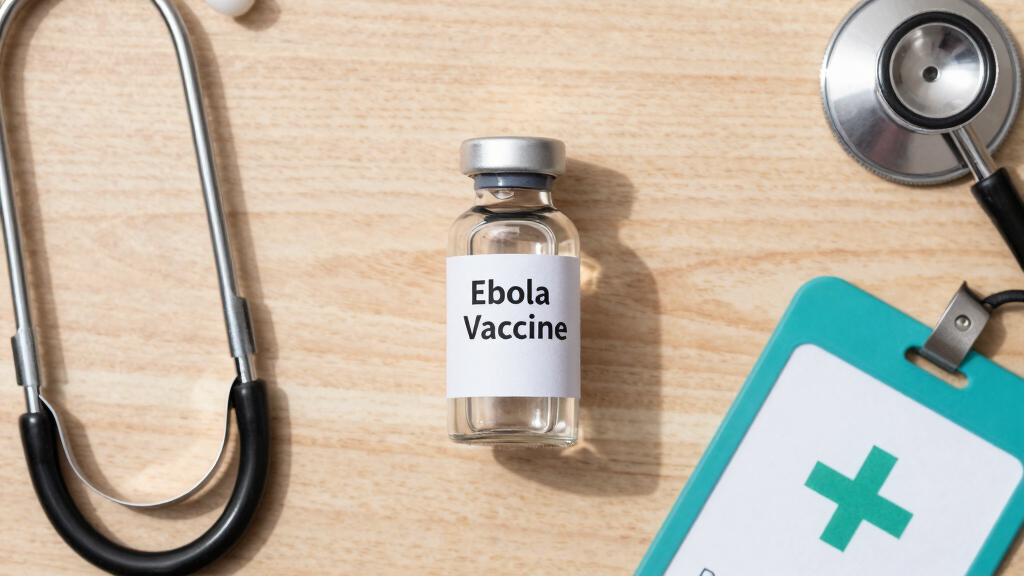
A vaccine developed in 2011 that protected primates from the Ebola Bundibugyo strain has yet to be tested in humans or deployed, despite ongoing outbreaks. Funding and market interest remain barriers.
The most promising Ebola vaccine developed in 2011 has not been tested in humans or used in outbreak responses, despite evidence of its effectiveness in primates and ongoing Ebola outbreaks in Africa.
Thomas Geisbert, a virologist at the University of Texas Medical Branch, developed a vaccine in 2011 that protected crab-eating macaques from the Bundibugyo strain of Ebola, which caused a deadly outbreak in Central Africa. Despite this success, the vaccine has not advanced to human trials or widespread deployment, largely due to lack of funding and commercial interest, as Geisbert states.
The vaccine, based on recombinant vesicular stomatitis virus (rVSV), has shown promising results in animal studies, including a 2023 study demonstrating protection even after exposure. The World Health Organization has identified Geisbert’s vaccine as the most promising candidate for outbreak response, but no progress has been made toward clinical trials. Meanwhile, Ebola continues to cause hundreds of infections and deaths in the Democratic Republic of Congo and Uganda, highlighting a significant gap in preparedness.
Why the 15-Year Delay in Deploying a Promising Ebola Vaccine Matters
The failure to move this vaccine into human trials or deployment means missed opportunities to contain current Ebola outbreaks more effectively. With the ongoing spread of Ebola in Africa, having an approved, proven vaccine could save lives and prevent the outbreak from escalating further. The situation underscores broader issues of funding, market incentives, and global health preparedness for neglected diseases.
As an affiliate, we earn on qualifying purchases.
Historical Development of Ebola Vaccines and Funding Challenges
Geisbert’s work began in the early 2000s, initially funded as a defense project amid fears of bioterrorism. His 2003 breakthrough demonstrated protection in monkeys, but commercial interest waned due to Ebola’s limited market and lower mortality rates for some strains like Bundibugyo. The 2013-2016 West Africa epidemic spurred increased vaccine development, leading to the approval of Merck’s Ervebo for the Zaire strain, but the Bundibugyo strain was excluded from initial efforts. Despite promising animal data, Geisbert’s vaccine has remained untested in humans, hindered by funding gaps and lack of commercial incentives.
“We’ve got the rVSV Bundibugyo vaccine sitting on the shelf.”
— Thomas Geisbert
As an affiliate, we earn on qualifying purchases.
Uncertainties Surrounding Human Trials and Deployment
It remains unclear when or if the vaccine will undergo human trials or be deployed in outbreak settings. Funding barriers and regulatory hurdles continue to impede progress, and there is no confirmed timeline for clinical development or approval.
viral vaccine storage containers
As an affiliate, we earn on qualifying purchases.
As an affiliate, we earn on qualifying purchases.
Next Steps for Ebola Vaccine Development and Outbreak Response
Efforts are underway to secure funding for manufacturing and testing the vaccine, including support from organizations like the Coalition for Epidemic Preparedness Innovations. Monitoring developments in outbreak responses and potential regulatory pathways will determine if this vaccine can be rapidly deployed in future Ebola emergencies.
outbreak response medical supplies
As an affiliate, we earn on qualifying purchases.
As an affiliate, we earn on qualifying purchases.
Key Questions
Why hasn’t the Ebola vaccine developed in 2011 been tested in humans?
The primary barriers are lack of funding and commercial interest, as there is no profitable market for the vaccine, despite its proven effectiveness in animals.
Could this vaccine have helped in current Ebola outbreaks?
Potentially, yes. If it had been tested and approved, it could have been used to contain outbreaks more effectively, possibly saving lives.
What are the main obstacles to deploying this vaccine now?
The main obstacles include regulatory approval processes, funding for manufacturing, and logistical challenges in outbreak regions.
Is there a risk that the vaccine is unsafe for humans?
As it has not undergone human trials, its safety profile in humans remains unconfirmed. Further testing is necessary before deployment.
What organizations are involved in advancing this vaccine?
The World Health Organization and the Coalition for Epidemic Preparedness Innovations are among those supporting efforts to develop and test the vaccine.
Source: WIRED
Columbus Day / Indigenous Peoples' Day Picks
long weekend sales
As an affiliate, we earn on qualifying purchases.