![The Coolest Anti-surveillance Tools At Defcon [Video]](https://vultrade.com/wp-content/uploads/2026/08/the-coolest-anti-surveillance-tools-at-defcon-video-featured-200x110.jpg)
📊 Full opportunity report: Trade And Supply-chain Operations Signal Monitor: Albany, Hudson Valley Face Heavy Rain As Storm Hits Northeast on IdeaNavigator AI — validation score, market gap, and execution plan.

Get privacy and security gear delivered free with Prime
- Fast, free delivery on millions of items
- Prime Video, Amazon Music and more included
- Member-only deals all year
TL;DR
A severe storm is causing heavy rain in Albany and Hudson Valley, disrupting local supply chains. Monitoring signals indicate potential operational impacts, highlighting the need for role-specific alerts.
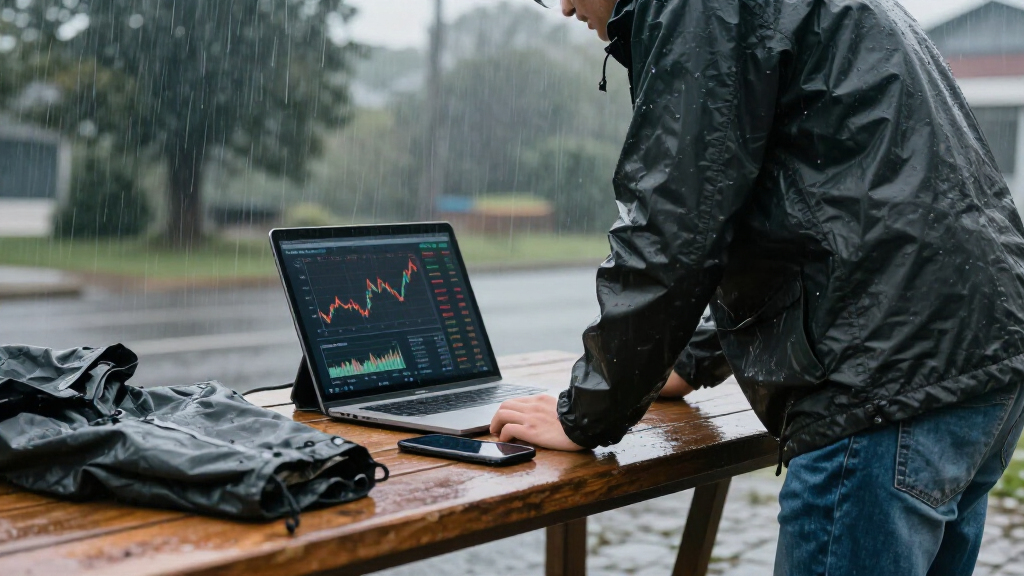
Heavy rain from a storm hitting the Northeast is impacting Albany and Hudson Valley, according to real-time monitoring signals. This development is significant for trade and supply-chain operations managers who need to assess potential disruptions immediately. The storm’s impact on regional logistics and trade flows underscores the importance of role-specific, timely intelligence in managing supply-chain risks.
Recent signals from a focused trade and supply-chain operations monitor indicate that Albany and Hudson Valley are experiencing heavy rainfall due to a storm moving through the Northeast. These signals, generated by analyzing data from Google Trends and other feeds, suggest a potential for operational disruptions in regional logistics, transportation, and trade activities.
According to sources familiar with the monitoring system, the signals are designed to filter geopolitical and trade developments that could affect supply chains at a local level. The storm’s severity and its timing have heightened concerns among supply-chain managers, who rely on early alerts to mitigate risks such as delays, inventory shortages, and transportation bottlenecks.
While weather forecasts confirm heavy rain and potential flooding in these areas, the direct impact on specific supply routes or trade flows remains to be fully assessed. No official reports of supply chain shutdowns or major disruptions have been confirmed yet, but the signals suggest that decision-makers should prepare for possible operational adjustments.
Impact of Northeast Storm on Regional Supply Chains
This storm’s impact on Albany and Hudson Valley highlights the importance of real-time, role-specific monitoring for supply-chain resilience. Early detection of weather-related disruptions allows operations managers to act swiftly, potentially avoiding costly delays and inventory issues. The development underscores the need for integrated weather and geopolitical signals to support supply-chain decision-making, especially during severe weather events.
supply chain disruption alert system
As an affiliate, we earn on qualifying purchases.
As an affiliate, we earn on qualifying purchases.
Regional Weather Events and Supply-Chain Preparedness
The Northeast has experienced increased storm activity in recent weeks, with heavy rainfall affecting multiple states. Historically, weather disruptions in Albany and Hudson Valley have led to delays in freight movement and supply chain bottlenecks. This latest storm follows a pattern of intensified weather events, which are increasingly challenging for regional logistics networks to manage without timely intelligence.
Trade and transportation officials have emphasized the importance of early warning systems, especially as supply chains become more complex and sensitive to weather and geopolitical factors. The monitoring signals used in this case are part of an emerging approach to filter and prioritize critical developments that directly impact operational decision-making.
weather monitoring for logistics managers
As an affiliate, we earn on qualifying purchases.
As an affiliate, we earn on qualifying purchases.
Extent of Disruption and Future Impact Unclear
It is not yet confirmed how severely the storm will impact specific supply routes or trade flows in the region. The extent of potential delays, infrastructure damage, or supply chain shutdowns remains uncertain, pending further assessments from local authorities and logistics operators.
cargo waterproof protective covers
As an affiliate, we earn on qualifying purchases.
As an affiliate, we earn on qualifying purchases.
Monitoring and Response Strategies Moving Forward
Supply-chain managers and logistics operators will continue to monitor weather updates and signals from the focused system. Authorities are expected to assess infrastructure impacts and issue official advisories. The next steps include coordinating response efforts, adjusting transportation plans, and updating risk assessments based on evolving weather conditions and signal data.
real-time supply chain monitoring tools
As an affiliate, we earn on qualifying purchases.
As an affiliate, we earn on qualifying purchases.
Key Questions
What specific supply chains are most at risk from this storm?
While specific routes and industries are not yet confirmed, regional logistics and transportation networks in Albany and Hudson Valley are most vulnerable to delays caused by heavy rain and potential flooding.
How reliable are the signals used to predict disruptions?
The signals are generated from analyzing real-time data sources like Google Trends and trade feeds, designed to prioritize developments that directly impact operations. While not infallible, they provide early alerts that improve decision-making.
Are there any official reports of supply chain shutdowns yet?
No official reports of major disruptions or shutdowns have been confirmed at this time. Authorities and logistics operators are still assessing the situation.
What should supply-chain managers do now?
Managers should review current weather forecasts, monitor real-time signals, and prepare contingency plans for potential delays or disruptions in the Albany and Hudson Valley regions.
Will this storm affect trade beyond the local region?
Potential regional impacts could ripple outward if delays occur at key transportation hubs. However, the immediate concern remains local, with broader effects depending on how long the storm persists.
Source: IdeaNavigator AI
Halloween Picks
halloween
As an affiliate, we earn on qualifying purchases.