
In an era where privacy is increasingly compromised, choosing the right search engine can make a big difference. For those who want to keep their searches private, options like DuckDuckGo stand out for their privacy policies. Meanwhile, advanced users interested in deep web research might prefer alternative search tools or comprehensive guides. This roundup highlights four key options, each with unique strengths and tradeoffs, helping you find the best private search solution based on your needs.

Get privacy and security gear delivered free with Prime
- Fast, free delivery on millions of items
- Prime Video, Amazon Music and more included
- Member-only deals all year
Key Takeaways
- DuckDuckGo remains the best straightforward privacy-focused search engine for everyday use.
- Deep web research tools like How to Find Anything Online? are suited for investigative or professional research, not casual browsing.
- Books like Google Power Search help boost search skills but don’t replace dedicated privacy tools.
- Choosing a private search engine depends on your balance between ease of use, privacy, and research depth.
- Most options have tradeoffs, such as limited technical details or lack of user reviews, so consider your priorities carefully.
| Invisible Search and Online Search Engines: The Ubiquity of Search in Everyday Life |  | Insightful analysis of search engine influence in society | Focus: Societal and technological impacts of search | Type: Analytical book | Target Audience: Academics, policy makers | VIEW LATEST PRICE | See Our Full Breakdown |
| Google Power Search: The Essential Guide to Finding Anything Online with Google | 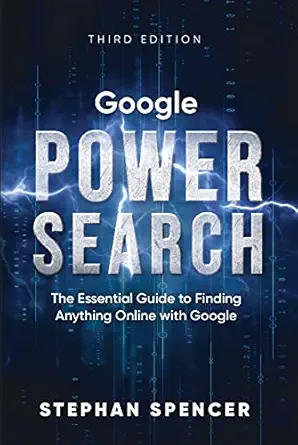 | Master advanced Google search techniques | Focus: Advanced Google search techniques | Type: Educational guide | Target Audience: Students, researchers, power users | VIEW LATEST PRICE | See Our Full Breakdown |
| How to Find Anything Online? – Alternative Search Engines and Deep Web Research | 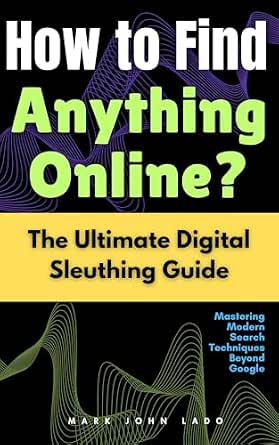 | Deep web investigation and alternative search strategies | Focus: Deep web research and alternative engines | Type: Research guide | Target Audience: Investigators, researchers | VIEW LATEST PRICE | See Our Full Breakdown |
| Why You Should Use DuckDuckGo as Your Search Engine Now! |  | Privacy-focused search engine advocacy | Focus: Privacy and unbiased results | Type: Advocacy article | Target Audience: Casual privacy users | VIEW LATEST PRICE | See Our Full Breakdown |
| private search engine | Focus | Type | Target Audience | Update Status |
|---|---|---|---|---|
| Invisible Search and Online Se | Societal and technological impacts of search | Analytical book | Academics, policy makers | N/A |
| Google Power Search: The Essen | Advanced Google search techniques | Educational guide | Students, researchers, power users | Potentially outdated |
| How to Find Anything Online? | Deep web research and alternative engines | Research guide | Investigators, researchers | Unknown |
| Why You Should Use DuckDuckGo | Privacy and unbiased results | Advocacy article | Casual privacy users | N/A |
More Details on Our Top Picks
Invisible Search and Online Search Engines: The Ubiquity of Search in Everyday Life
This book offers a comprehensive look at how search engines shape our daily information access, making it valuable for understanding the societal impact of search privacy. However, it doesn’t focus on technical privacy features or specific search tools, making it less practical for users seeking immediate privacy solutions. Compared with dedicated search engines, it provides more context than actionable privacy strategies, but it’s ideal for those interested in the broader implications of search privacy.
Pros:- Deep societal insights
- Broad analysis of search influence
- Good for understanding digital information flow
Cons:- Lacks technical details
- No user reviews or ratings
- No direct privacy features
Best for: Academics, policy makers, or anyone interested in societal impacts of search technology
Not ideal for: Casual users seeking quick, privacy-focused search options
- Focus:Societal and technological impacts of search
- Type:Analytical book
- Target Audience:Academics, policy makers
- Update Status:N/A
- Technical Details:None
- Publication Year:2025
Our verdict“Best suited for those wanting to understand the societal context behind search privacy rather than immediate practical use.”
Google Power Search: The Essential Guide to Finding Anything Online with Google
This guide makes a strong case for leveraging Google’s advanced search operators, useful for users who want to maximize their search efficiency. While it’s not a privacy tool, it complements private searching by sharpening your skills and reducing the need for invasive tracking. Compared to privacy-centric engines, it’s less about privacy and more about search mastery. It’s ideal for users who want to improve their search results, but it doesn’t address privacy concerns directly.
Pros:- Comprehensive search techniques
- Accessible for beginners
- Enhances search precision
Cons:- May be outdated if not the latest edition
- No privacy features
- Focuses solely on Google
Best for: Power users, students, researchers
Not ideal for: Users seeking privacy-first search options
- Focus:Advanced Google search techniques
- Type:Educational guide
- Target Audience:Students, researchers, power users
- Update Status:Potentially outdated
- Technical Details:Advanced search operators
- Published Year:2023
Our verdict“A valuable resource for improving search skills, but not suitable if privacy is your primary concern.”
How to Find Anything Online? – Alternative Search Engines and Deep Web Research
This book stands out for those who need to explore beyond surface-level search results, offering detailed methods for deep web research and alternative engines. It’s highly suitable for digital investigators or researchers who want to go beyond Google’s reach. However, its complexity and technical depth make it less suitable for casual users or beginners. Compared to simple privacy tools, this resource offers a comprehensive guide to mastering advanced search techniques, which can significantly enhance investigative efforts.
Pros:- In-depth strategies for deep web research
- Covers various alternative engines
- Useful for professional investigation
Cons:- Too advanced for beginners
- Lacks technical details about specific privacy tools
- No edition or update info
Best for: Investigators, researchers, digital sleuths
Not ideal for: Casual users or those new to online research
- Focus:Deep web research and alternative engines
- Type:Research guide
- Target Audience:Investigators, researchers
- Update Status:Unknown
- Technical Depth:High
- Publication Year:2024
Our verdict“Ideal for serious researchers looking to master deep web search techniques, but not for casual privacy seekers.”
Why You Should Use DuckDuckGo as Your Search Engine Now!
This concise advocacy piece makes a strong case for switching to DuckDuckGo as your primary search engine, emphasizing its commitment to privacy and unbiased results. Its straightforward approach makes it easy for users to understand the benefits of switching. However, it lacks technical details or in-depth comparisons with other privacy tools, which might leave some users wanting more specifics. Compared to the more comprehensive guides or investigative books, this is a quick, practical recommendation for privacy-minded users.
Pros:- Prioritizes user privacy
- Unbiased results
- Easy to adopt
Cons:- Limited technical details
- No user reviews or ratings
- Focuses mainly on advocacy
Best for: Everyday privacy-conscious users
Not ideal for: Power users needing advanced search techniques or deep web research
- Focus:Privacy and unbiased results
- Type:Advocacy article
- Target Audience:Casual privacy users
- Update Status:N/A
- Technical Details:Limited
- Publication Year:2024
Our verdict“Best for those seeking a simple, privacy-oriented switch without complex features.”

How We Picked
To select the best private search engines for 2026, I focused on tools that prioritize user privacy, offer clear benefits for different types of users, and have a tangible impact on search quality or research capabilities. I evaluated each choice based on its core role—whether as a privacy tool, a research aid, or an educational resource—and compared their features, user-friendliness, and limitations. I also considered how well each option serves distinct user needs, from casual privacy-conscious browsers to digital investigators. Since many products are books or guides, I prioritized their practical relevance and how well they complement or enhance private search capabilities, rather than superficial features or outdated information.
| private search engine | Focus | Type | Target Audience | Update Status |
|---|---|---|---|---|
| Invisible Search and Online Se | Societal and technological impacts of search | Analytical book | Academics, policy makers | N/A |
| Google Power Search: The Essen | Advanced Google search techniques | Educational guide | Students, researchers, power users | Potentially outdated |
| How to Find Anything Online? | Deep web research and alternative engines | Research guide | Investigators, researchers | Unknown |
| Why You Should Use DuckDuckGo | Privacy and unbiased results | Advocacy article | Casual privacy users | N/A |
Factors to Consider When Choosing Best Private Search Engines
Choosing the best private search engine depends on what you prioritize most—whether it’s straightforward privacy, advanced research capabilities, or improving your search skills. Each type of user has different needs, so understanding what each product offers will help you find the right fit. Here’s what to consider before making your choice.
Privacy vs. Research Depth
If privacy is your main concern, a dedicated privacy search engine like DuckDuckGo is the most straightforward choice. For those interested in deep web research or investigative tools, more advanced options like How to Find Anything Online? provide the necessary depth but come with a learning curve. Assess whether your priority is simple anonymity or comprehensive search capabilities.
Ease of Use vs. Technical Complexity
Some options, especially guides and technical books, are geared toward users who want to refine their search skills or conduct specialized research. These require more effort but offer greater control. Casual privacy seekers should lean toward simple, plug-and-play solutions like DuckDuckGo that require minimal setup.
Type of User
Think about your typical online behavior. If you browse casually with privacy concerns, DuckDuckGo is ideal. If you’re an investigator or researcher, consider the deeper tools and guides for deep web exploration. Understanding your own needs will lead to a more satisfying choice.
Frequently Asked Questions
Is DuckDuckGo truly private?
Yes, DuckDuckGo is designed with privacy as its core principle. It does not track your searches or store personal information, making it one of the most privacy-conscious options available. While no online tool can guarantee absolute anonymity, DuckDuckGo minimizes data collection and avoids personalized search result tracking.
Can these books and guides improve my privacy?
Many of these books, especially those focused on search techniques and deep web research, can help you understand how to use the internet more securely and effectively. While they don’t provide direct privacy features, they teach you how to leverage tools and strategies that enhance your confidentiality and research capabilities.
Are alternative search engines better for privacy than Google?
Generally, yes. Alternative search engines like DuckDuckGo and specialized tools focus on privacy, avoiding data collection and tracking practices common with Google. However, they may lack the extensive indexing and features of Google, so there’s often a tradeoff between privacy and search comprehensiveness.
Do I need technical expertise to use deep web research tools?
Yes, most deep web and alternative search strategies require some technical knowledge. These tools are designed for investigators or researchers who are comfortable with more complex procedures. Casual users seeking privacy or simple search solutions can stick to more straightforward engines like DuckDuckGo.
How do I switch to a private search engine?
Switching is usually as simple as installing a browser extension or changing your default search engine in browser settings. For mobile users, most private search engines can be set as default within the device’s search settings. The process is generally quick and well-documented for popular browsers like Chrome, Firefox, or Safari.
Conclusion
For everyday users prioritizing privacy without complexity, DuckDuckGo remains the best choice due to its simplicity and strong privacy stance. Investigators and advanced researchers should explore deep web tools and guides like How to Find Anything Online?, which unlock powerful search capabilities. Meanwhile, those aiming to improve their search skills can benefit from Google Power Search, provided they are comfortable with some technical learning. The right choice depends on your specific needs—whether privacy, research depth, or search proficiency—each offers a distinct advantage.
Halloween Picks
halloween
As an affiliate, we earn on qualifying purchases.