📊 Full opportunity report: Vertigo relief app on IdeaNavigator AI — validation score, market gap, and execution plan.

Get privacy and security gear delivered free with Prime
- Fast, free delivery on millions of items
- Prime Video, Amazon Music and more included
- Member-only deals all year
TL;DR
A new mobile app designed to guide adults with recurrent vertigo through repositioning maneuvers is in testing. It aims to improve self-treatment and reduce relapse, with potential adoption by clinics.
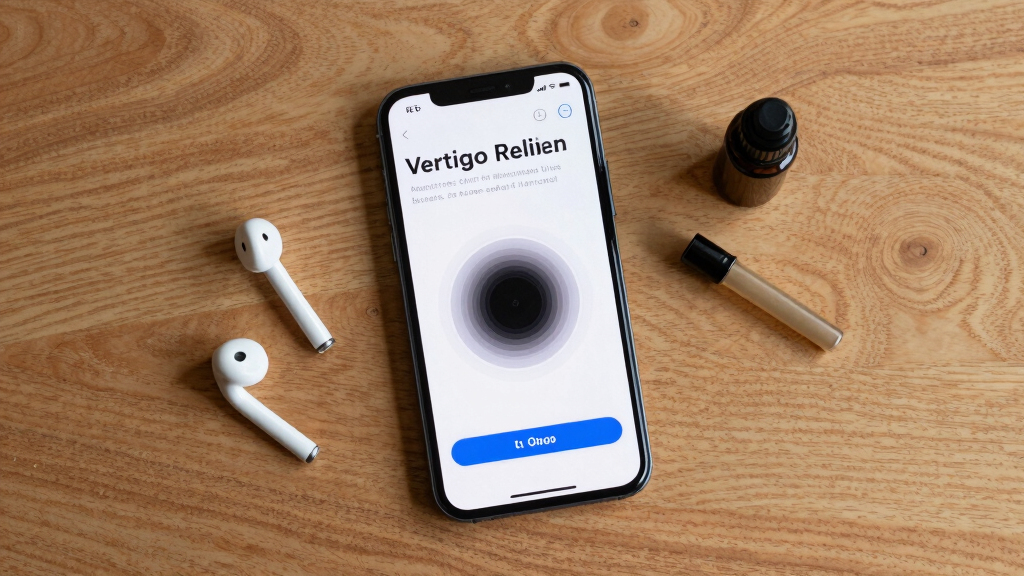
A vertigo relief app is being developed to assist adults suffering from benign paroxysmal positional vertigo (BPPV) in self-managing their symptoms at home. The app aims to provide guided repositioning maneuvers, symptom tracking, and recurrence coaching, potentially reducing the need for frequent clinic visits and improving patient outcomes. This innovative approach could revolutionize how patients manage vertigo at home.
The app is designed for Android and iOS devices and targets adults, especially women and older individuals, who experience recurrent BPPV episodes. To stay safe online while managing health apps, check out tips on avoiding scams related to health technology. Additionally, it logs dizziness episodes, triggers, and severity over time, offering users and clinicians valuable data for managing the condition.
Developers see this as a first step in a broader digital therapeutics market estimated at nearly USD 500 million in 2024, with growth expected to continue at about 13.5% annually through 2033. For more on digital health innovations, visit this AI market overview. The app will include a freemium model for consumers, offering basic maneuver guidance free of charge, with advanced features such as detailed tracking, history export, and reminders available via subscription. A separate B2B license model is also planned, allowing ENT clinics, audiologists, and physiotherapists to recommend or white-label the app for patient use between visits.
Potential Impact on Vertigo Self-Management
This app could significantly improve the self-treatment of BPPV, a common vestibular disorder affecting millions. By providing guided, real-time feedback, it may reduce incorrect self-treatment, lower relapse rates, and decrease wait times for specialist care. The integration into clinical workflows could also enhance remote patient monitoring and support, especially as telehealth adoption accelerates.
vertigo repositioning maneuver app
As an affiliate, we earn on qualifying purchases.
As an affiliate, we earn on qualifying purchases.
Growing Demand for Digital Vertigo Solutions
Benign paroxysmal positional vertigo (BPPV) is the most prevalent vestibular disorder, yet many sufferers face long delays before receiving specialized care. Traditional treatment involves manual repositioning maneuvers performed by clinicians, but patients often struggle to execute these maneuvers correctly at home without guidance, leading to repeated episodes and missed daily activities. The COVID-19 pandemic has accelerated a shift toward telehealth and digital health solutions, making remote management tools more viable. The market for digital vestibular rehabilitation platforms is expanding, with current estimates near USD 498 million in 2024 and strong growth projections.
“The app aims to guide users through maneuvers with real-time gyroscope feedback, improving self-treatment accuracy.”
— an anonymous researcher
As an affiliate, we earn on qualifying purchases.
Unconfirmed Aspects of App Deployment
It remains unclear how quickly the app will move from testing to wider release, or how healthcare providers will adopt it in clinical workflows. Details about regulatory approval, user acceptance, and long-term efficacy are still emerging. The scope of integration with existing telehealth services and insurance reimbursement models has not been finalized.
vestibular rehabilitation mobile app
As an affiliate, we earn on qualifying purchases.
As an affiliate, we earn on qualifying purchases.
Next Steps in App Validation and Adoption
Developers plan to launch a landing page and run targeted ads to validate user interest and engagement through signups and maneuver completion rates. Concurrently, they will pitch ENT clinics, audiologists, and physiotherapists to pilot the app with patients, measuring clinical interest and trial uptake. Further development will focus on refining features based on user feedback and securing regulatory clearances for broader deployment.
As an affiliate, we earn on qualifying purchases.
Key Questions
How does the app guide users through maneuvers?
The app provides animated step-by-step instructions, audio cues, and uses gyroscope sensors to give real-time head-position feedback, ensuring correct execution of repositioning maneuvers like the Epley.
Is the app a substitute for seeing a healthcare professional?
No. The app includes a disclaimer emphasizing it is not a substitute for medical advice. Users are advised to consult a clinician if they experience red-flag symptoms or persistent issues.
Will healthcare providers recommend this app?
Potentially. Developers are actively pitching ENT clinics, audiologists, and physiotherapists to incorporate the app into their patient care routines, especially for between-visit management.
When will the app be widely available?
It is currently in testing. A full release depends on successful validation, regulatory approval, and integration with clinical workflows, which are still in progress.
How will the app be monetized?
Through a freemium model for consumers, offering basic maneuver guidance for free and advanced features via subscription, and through licensing agreements with clinics for patient programs.
Source: IdeaNavigator AI
Columbus Day / Indigenous Peoples' Day Picks
long weekend sales
As an affiliate, we earn on qualifying purchases.