
TL;DR

Get privacy and security gear delivered free with Prime
- Fast, free delivery on millions of items
- Prime Video, Amazon Music and more included
- Member-only deals all year
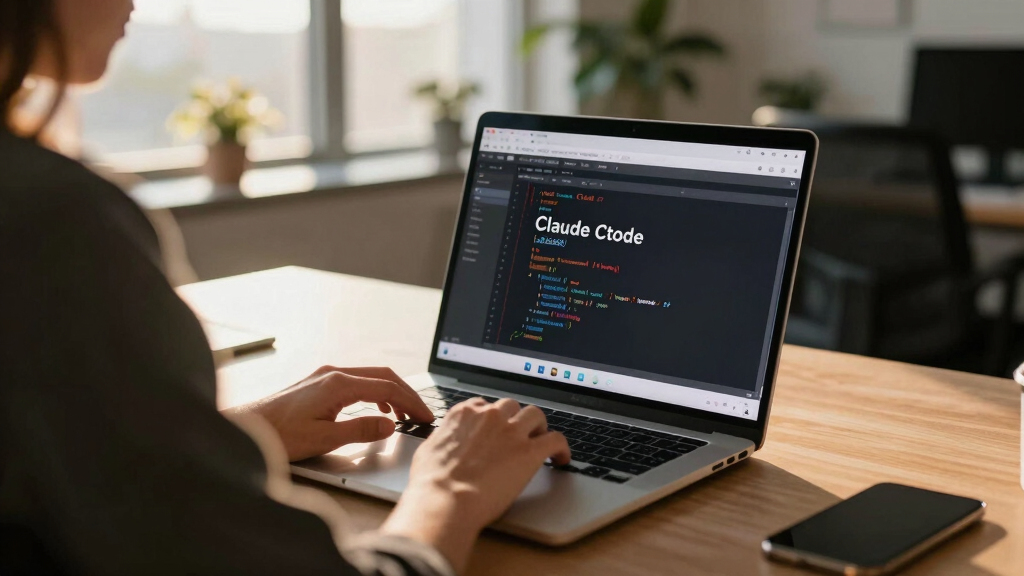
Alibaba is reportedly banning the use of Claude Code within its offices over fears of backdoor vulnerabilities. The decision underscores increasing scrutiny of AI security risks. Details remain unconfirmed publicly.
Alibaba is planning to ban the use of Claude Code in its workplaces over concerns about potential backdoor security vulnerabilities, according to sources. This decision, if confirmed, reflects heightened caution regarding AI tools and cybersecurity risks among major tech companies.
Sources familiar with the matter have indicated that Alibaba intends to restrict or eliminate the use of Claude Code, an AI coding assistant developed by Anthropic, within its corporate environment. The move reportedly stems from internal assessments suggesting that the tool may harbor backdoor vulnerabilities, which could pose security threats to proprietary data and systems.
While Alibaba has not officially announced the ban, multiple industry sources have confirmed that discussions are ongoing at the executive level. The company’s concern appears to be related to the possibility that AI models like Claude Code could be exploited to access sensitive information or introduce malicious code, although specific technical details have not been disclosed publicly.
Anthropic has not responded to requests for comment, and Alibaba has not issued a formal statement. The decision aligns with broader industry debates over AI safety and security, especially as companies increasingly integrate AI tools into their workflows.
Implications for Corporate AI Security Practices
This development highlights the growing emphasis on security risks associated with AI tools in corporate settings. If Alibaba enforces a ban on Claude Code, it could influence other companies to reassess their use of AI coding assistants and similar technologies, potentially leading to broader industry caution and stricter security protocols.
It also raises questions about the safety and trustworthiness of third-party AI solutions, especially those that process sensitive corporate data. The move underscores the importance of rigorous security evaluations before deploying AI tools in enterprise environments.
AI coding assistant security software
As an affiliate, we earn on qualifying purchases.
As an affiliate, we earn on qualifying purchases.
Rising Concerns Over AI Backdoor Vulnerabilities
Over the past year, there has been increasing scrutiny of AI models for potential security flaws, including backdoors that could be exploited by malicious actors. Major tech firms and cybersecurity experts have warned about the risks of integrating AI tools without proper safeguards.
Anthropic’s Claude, launched in 2023, has gained popularity as a coding assistant but has also faced questions regarding its security robustness. Alibaba’s reported decision reflects a broader trend of cautious adoption amid ongoing concerns about AI safety and data privacy.
Previous incidents involving AI vulnerabilities have prompted companies to review their policies, but specific backdoor risks related to Claude Code are still under internal assessment, and details remain undisclosed.
“Alibaba is considering banning Claude Code due to security concerns related to potential backdoors.”
— a source familiar with Alibaba’s decision
As an affiliate, we earn on qualifying purchases.
Details on the Backdoor Risks and Decision Timing
It is not yet clear whether Alibaba’s ban will be finalized or if it is still in the planning stage. Specific technical details about the alleged backdoor vulnerabilities in Claude Code have not been publicly disclosed. The timeline for implementation and whether other companies will follow suit remain uncertain.
AI backdoor vulnerability detection
As an affiliate, we earn on qualifying purchases.
As an affiliate, we earn on qualifying purchases.
Monitoring Official Statements and Industry Responses
Alibaba is expected to make an official statement soon, clarifying its stance and the scope of the ban. Industry observers will watch for any policy shifts or technical disclosures. Additionally, cybersecurity experts will likely scrutinize the security claims related to Claude Code and similar AI tools, influencing future corporate AI deployment strategies.
As an affiliate, we earn on qualifying purchases.
Key Questions
Why is Alibaba banning Claude Code?
According to sources, Alibaba is concerned about potential backdoor vulnerabilities in Claude Code that could pose security risks to its systems and data.
What are backdoors in AI models?
Backdoors are hidden vulnerabilities or malicious code inserted into AI models that could allow unauthorized access or manipulation by malicious actors.
Could this affect other companies’ use of AI coding tools?
Yes, if Alibaba’s concerns are validated, it may prompt other companies to reassess their AI tool security and consider similar restrictions or evaluations.
Has Alibaba officially confirmed the ban?
No, Alibaba has not issued an official statement; the decision is currently based on reports from sources familiar with the matter.
What is the significance of this move for AI security?
This move underscores the importance of security evaluations for AI tools, especially those handling sensitive information, and could influence industry standards and practices.
Source: hn
Columbus Day / Indigenous Peoples' Day Picks
long weekend sales
As an affiliate, we earn on qualifying purchases.