
📊 Full opportunity report: Pre-1980 Fixer-Upper Renovation Risks And How Pre-Demo Reports Help on IdeaNavigator AI — validation score, market gap, and execution plan.

Get privacy and security gear delivered free with Prime
- Fast, free delivery on millions of items
- Prime Video, Amazon Music and more included
- Member-only deals all year
TL;DR
A new approach offers pre-demo condition verdicts for pre-1980 fixer-upper homes, helping DIY buyers identify hidden hazards and costs before renovation. This could transform risk assessment in affordable housing markets.
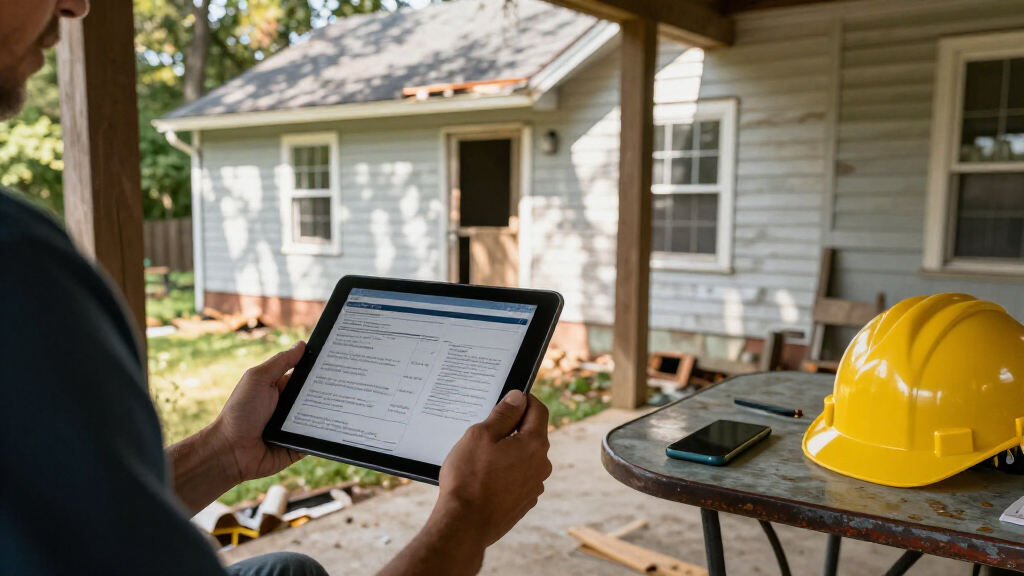
IdeaNavigator AI has launched a new service offering pre-demo condition verdicts for homes built before 1980, targeting DIY millennial buyers renovating fixer-uppers on weekends and savings. This service aims to help buyers identify potential hazards and costs before starting demolition, reducing the risk of unexpected expenses and delays.
The new workflow involves guided phone scans of key structural and utility components, such as electrical panels, crawlspaces, and supply lines, combined with mail-in testing kits for suspect materials like asbestos or lead paint. The process provides a wall-by-wall assessment of likely contents and opening costs, enabling buyers to make more informed buy-or-walk decisions before demolition begins.
According to IdeaNavigator AI, this approach is designed as a fixed-fee service, with an upsell option for contractor-matched remediation quotes. The goal is to validate the accuracy of predictions by comparing initial assessments against actual conditions exposed during demo, starting with a pilot of twenty homes.
Why Pre-Demo Assessments Are a Game-Changer for Buyers
These assessments could significantly reduce the financial and safety risks associated with renovating pre-1980 homes. Many older houses contain hidden hazards like asbestos, galvanized pipes, cloth-wrapped wiring, or deteriorated structural elements that only become apparent once walls are opened. For DIY buyers, especially millennials with limited experience and budget constraints, this new service offers a way to evaluate these risks remotely, saving time and money.
By providing early insights into potential hazards, the service aims to prevent costly surprises that can inflate renovation budgets—overruns that can reach tens of thousands of dollars, as seen in past cases. This approach could make older, affordable houses more accessible and less daunting for first-time or budget-conscious buyers, expanding the market for fixer-uppers in the current housing climate.
asbestos testing kit for home renovation
As an affiliate, we earn on qualifying purchases.
As an affiliate, we earn on qualifying purchases.
Growing Need for Risk Assessment in Aging Housing Stock
Most affordable starter homes in the United States now predate 1980, reflecting the aging of the housing stock. Traditionally, buyers relied on home inspections at the time of purchase, but these inspections often miss hazards hidden behind walls or beneath floors. As a result, many buyers face unexpected costs during or after demolition, sometimes totaling over $40,000 in overruns.
Recent technological advances, including remote guided phone scans and mail-in testing kits, are enabling new ways to assess these risks without requiring on-site inspections. These tools can identify materials like asbestos, lead paint, or deteriorated plumbing, providing a wall-by-wall hazard profile before demolition. This shift aims to make risk evaluation more accessible, especially for DIY buyers renovating on weekends and limited budgets.
lead paint test kit for old houses
As an affiliate, we earn on qualifying purchases.
As an affiliate, we earn on qualifying purchases.
Uncertainties Around Accuracy and Adoption of Pre-Demo Reports
It is not yet clear how accurately these remote assessments will predict actual hazards encountered during demolition, or how widely they will be adopted by DIY buyers and contractors. The pilot program aims to gather data on prediction accuracy and customer willingness to pay for these services, but results are still pending.
Additionally, regulatory or insurance industry acceptance of remote hazard assessments remains uncertain, which could influence their integration into standard renovation workflows.
As an affiliate, we earn on qualifying purchases.
Next Steps for Validating and Scaling Pre-Demo Assessments
The pilot program will involve selling twenty pre-demo verdicts to DIY buyers, then comparing predictions against actual conditions found during demolition. Success in this phase could lead to broader deployment and potential integration with existing home renovation platforms.
Further development may include refining the guided phone scan protocols, expanding the range of test kits, and establishing partnerships with contractors and insurers to formalize the use of remote pre-demo assessments in the renovation process.
DIY electrical panel inspection kit
As an affiliate, we earn on qualifying purchases.
As an affiliate, we earn on qualifying purchases.
Key Questions
How reliable are remote pre-demo assessments compared to on-site inspections?
Reliability is still being tested through pilot programs. Initial predictions aim to identify hazards like asbestos, lead paint, and deteriorated plumbing, but accuracy will be validated against actual conditions exposed during demo.
What materials can these assessments detect?
The assessments focus on hazardous and deteriorated materials common in pre-1980 homes, including asbestos, lead paint, galvanized pipes, cloth-wrapped wiring, and structural issues.
Will these services be affordable for DIY buyers?
Yes, the model is designed as a fixed-fee service, making it accessible for budget-conscious buyers renovating on weekends. Upsells for remediation quotes are optional.
Are there regulatory or insurance hurdles for remote hazard assessments?
Regulatory acceptance is still uncertain, and insurance companies may require further validation before fully endorsing remote assessments as part of the risk evaluation process.
When will this service be widely available?
The pilot program is launching soon, with broader availability depending on pilot results and industry acceptance. Full deployment could take several months to a year.
Source: IdeaNavigator AI
Fall Picks
fall essentials
As an affiliate, we earn on qualifying purchases.