
TL;DR

Get privacy and security gear delivered free with Prime
- Fast, free delivery on millions of items
- Prime Video, Amazon Music and more included
- Member-only deals all year
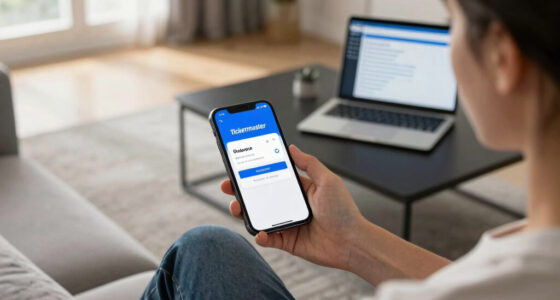
Hackers often leave subtle signs of compromise, such as unexpected password resets or unusual device behavior. Recognizing these early indicators can help prevent serious security breaches.
Security experts warn that hackers often leave behind subtle signs of compromise that can be easily overlooked. Recognizing these early indicators is crucial to preventing larger breaches and safeguarding personal information.
Recent cybersecurity analyses highlight nine common yet subtle signs that your accounts or devices may have been hacked. These include unexpected password reset requests, unrecognized login attempts, unusual device behavior, suspicious apps, increased spam, unexplained charges, and unfamiliar activity in your email or messaging accounts. Experts emphasize that while some signs may be benign, their presence warrants immediate action, such as changing passwords, reviewing account activity, and scanning devices for malware.
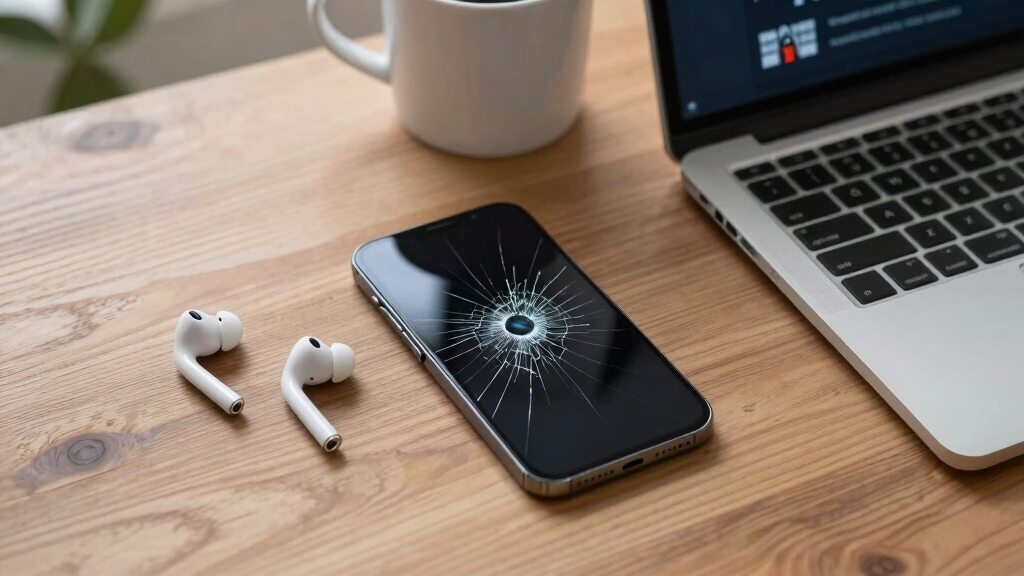
For example, if you receive password reset or 2FA requests that you did not initiate, it suggests someone else might be trying to access your accounts. Similarly, unusual device activity—like rapid battery drain, overheating, or unexpected pop-ups—can indicate malware infection. Recognizing these signs early can help users respond quickly, minimizing damage and preventing identity theft or data loss.
Why Early Detection of Account Breaches Is Critical
Identifying subtle signs of hacking early can prevent extensive damage, including identity theft, financial loss, and data breaches. Cybercriminals often operate quietly, and catching their activity in its initial stages can significantly reduce recovery costs and risks. Staying vigilant about these indicators empowers users to act swiftly and protect their digital lives.
hardware security key for multi-factor authentication
As an affiliate, we earn on qualifying purchases.
As an affiliate, we earn on qualifying purchases.
Recent Trends in Cybersecurity and User Awareness
Cyber threats continue to evolve, with hackers employing tactics like prompt bombing, phishing, and malware to gain access to personal accounts. Recent reports from cybersecurity firms indicate an increase in stealthy, low-profile attacks that aim to blend into normal activity, making early detection more important than ever. Users are advised to remain vigilant and regularly review their account activity and device health to catch potential breaches before they escalate.
“Recognizing these subtle signs early can make the difference between a minor inconvenience and a full-blown identity theft. Users need to stay alert to even small anomalies.”
— Emily Long, cybersecurity expert
As an affiliate, we earn on qualifying purchases.
What Remains Unclear About Hacking Indicators
While these signs are widely recognized by security professionals, it is still unclear how often average users can accurately distinguish between benign device issues and actual hacking attempts. Additionally, the effectiveness of certain detection methods, such as malware scans, varies depending on the sophistication of the threat and the tools used. Ongoing research is needed to better understand how to improve early detection for non-expert users.
As an affiliate, we earn on qualifying purchases.
Next Steps for Protecting Your Digital Security
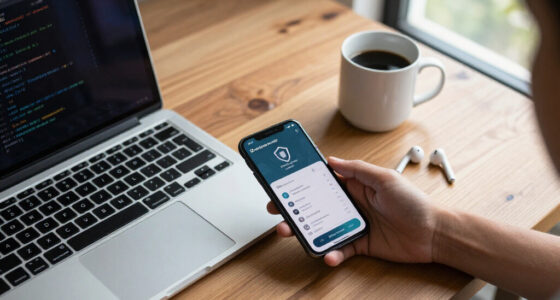
Users should implement strong, unique passwords and enable multi-factor authentication using hardware tokens or biometrics. Regularly reviewing account activity, updating device software, and running malware scans are essential. Experts recommend staying informed about emerging threats and utilizing monitoring tools like dark web alerts and account activity alerts to detect potential compromises early. If suspicious activity is identified, immediate action—such as changing passwords and contacting support—can mitigate damage.
password manager with breach alerts
As an affiliate, we earn on qualifying purchases.
As an affiliate, we earn on qualifying purchases.
Key Questions
How can I tell if my device has malware?
Signs include rapid battery drain, overheating, unexpected pop-ups, apps crashing, or increased data usage. Running a trusted malware scan and updating your software can help identify and remove malicious software.
What should I do if I suspect my account has been hacked?
Immediately change your passwords, enable two-factor authentication, review recent activity, and contact the service provider if necessary. Consider running malware scans on your devices and monitoring your financial statements for suspicious charges.
Are SMS-based two-factor authentication codes secure?
While better than no 2FA, SMS codes can be intercepted through methods like prompt bombing or phone spoofing. Using hardware security keys or biometric authentication offers stronger protection.
What are test charges on my credit card, and why are they dangerous?
Test charges are small transactions used by hackers to verify if stolen payment details still work. Unrecognized charges should be reported immediately and reviewed regularly to catch potential breaches early.
How often should I review my account activity?
It’s advisable to review your account activity weekly, especially for financial accounts, and set up alerts for unusual activity to detect potential breaches promptly.
Source: Lifehacker
Columbus Day / Indigenous Peoples' Day Picks
long weekend sales
As an affiliate, we earn on qualifying purchases.