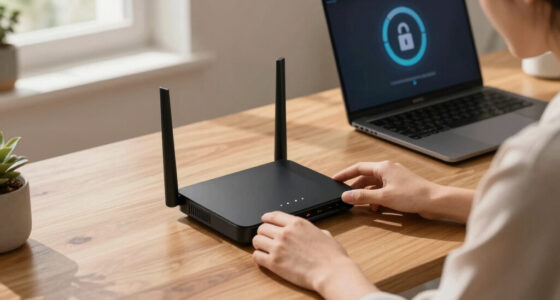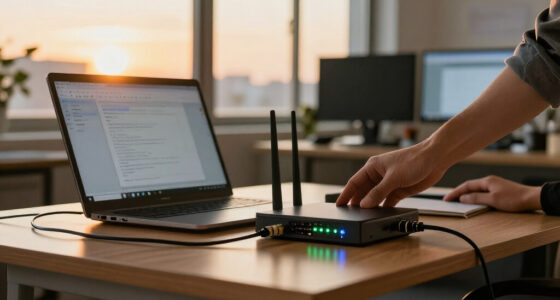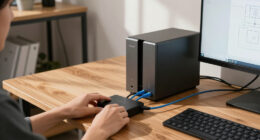

For most people, I recommend the Yubico YubiKey 5C NFC as the best overall hardware security key for online accounts: USB-C and NFC give it flexible access across compatible devices. The Yubico Security Key NFC is a simpler choice if you mainly need FIDO security over USB-A or NFC, while the Thetis Pro FIDO2 Security Key offers several connection types for mixed-device use. The main tradeoffs are connector compatibility, whether you need NFC or biometric sign-in, and how you will keep a spare key available. A key’s supported protocols and the services you use matter more than a long feature list. Read on for how all 14 options compare and which one fits your setup.

Get privacy and security gear delivered free with Prime
- Fast, free delivery on millions of items
- Prime Video, Amazon Music and more included
- Member-only deals all year
Key Takeaways
- Connection flexibility separates the leading options: the YubiKey 5C NFC pairs USB-C with NFC, while the Thetis Pro model with USB-A, USB-C, and NFC can suit a wider mix of ports.
- Simple FIDO-focused keys can be enough: the Yubico Security Key NFC and TrustKey T110 suit buyers who do not need extra connection formats or biometric sign-in.
- Business bundles change the backup equation: the Thetis Nano-C and USB-A two-packs provide a second key, but buyers still need to register and store it separately.
- Biometric convenience comes with a narrower fit: the YubiKey Bio C adds fingerprint sign-in, but users who prioritize NFC or broad device flexibility may prefer another model.
- Physical design has practical consequences: a rotating cover or compact body can help with carrying and connector protection, while bulkier multi-connector designs may be less convenient on a keyring.
| TrustKey T120 USB-C FIDO2 and U2F Security Key |  | Best Simple USB-C Pick | Brand and model: TrustKey T120 | Authentication standards: FIDO2, U2F | Connector: USB-C | VIEW LATEST PRICE | See Our Full Breakdown |
| Thetis Pro-C FIDO2 Security Key with USB-C and NFC |  | Best for Mixed Computer and Phone Use | Brand and model: Thetis MB000477 | Authentication: FIDO2, TOTP/HOTP | Connectivity: USB-C, NFC | VIEW LATEST PRICE | See Our Full Breakdown |
| Thetis Nano-C for Business FIDO2 USB-C Security Key, 2-Pack |  | Best Two-Key Backup Set | Brand and model: Thetis Nano C FIDO2 Security Key | Quantity: 2 keys | Interface: USB-C | VIEW LATEST PRICE | See Our Full Breakdown |
| Kensington VeriMark NFC+ USB-C Security Key |  | Best for Cross-Device Passkeys | Manufacturer and model: Kensington K64739WW | Connectivity: USB-C, NFC | Authentication: FIDO2, WebAuthn | VIEW LATEST PRICE | See Our Full Breakdown |
| Thetis FIDO2 and U2F Bluetooth Security Key, USB-A, Black |  | Best for Legacy USB-A and Mobile Access | Brand and model: Thetis MB000385 | Authentication protocols: FIDO2, U2F, HOTP | Connectivity: USB-A, Bluetooth Low Energy, NFC | VIEW LATEST PRICE | See Our Full Breakdown |
| Hirsch SecureKey USB-A NFC Security Key with FIDO2, U2F, and WebAuthn |  | Best for Protocol Flexibility | Connectivity: USB-A and NFC | Authentication protocols: FIDO2, U2F, WebAuthn, HOTP, PIV | Compatible operating systems: Windows, macOS, Linux, ChromeOS, Android, iOS | VIEW LATEST PRICE | See Our Full Breakdown |
| Yubico Security Key NFC, USB-A and NFC, FIDO Certified |  | Best for Straightforward FIDO Sign-In | Connectivity: USB-A and NFC | Protocols: FIDO2/WebAuthn, FIDO U2F | Passkey slots: 100 | VIEW LATEST PRICE | See Our Full Breakdown |
| TrustKey T110 FIDO2 and U2F USB-A Security Key |  | Best Basic USB-A Pick | Interface: USB-A | Authentication: FIDO2 and U2F; PIN and touch; non-biometric | Compatible operating systems: Windows, macOS, Linux | VIEW LATEST PRICE | See Our Full Breakdown |
| Yubico YubiKey 5C NFC Security Key |  | Best for Broad Protocol Support | Connectivity: USB-C and NFC | Supported protocols: FIDO2/WebAuthn, FIDO U2F, Yubico OTP, OATH-TOTP/HOTP, PIV smart card, OpenPGP | Passkey slots: 100 | VIEW LATEST PRICE | See Our Full Breakdown |
| Thetis Pro FIDO2 Security Key with USB-A, USB-C, and NFC |  | Best for Mixed-Port Devices | Connectors: USB-A and USB-C | Wireless authentication: NFC on compatible mobile devices | Authentication: FIDO2 | VIEW LATEST PRICE | See Our Full Breakdown |
| Thetis FIDO2 USB-A Security Key with Rotating Cover |  | Best for USB-A Simplicity | Interface: USB Type-A | Authentication: FIDO2, U2F, HOTP | Compatible operating systems: Windows, macOS, Linux, Chrome OS | VIEW LATEST PRICE | See Our Full Breakdown |
| Thetis Pro for Business FIDO2 Security Key with USB-A, USB-C, and NFC |  | Best for Multi-Device Flexibility | Certification: FIDO2 Level 1 | Authentication: FIDO2, passkeys, TOTP/HOTP | Connectivity: USB-A, USB-C, NFC | VIEW LATEST PRICE | See Our Full Breakdown |
| Yubico YubiKey Bio C FIDO Security Key |  | Best for Fingerprint Sign-In | Connector: USB-C | Protocols: FIDO2, FIDO U2F | Biometric: Fingerprint | VIEW LATEST PRICE | See Our Full Breakdown |
| Thetis FIDO2 Security Key, USB-A, 2-Pack |  | Best for Keeping a Backup Key | Quantity: 2 keys | Interface: USB 2.0, USB Type-A | Authentication: FIDO2, passkeys | VIEW LATEST PRICE | See Our Full Breakdown |
| hardware security keys for online account | Dimensions | Weight | Authentication | Color |
|---|---|---|---|---|
| TrustKey T120 USB-C FIDO2 and | 1.6 × 0.7 × 0.18 inches | 2.9 g | — | — |
| Thetis Pro-C FIDO2 Security Ke | 2.1 × 0.63 × 0.38 inches | 8.53 g | FIDO2, TOTP/HOTP | Black |
| Thetis Nano-C for Business FID | 0.73 × 0.60 × 0.30 inches | 14.2 g | FIDO2, TOTP/HOTP | — |
| Kensington VeriMark NFC+ USB-C | 2.01 × 0.63 × 0.2 inches | 0.176 ounces | FIDO2, WebAuthn | — |
| Thetis FIDO2 and U2F Bluetooth | — | — | — | Black |
| Hirsch SecureKey USB-A NFC Sec | — | 0.317 ounces | — | White |
| Yubico Security Key NFC | — | — | — | Black |
| TrustKey T110 FIDO2 and U2F US | 0.47 × 2.99 × 4.76 in | 3.1 g | FIDO2 and U2F; PIN and touch; non-biometric | Black |
| Yubico YubiKey 5C NFC Security | 0.15 × 0.7 × 1.77 inches | — | — | Black |
| Thetis Pro FIDO2 Security Key | 2.9 × 0.72 × 0.5 inches | 1 ounce | FIDO2 | — |
| Thetis FIDO2 USB-A Security Ke | 0.39 × 0.59 × 1.73 in | — | FIDO2, U2F, HOTP | Black |
| Thetis Pro for Business FIDO2 | 2.9 × 0.72 × 0.5 in | — | FIDO2, passkeys, TOTP/HOTP | Black |
| Yubico YubiKey Bio C FIDO Secu | 0.1 × 1.8 × 0.7 inches | 0.16 ounces | — | — |
| Thetis FIDO2 Security Key | 0.3 × 0.6 × 0.3 in (D × W × H) | 8.53 g | FIDO2, passkeys | — |
More Details on Our Top Picks
TrustKey T120 USB-C FIDO2 and U2F Security Key
The TrustKey T120 is a straightforward choice for buyers who want FIDO2 and U2F account protection without adding an app, battery, or biometric step. Plug it into a compatible USB-C device and confirm sign-in with a touch; a PIN adds another supported authentication option. Compared with the Thetis Pro-C, the T120 skips NFC and TOTP/HOTP codes, so it is less flexible for mobile use but also avoids those extra modes. It supports Windows, macOS, and Linux, along with major browsers, giving it a broad desktop role. Its key limitation is the connector: devices without USB-C need another solution. I’d choose it for uncomplicated USB-C login, but skip it if phone tapping or biometric authentication matters.
Pros:- Supports both FIDO2 and U2F for compatible services
- Touch confirmation and PIN provide non-biometric sign-in options
- Compatible with Windows, macOS, Linux, and major browsers
- Lightweight body measures 1.6 × 0.7 × 0.18 inches
Cons:- USB-C connection limits use with devices that lack that port
- No NFC support for tap-based mobile authentication
- Does not offer biometric authentication
Best for: People who mainly sign in on USB-C computers and want a simple FIDO2/U2F key for compatible online accounts.
Not ideal for: Buyers who need NFC for phone sign-ins, a USB-A connector, or biometric authentication.
- Brand and model:TrustKey T120
- Authentication standards:FIDO2, U2F
- Connector:USB-C
- Authentication method:PIN and touch; non-biometric
- Compatible systems:Windows, macOS, Linux
- Compatible browsers:Chrome, Firefox, Edge, and other major browsers
- Dimensions:1.6 × 0.7 × 0.18 inches
- Weight:2.9 g
Our verdict“Choose the T120 for uncomplicated FIDO2 and U2F sign-ins on USB-C computers, but pick the Thetis Pro-C if NFC is part of your routine.”
Thetis Pro-C FIDO2 Security Key with USB-C and NFC
The Thetis Pro-C earns its place for people who want one key to cover USB-C computers and NFC-capable mobile devices. It supports FIDO2 sign-ins as well as TOTP/HOTP codes, giving it more authentication options than the TrustKey T120, which is limited to FIDO2 and U2F over USB-C. The rotating metal cover protects the connector when the key travels on a ring, and battery-free operation means there is no charging routine. That flexibility comes with a service-compatibility caveat: the account provider must support hardware keys or the relevant code method. Device support also varies, including limits for some Linux distributions. I’d pick it over the T120 for a mixed-device routine, but not if you only need a basic desktop key.
Pros:- Combines FIDO2 with TOTP/HOTP authentication options
- Offers both USB-C and NFC connectivity
- Rotating metal cover helps protect the connector while carried
- Runs without batteries or a network connection
Cons:- Each intended service must support the relevant hardware-key or code method
- Compatibility with Linux is limited to specified distributions
- At 8.53 g, it is heavier than the TrustKey T120
Best for: People who use compatible USB-C computers and NFC-capable phones and want FIDO2 plus TOTP/HOTP options in one carryable key.
Not ideal for: Buyers whose accounts do not support hardware security keys, or who need guaranteed compatibility across every Linux distribution.
- Brand and model:Thetis MB000477
- Authentication:FIDO2, TOTP/HOTP
- Connectivity:USB-C, NFC
- Compatible devices:Windows, macOS, Linux, Chrome OS, Android, iPhone
- Power:No batteries required
- Dimensions:2.1 × 0.63 × 0.38 inches
- Weight:8.53 g
- Color:Black
Our verdict“Pick the Thetis Pro-C if you need both computer and NFC phone access, while the TrustKey T120 is the simpler fit for USB-C desktops alone.”
Thetis Nano-C for Business FIDO2 USB-C Security Key, 2-Pack
This two-key set is aimed at buyers who want a spare security key ready rather than relying on one key as the only route back into protected accounts. Both keys support FIDO2 passkeys and MFA through USB-C, with TOTP/HOTP features available through the Thetis Manager App. That gives it a different advantage from the Kensington VeriMark NFC+, which adds NFC and an IP68 rating but is a single key. The Nano-C works with compatible USB-C PCs, Macs, iPhones, and Android devices, though NFC is absent, so phone use depends on a suitable USB-C connection. Its FIDO2 Level 1 certification and Windows Hello enterprise requirement also make it a less universal business choice than the certification label may suggest. I’d favor it for backup coverage, not tap-based access.
Pros:- Includes two keys, allowing a separate backup to be registered
- Supports FIDO2 passkeys and MFA
- TOTP/HOTP features are available through the Thetis Manager App
- Compatible with USB-C PCs, Macs, iPhones, and Android devices
Cons:- No NFC for tap-based sign-ins
- FIDO2 Level 1 does not meet services requiring FIDO2 Level 2, including ID Austria
- Windows Hello login requires a supported Windows Enterprise edition
Best for: Small teams or individual account holders who want a primary USB-C key and a second registered backup for compatible services.
Not ideal for: People who need NFC phone access, ID Austria compatibility requiring FIDO2 Level 2, or Windows Hello on non-Enterprise editions.
- Brand and model:Thetis Nano C FIDO2 Security Key
- Quantity:2 keys
- Interface:USB-C
- Authentication:FIDO2, TOTP/HOTP
- Compatibility:USB-C PCs, Macs, iPhones, and Android devices
- Certification:FIDO2 Level 1
- Dimensions:0.73 × 0.60 × 0.30 inches
- Weight:14.2 g
Our verdict“Choose this set if backup coverage matters more than NFC, and consider the Kensington VeriMark NFC+ if tap-to-authenticate support is a priority.”
Kensington VeriMark NFC+ USB-C Security Key
The Kensington VeriMark NFC+ suits buyers who want one FIDO2 key for USB-C and NFC sign-ins, including compatible Apple ID accounts. FIDO CTAP 2.1 support, backward compatibility with CTAP 2, and FIDO2 Level 2 certification give it a strong standards-focused profile for phishing-resistant authentication. Its IP68 rating adds a practical layer of protection for a key carried daily, a point that sets it apart from the Thetis Nano-C two-pack, which offers a backup key but no NFC. The Kensington is also compatible with Windows, macOS, iOS, Android, and ChromeOS. The tradeoff is that advanced management may require optional Kensington software, and buyers seeking two registered keys will need to look beyond this single-key option.
Pros:- Supports USB-C and NFC authentication
- FIDO2 Level 2 certification and CTAP 2.1 support
- Works with passkeys and compatible Apple ID accounts
- IP68 rating and compact, keychain-ready form
Cons:- Advanced management features may require optional Kensington software
- Single-key purchase provides no immediate spare
- Requires compatible services and devices for passkey or NFC sign-in
Best for: People who use compatible Apple ID and other passkey-enabled accounts across USB-C computers and NFC-capable mobile devices.
Not ideal for: Buyers who want a two-key backup set or who need advanced management features without optional software.
- Manufacturer and model:Kensington K64739WW
- Connectivity:USB-C, NFC
- Authentication:FIDO2, WebAuthn
- Protocol:FIDO CTAP 2.1; backward compatible with CTAP 2
- Compatibility:Windows, macOS, iOS, Android, ChromeOS
- Ingress protection:IP68
- Dimensions:2.01 × 0.63 × 0.2 inches
- Weight:0.176 ounces
Our verdict“Choose the VeriMark NFC+ for standards-focused USB-C and NFC passkey access, while the Thetis Nano-C set is better if you want a ready-to-register spare.”
Thetis FIDO2 and U2F Bluetooth Security Key, USB-A, Black
The Thetis Bluetooth model is the lineup’s fit for buyers who still rely on USB-A computers but also want mobile connectivity through Bluetooth or NFC. It supports FIDO2 passwordless authentication, U2F, and HOTP, giving it broader authentication options than the USB-C-only TrustKey T120. Its rotating aluminum cover protects the USB connector in a bag or on a keychain. That flexibility is not universal, though: FIDO2 does not support Mac login, and Windows Hello access is limited to enterprise users with Azure Active Directory. Compared with the USB-C-and-NFC Kensington VeriMark NFC+, this key adds Bluetooth and USB-A but has more platform-specific caveats. I’d choose it when those older ports or Bluetooth phone connections are needed; otherwise, a newer USB-C option may be simpler.
Pros:- Supports FIDO2, U2F, and HOTP authentication
- USB-A, Bluetooth Low Energy, and NFC provide several connection options
- Bluetooth and NFC support mobile connections on compatible iOS and Android devices
- Rotating aluminum cover protects the USB connector
Cons:- FIDO2 does not support Mac login
- Windows Hello access is limited to enterprise users with Azure Active Directory
- USB-A may require an adapter for newer USB-C-only computers
Best for: People with USB-A computers who also need Bluetooth or NFC authentication for compatible iPhone and Android services.
Not ideal for: Mac users seeking FIDO2 for local computer login, or non-enterprise Windows users who need Windows Hello access.
- Brand and model:Thetis MB000385
- Authentication protocols:FIDO2, U2F, HOTP
- Connectivity:USB-A, Bluetooth Low Energy, NFC
- Compatibility:Windows, macOS, Linux, iOS, Android
- Connector protection:Rotating aluminum cover
- Color:Black
- Warranty:1 year
Our verdict“Pick this Thetis key if USB-A and Bluetooth mobile access are both useful, but choose the Kensington VeriMark NFC+ for a cleaner USB-C and NFC setup.”
Hirsch SecureKey USB-A NFC Security Key with FIDO2, U2F, and WebAuthn
The Hirsch SecureKey is a strong fit for buyers who need more than a basic passkey key: alongside FIDO2, U2F, and WebAuthn, it supports HOTP and PIV, giving it a broader authentication toolkit than the Yubico Security Key NFC. Its USB-A and NFC options cover older computers and compatible mobile devices, while SecureKey Manager adds PIN and device management. Compatibility spans major desktop and mobile operating systems, though individual account services still need to support the chosen method. The tradeoff is that its extra protocols matter most in mixed personal or workplace environments; someone seeking a simple FIDO sign-in device may find the Yubico Security Key NFC more straightforward. You’ll also need a separately registered backup key to reduce lockout risk.
Pros:- Supports FIDO2, U2F, WebAuthn, HOTP, and PIV
- Offers both USB-A and NFC authentication
- Compatible with Windows, macOS, Linux, ChromeOS, Android, and iOS
- Includes SecureKey Manager for PIN and device management
Cons:- A second key must be purchased and registered separately for backup
- Extra protocols are useful only when the account or organization supports them
- Requires a compatible USB-A port or NFC-capable device
Best for: People managing accounts across different services who need FIDO sign-in plus HOTP or PIV support and use USB-A or NFC devices.
Not ideal for: Buyers who want a minimal FIDO-only key, or anyone who expects a backup key to be included.
- Connectivity:USB-A and NFC
- Authentication protocols:FIDO2, U2F, WebAuthn, HOTP, PIV
- Compatible operating systems:Windows, macOS, Linux, ChromeOS, Android, iOS
- Management:SecureKey Manager for PIN and device management
- Certification and compliance:FIDO Alliance-certified; TAA compliant
- Weight:0.317 ounces
- Color:White
Our verdict“Choose the Hirsch SecureKey if you need broad protocol support and USB-A plus NFC, but pick a simpler FIDO key if those extra methods would go unused.”
Yubico Security Key NFC, USB-A and NFC, FIDO Certified
The Yubico Security Key NFC keeps its job focused: it provides FIDO2/WebAuthn and U2F sign-in over USB-A or NFC, without asking buyers to manage extra authentication modes. That makes it a more direct choice than the Hirsch SecureKey, which adds HOTP and PIV for people who need broader protocol support. Compatibility with services including Google, Microsoft, and Apple helps make it a practical pick for common online accounts, and its water-resistant, crush-resistant build suits a key carried daily. It needs no battery or internet connection. The narrower feature set is also its main limitation: it lacks one-time-password support and does not work with the Yubico Authenticator App. Choose it for phishing-resistant account sign-in, not as a multipurpose credential device.
Pros:- Supports FIDO2/WebAuthn and FIDO U2F
- Connects through USB-A or NFC
- Water-resistant and crush-resistant construction
- Needs no battery or internet connection
Cons:- Does not support one-time passwords
- Not compatible with the Yubico Authenticator App
- Offers fewer authentication protocols than the Hirsch SecureKey or YubiKey 5C NFC
Best for: People who primarily protect mainstream Google, Microsoft, or Apple accounts and want a durable USB-A and NFC FIDO key.
Not ideal for: Users who need one-time passwords, smart-card functions, or compatibility with the Yubico Authenticator App.
- Connectivity:USB-A and NFC
- Protocols:FIDO2/WebAuthn, FIDO U2F
- Passkey slots:100
- Supported services:Includes Google, Microsoft, and Apple
- Durability:Water-resistant and crush-resistant
- Power and network:No battery or internet connection required
- Color:Black
Our verdict“Pick this Yubico when you want durable, simple FIDO sign-in for common accounts and do not need OTP or broader protocols.”
TrustKey T110 FIDO2 and U2F USB-A Security Key
The TrustKey T110 is the no-frills choice here: it pairs FIDO2 and U2F with PIN and touch authentication, avoiding the broader protocol menu of the Hirsch SecureKey or YubiKey 5C NFC. For someone protecting compatible accounts from phishing through a computer with a USB-A port, that focused setup can be easier to match to a specific need. It supports Windows, macOS, and Linux, plus major browsers such as Chrome, Firefox, and Edge. The key has no biometric sensor, so PIN and touch—not a fingerprint—are the interaction methods. It also lacks NFC and USB-C, making it less adaptable for modern phones and laptops than the Yubico Security Key NFC or Thetis Pro. Check your device ports and account support before choosing it.
Pros:- Supports FIDO2 and U2F authentication
- Uses PIN and touch authentication
- Compatible with Windows, macOS, and Linux
- Works with Chrome, Firefox, and Edge
Cons:- USB-A only, with no NFC or USB-C option
- Does not include biometric authentication
- Less versatile than keys that support additional protocols such as HOTP or PIV
Best for: Desktop and laptop users with USB-A ports who want basic FIDO2/U2F protection and PIN-plus-touch authentication.
Not ideal for: Phone-first users, people with only USB-C devices, or buyers who need NFC or biometric authentication.
- Interface:USB-A
- Authentication:FIDO2 and U2F; PIN and touch; non-biometric
- Compatible operating systems:Windows, macOS, Linux
- Compatible browsers:Chrome, Firefox, Edge
- Weight:3.1 g
- Dimensions:0.47 × 2.99 × 4.76 in
- Color:Black
Our verdict“Choose the T110 for straightforward FIDO protection on a USB-A computer, but choose an NFC or USB-C model for broader device coverage.”
Yubico YubiKey 5C NFC Security Key
For buyers who want one key to cover several kinds of account and device authentication, the YubiKey 5C NFC offers the broadest protocol mix among these five: FIDO2/WebAuthn, U2F, OTP, PIV smart card, and OpenPGP. USB-C fits newer laptops and compatible devices, while NFC adds a way to authenticate on supported mobile hardware. Compared with the more focused Yubico Security Key NFC, this model can serve needs beyond FIDO sign-in; compared with the Hirsch SecureKey, it adds USB-C and OpenPGP support. That breadth is useful only if your services or workplace systems call for it, and checking compatibility matters before relying on each protocol. It needs no battery or internet connection and has a water-resistant, crush-resistant build. Registering a spare key is still wise to guard against lockout if the main one is lost.
Pros:- Supports FIDO2/WebAuthn and U2F plus OTP, PIV, and OpenPGP
- Combines USB-C and NFC authentication
- Water-resistant and crush-resistant
- Works without batteries or an internet connection
Cons:- USB-A is not included, so older computers may need an adapter
- A spare key is recommended to reduce account lockout risk
- Some protocols require compatible services or systems to be useful
Best for: People with USB-C devices who need FIDO sign-in alongside OTP, PIV smart-card, or OpenPGP support.
Not ideal for: Buyers who need USB-A directly, or who only want a basic FIDO key and would not use the added protocols.
- Connectivity:USB-C and NFC
- Supported protocols:FIDO2/WebAuthn, FIDO U2F, Yubico OTP, OATH-TOTP/HOTP, PIV smart card, OpenPGP
- Passkey slots:100
- Dimensions:0.15 × 0.7 × 1.77 inches
- Durability:Water-resistant and crush-resistant
- Color:Black
- Power and network:No battery or internet connection required
Our verdict“Choose the YubiKey 5C NFC when USB-C access and multiple authentication protocols matter more than a simple FIDO-only setup.”
Thetis Pro FIDO2 Security Key with USB-A, USB-C, and NFC
The Thetis Pro suits buyers who move between computers with different ports: its USB-A and USB-C connectors are paired with NFC for authentication on compatible mobile devices. That gives it wider physical-device coverage than the USB-A-only TrustKey T110, while the YubiKey 5C NFC is a stronger match for anyone who needs protocols beyond FIDO2. The Thetis Pro keeps its feature set focused on FIDO2 authentication, and its rotating metal cover helps protect the connector during everyday carry. It needs no battery or network connection. Compatibility is the main catch: NFC does not work on macOS or Windows, and Windows Hello login has an Enterprise-edition requirement. Check the exact service and operating system combination before buying, especially if mobile NFC is central to your setup.
Pros:- Includes USB-A and USB-C connectors
- Adds NFC for authentication on compatible mobile devices
- Rotating metal cover protects the connectors during carry
- Water-resistant, crush-resistant, and requires no battery or network
Cons:- NFC does not work on macOS or Windows
- Windows Hello requires a compatible Windows Enterprise edition
- Supports FIDO2 rather than the wider protocol range of the YubiKey 5C NFC
Best for: People who use a mix of USB-A and USB-C computers and want NFC authentication on compatible mobile devices.
Not ideal for: Mac or Windows users relying on NFC, buyers who need OTP or smart-card protocols, or anyone expecting Windows Hello support on every edition.
- Connectors:USB-A and USB-C
- Wireless authentication:NFC on compatible mobile devices
- Authentication:FIDO2
- Compatibility:Windows, macOS, Linux, ChromeOS
- Material and durability:Rotating metal cover; tamper-resistant, water-resistant, and crush-resistant
- Dimensions:2.9 × 0.72 × 0.5 inches
- Weight:1 ounce
- Power and network:No battery or network connection required
Our verdict“Choose the Thetis Pro for mixed USB-A and USB-C access plus compatible mobile NFC, after checking the platform limits that affect your accounts.”
Thetis FIDO2 USB-A Security Key with Rotating Cover
The Thetis FIDO2 USB-A Security Key suits buyers who want a straightforward key for FIDO2 passkeys and U2F without adding mobile connectivity or extra ports. Its rotating aluminum cover shields the connector when it is not plugged in, while built-in HOTP gives it an authentication option beyond FIDO sign-in. Compared with the Thetis Pro for Business, this model is simpler and lacks USB-C and NFC, so it is less flexible across newer laptops and phones. That narrower setup can be a benefit if your accounts are accessed mainly on a computer with USB-A. Check the login requirements before buying: FIDO2 does not support Mac login, and Windows Hello use is limited to enterprise users with Azure Active Directory.
Pros:- Supports FIDO2 passwordless sign-in and U2F two-factor authentication
- Built-in HOTP adds another authentication option
- Rotating aluminum cover protects the USB-A connector
- Compatible with Windows, macOS, Linux, and Chrome OS devices
Cons:- USB-A-only design lacks USB-C and NFC for broader device access
- FIDO2 does not support Mac login
- Windows Hello login is limited to enterprise users with Azure Active Directory
Best for: People who mainly sign in to compatible online accounts from USB-A computers and want FIDO2, U2F, and HOTP in one key
Not ideal for: People who need phone-based NFC authentication, USB-C connectivity, Mac login, or ordinary Windows Hello support
- Interface:USB Type-A
- Authentication:FIDO2, U2F, HOTP
- Compatible operating systems:Windows, macOS, Linux, Chrome OS
- Cover:Rotating aluminum alloy
- Color:Black
- Dimensions:0.39 × 0.59 × 1.73 in
Our verdict“Choose this key if your compatible accounts are mostly accessed on USB-A computers and you do not need phone or USB-C support.”
Thetis Pro for Business FIDO2 Security Key with USB-A, USB-C, and NFC
For buyers switching between older computers, USB-C laptops, and phones, the Thetis Pro for Business offers the broadest connection mix in this group: USB-A, USB-C, and NFC. That flexibility can make account sign-in easier across devices without carrying separate keys. It supports FIDO2 passkeys and adds TOTP/HOTP through the Thetis Manager app, while its rotating metal cover and resistance to water, crushing, and tampering suit regular carry. Compared with the Thetis FIDO2 USB-A Security Key, it is a more adaptable choice, but its extra connectivity does not mean NFC works everywhere: NFC authentication is for mobile devices, not Mac or Windows. Some services and Windows Hello setups are also unsupported, so buyers should check compatibility with their specific accounts.
Pros:- Offers USB-A, USB-C, and mobile NFC connectivity
- Supports FIDO2 passkeys and TOTP/HOTP through the Thetis Manager app
- Rotating metal cover is designed for portable use
- Water-, crush-, and tamper-resistant design
Cons:- NFC authentication is not supported on Mac or Windows
- Some services and Windows Hello setups are unsupported
- Windows Hello requires a compatible Windows Enterprise edition
Best for: People who use passkeys across USB-A and USB-C computers as well as NFC-capable mobile devices
Not ideal for: People who need NFC sign-in on a computer, rely on unsupported services such as ID Austria, or need standard Windows Hello compatibility
- Certification:FIDO2 Level 1
- Authentication:FIDO2, passkeys, TOTP/HOTP
- Connectivity:USB-A, USB-C, NFC
- Compatible devices:Computers and mobile devices
- NFC use:Mobile devices
- Dimensions:2.9 × 0.72 × 0.5 in
- Color:Black
Our verdict“Pick this model if you need one key for USB-A, USB-C, and mobile NFC sign-in and have checked that your services support it.”
Yubico YubiKey Bio C FIDO Security Key
The YubiKey Bio C is the distinct choice here for buyers who want a biometric check built into their FIDO security key. It supports FIDO2 passkeys and FIDO U2F, with fingerprint verification and a PIN fallback to give account sign-ins an additional local verification step. Its USB-C connector fits compatible newer devices, and its stated resistance to water, crushing, and tampering supports everyday carry. Compared with the Thetis Pro for Business, it gives up USB-A, NFC, and TOTP/HOTP features in favor of fingerprint authentication and a narrower FIDO focus. That makes it a better fit for passwordless and second-factor use than for buyers seeking a multi-protocol key. It also lacks OTP, TOTP, and smart card functions.
Pros:- Supports FIDO2 passkeys and FIDO U2F
- Fingerprint verification with a PIN fallback
- Works without batteries or a network connection
- Water-, crush-, and tamper-resistant design
Cons:- USB-C-only connector limits compatibility with USB-A devices
- Does not support OTP, TOTP, or smart card features
- Limited to FIDO protocols compared with YubiKey 5 Series models
Best for: USB-C device owners who want fingerprint-verified FIDO2 passkeys or U2F sign-ins with a PIN fallback
Not ideal for: People who need USB-A or NFC access, OTP or TOTP codes, smart card features, or a multi-protocol key
- Connector:USB-C
- Protocols:FIDO2, FIDO U2F
- Biometric:Fingerprint
- PIN fallback:Yes
- Compatible operating systems:Windows, macOS, ChromeOS, Linux
- Weight:0.16 ounces
- Dimensions:0.1 × 1.8 × 0.7 inches
- Warranty:1 year
Our verdict“Choose the YubiKey Bio C if fingerprint verification matters more to you than NFC, USB-A, or broader authentication protocols.”
Thetis FIDO2 Security Key, USB-A, 2-Pack
This Thetis two-pack makes sense for buyers who want a primary key and a separately stored backup for compatible online accounts. Both keys support FIDO2 passkeys, and their rotating metal covers help protect the connectors in storage or on a keychain. The pair is more useful for account continuity than a single-key setup: if one key is lost, the other can serve as a backup, provided it has been registered with the accounts in advance. Compared with the Thetis Pro for Business, this set lacks USB-C and NFC, so it is best for USB-A computers rather than phones or mixed-port households. It also does not support ID Austria, and Windows Hello requires a compatible enterprise setup with Entra ID.
Pros:- Includes two keys for primary use and a separately stored backup
- Supports FIDO2 authentication and passkeys
- Rotating metal covers and resistance to water, crushing, and tampering
- Works without batteries or network connectivity
Cons:- USB-A-only connection does not support USB-C devices directly
- NFC is not supported
- Windows Hello requires a compatible Windows Enterprise edition with Entra ID
Best for: USB-A users who want a second FIDO2 key registered as a backup for their online accounts
Not ideal for: People who need NFC phone sign-in, USB-C connectivity, ID Austria support, or Windows Hello outside a compatible enterprise setup
- Quantity:2 keys
- Interface:USB 2.0, USB Type-A
- Authentication:FIDO2, passkeys
- FIDO2 passkey slots:200
- OATH slots:50
- NFC:Not supported
- Weight:8.53 g
- Dimensions:0.3 × 0.6 × 0.3 in (D × W × H)
Our verdict“Choose this pair if you use USB-A devices and will register the second key as a backup before you need it.”

How We Picked
I compared each key around the questions that affect account protection in everyday use: whether it supports FIDO2 and U2F/WebAuthn, how it connects to computers and mobile devices, and whether its connector matches the buyer’s devices. I also looked at practical ownership factors, including portability, connector protection, biometric interaction, and whether a bundle includes a second key. These details shape how readily a buyer can use the key across the accounts and devices they already rely on.
The ranking favors useful compatibility and straightforward account enrollment over feature count alone. Models with USB-C and NFC have an advantage for people using newer computers and phones, while USB-A or single-purpose keys can be a better fit for an established setup. Multi-connector, biometric, and bundled options earn distinct roles where their added features address a real need; they rank lower for buyers who would carry unused complexity. No key is a substitute for checking each service’s supported security methods and registering a backup.
| hardware security keys for online account | Connectivity | Color |
|---|---|---|
| TrustKey T120 USB-C FIDO2 and | — | — |
| Thetis Pro-C FIDO2 Security Ke | USB-C, NFC | Black |
| Thetis Nano-C for Business FID | — | — |
| Kensington VeriMark NFC+ USB-C | USB-C, NFC | — |
| Thetis FIDO2 and U2F Bluetooth | USB-A, Bluetooth Low Energy, NFC | Black |
| Hirsch SecureKey USB-A NFC Sec | USB-A and NFC | White |
| Yubico Security Key NFC | USB-A and NFC | Black |
| TrustKey T110 FIDO2 and U2F US | — | Black |
| Yubico YubiKey 5C NFC Security | USB-C and NFC | Black |
| Thetis Pro FIDO2 Security Key | — | — |
| Thetis FIDO2 USB-A Security Ke | — | Black |
| Thetis Pro for Business FIDO2 | USB-A, USB-C, NFC | Black |
| Yubico YubiKey Bio C FIDO Secu | — | — |
| Thetis FIDO2 Security Key | — | — |
Factors to Consider When Choosing Hardware Security Keys For Online Accounts
I’d start with the devices and accounts you need to protect, then choose the key that fits that routine. A feature only helps if your services support it and you can connect the key when signing in.
Match the connector to the devices you actually use
List the ports on your everyday computer before choosing between USB-A and USB-C. A key that fits your main laptop but not your phone may still work well if the phone supports NFC; a key without a usable connection path can leave you reaching for another sign-in method. Avoid buying a multi-connector model just for hypothetical future devices if a simple key covers your current setup. On the other hand, households or workplaces with a mix of older and newer hardware may benefit from broader connector support. Check whether a phone case or port layout affects NFC contact or access to the USB port. Compatibility is a chain: the device, operating system, browser, and account service all need to support the method you plan to use.
Check service support before choosing a protocol
FIDO2, U2F, and WebAuthn describe related authentication standards, but the sign-in choices offered by each website or app can differ. Check the security settings for your most important accounts before buying, especially work services that may be managed by an administrator. Do not assume that a feature listed on a key means every account will use it in the same way. Some services may offer a security key as a second factor, while others may support passwordless sign-in or passkeys with different setup steps. If you depend on a particular account for work or recovery, confirm its enrollment and fallback rules first. This prevents paying for a feature that your key supports but your accounts do not expose.
Plan for a lost or damaged key before it happens
A hardware key protects access, but a single key can also become a single point of failure if it is lost or damaged. Register a second key with important accounts when the service allows it, then store that spare somewhere separate from your everyday key. A two-pack only helps if both keys are enrolled; an unused spare in its packaging does not provide account recovery. Also review each account’s recovery codes and backup sign-in methods, since recovery policies vary. Avoid keeping the only key and the only recovery codes together. Buyers who cannot register multiple keys should learn the account’s recovery process before relying on the device as their sole route back in.
Choose NFC and portability around your real routine
NFC can make phone sign-ins easier when a device supports tap-based security-key authentication, while USB connections may be more natural at a desk. Think about where you sign in most often rather than treating NFC as an automatic upgrade. A compact key is easier to carry, but a very small body can be easier to misplace; a protective cover may help guard a connector but can add bulk. If the key will live on a keyring, check whether its shape and attachment point suit your other keys. Frequent travelers may value a design that works across both laptop and phone without carrying an adapter. The best format is the one you will have with you when an account asks for it.
Pay extra features only when they solve a specific problem
Biometric sign-in can make local use more convenient, but it does not automatically make a key compatible with more websites or devices. Multi-connector designs can reduce adapter hassles, though they may add size or features you never use. Business-oriented bundles can help teams provision spares, but they do not remove the need to assign and register each key correctly. A basic FIDO key may be the sensible choice for someone who wants a dedicated second factor and already knows which port they need. Before choosing a feature-rich model, name the friction it will remove from your sign-in routine. If you cannot identify that friction, a simpler option may be easier to carry and maintain.
Frequently Asked Questions
Should I buy a USB-C key or a USB-A key if I use both laptop and phone?
Start by checking how your phone accepts security keys: some support NFC, some support a suitable USB connection, and support can vary by model and account service. If your laptop has USB-C and your phone supports NFC sign-in, a USB-C-and-NFC key can cover both without an adapter. A USB-A key can still work if you have a compatible port or adapter, but adapters add another item to carry and may not suit every device. Check the setup instructions for your key accounts before deciding. If you regularly use mixed hardware, a model with more than one connection method can reduce friction, though it may be larger.
Is one hardware security key enough for my online accounts?
One key can protect accounts, but it leaves you dependent on that device being available and working. If it is lost, damaged, or inaccessible, recovery depends on the backup methods each service provides. Where supported, register a second key and keep it in a separate secure location rather than carrying both together. Save account recovery codes according to each service’s guidance and confirm that you can use them before an emergency. For accounts that do not allow a second key, understand the recovery route and keep its requirements accessible.
Will a FIDO2 security key work with every website that offers two-factor authentication?
No. A website must support security-key sign-in using a compatible standard, and the available method can differ by account and device. A service may offer a key as a second factor without supporting passwordless sign-in, for example. Check the security or authentication settings on the accounts you care about most before buying. For work accounts, an administrator may restrict which keys or sign-in methods are permitted. Treat the product’s protocol list as a starting point, not a promise that every account will accept it.
Do I need NFC if I mostly sign in on a computer?
If you only use a computer with a compatible USB port, NFC may not change your day-to-day sign-in. It becomes useful when you want to authenticate on a supported phone or tablet without plugging in the key. Before paying for that flexibility, confirm that your mobile device and the services you use support NFC security-key sign-in. NFC is not a replacement for checking the key’s connector, since you may still prefer USB on a laptop. Buyers who rarely sign in on mobile can focus on connector fit, portability, and backup planning instead.
Does a fingerprint security key replace the need to register a backup?
No. Biometric sign-in can make using the key more convenient, but it does not protect you from losing or damaging the device. You should still check whether your important accounts let you register a second security key and how they handle recovery. A fingerprint feature may also be less useful if you use devices or services that do not support that sign-in flow. Register a spare where possible, keep it separate, and review recovery options for accounts that limit the number of keys. Convenience and account recovery solve different problems.
Conclusion
For a broadly compatible everyday choice, I’d start with the Yubico YubiKey 5C NFC, which combines USB-C and NFC without making biometric sign-in the focus. For best value, the TrustKey T110 or Yubico Security Key NFC makes sense if USB-A and NFC match your devices and you want a straightforward FIDO-focused key. For best premium flexibility, consider the Thetis Pro model with USB-A, USB-C, and NFC; for beginners, a simple key that matches your main device is easier to set up than a feature-heavy option. Choose the YubiKey Bio C if fingerprint interaction is a specific priority, or a two-pack if you want a ready-made spare. Before ordering, confirm account support and plan to register that backup.
Evergreen bestsellers Picks
bestsellers
As an affiliate, we earn on qualifying purchases.