TL;DR

Get privacy and security gear delivered free with Prime
- Fast, free delivery on millions of items
- Prime Video, Amazon Music and more included
- Member-only deals all year
Chinese storage battery companies have yet to obtain cybersecurity clearance in Japan. This development impacts their ability to supply the Japanese market amid upcoming certification requirements.
None of China’s storage battery manufacturers have received cybersecurity clearance from Japan’s government, according to reports, despite an upcoming requirement that such equipment must be certified to connect to Japan’s power grid. This development highlights ongoing regulatory barriers for Chinese firms seeking entry into the Japanese energy market.
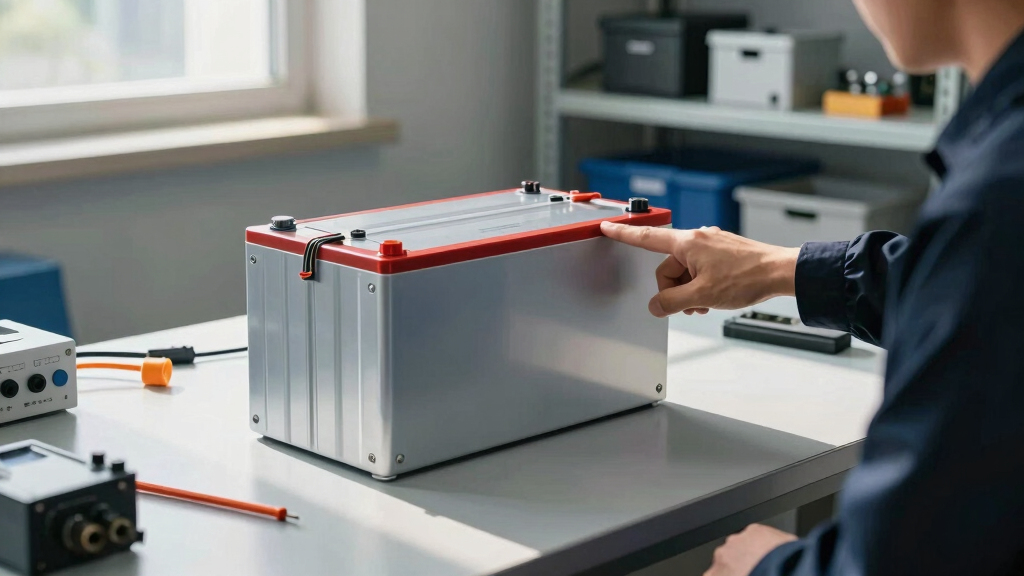
Japan’s Ministry of Economy, Trade and Industry (METI) has not approved any Chinese storage battery products for cybersecurity standards, as confirmed by officials. The certification process is set to become mandatory soon, aiming to enhance cybersecurity protections for critical infrastructure. Despite Chinese companies holding market shares in Japan, none have achieved the necessary approval, which officials attribute to concerns over cybersecurity risks and national security.
Chinese manufacturers have publicly expressed frustration, with one decrying what it calls a ‘de facto exclusion’ from the Japanese market due to strict certification hurdles. Industry insiders note that this situation could limit Chinese firms’ ability to participate in Japan’s expanding renewable energy sector, especially as Japan accelerates its shift to cleaner energy sources.
Implications for China’s Battery Industry in Japan
This development underscores the growing regulatory barriers faced by Chinese technology firms in Japan, especially in critical sectors like energy. The lack of cybersecurity approval could hinder Chinese manufacturers’ market access and influence Japan’s energy diversification efforts. For Japanese consumers and policymakers, the move reflects an emphasis on security amid geopolitical tensions, potentially affecting supply chains and energy prices.
Japanese cybersecurity certified energy storage batteries
As an affiliate, we earn on qualifying purchases.
As an affiliate, we earn on qualifying purchases.
Regulatory Environment and Market Dynamics in Japan
Japan has increasingly tightened its cybersecurity standards for critical infrastructure, including energy storage systems, as part of broader efforts to safeguard against cyber threats. The certification process, which is managed by METI, is becoming more rigorous, with specific focus on foreign manufacturers’ compliance. Chinese storage battery firms, which have gained market share in Japan, now face the challenge of meeting these standards to continue their operations.
Prior to this, Chinese companies supplied a significant portion of Japan’s energy storage solutions, but the new certification requirement is seen as a potential barrier designed to protect domestic and allied suppliers from foreign competition. The issue is also intertwined with broader geopolitical tensions between Japan and China, especially over technology and security concerns.
“No Chinese storage battery products have received cybersecurity approval from METI at this time.”
— an anonymous government official
industrial energy storage system for Japan
As an affiliate, we earn on qualifying purchases.
As an affiliate, we earn on qualifying purchases.
It is not yet clear whether Chinese manufacturers will be able to meet the cybersecurity standards before the certification deadline or if the restrictions will be extended or eased. The specific criteria and approval timeline remain undisclosed, and some companies may seek alternative routes or markets.
certified power grid batteries Japan
As an affiliate, we earn on qualifying purchases.
As an affiliate, we earn on qualifying purchases.
Next Steps for Chinese Battery Makers and Japanese Regulators
Chinese firms are expected to attempt to accelerate their compliance efforts or seek exemptions. Meanwhile, Japanese regulators may clarify the certification process and criteria in the coming months. The situation will likely influence the pace of Chinese firms’ market entry and could prompt diplomatic or industry negotiations.
renewable energy storage batteries Japan
As an affiliate, we earn on qualifying purchases.
As an affiliate, we earn on qualifying purchases.
Key Questions
Why haven’t Chinese storage battery makers received cybersecurity approval in Japan?
Japanese authorities have not approved Chinese products due to cybersecurity concerns and national security considerations, as part of stricter regulations for critical infrastructure.
What is the certification requirement for energy storage systems in Japan?
It is a mandatory cybersecurity certification process managed by Japan’s Ministry of Economy, Trade and Industry, aimed at ensuring the safety and security of connected energy infrastructure.
Could Chinese manufacturers still obtain approval before the deadline?
It remains uncertain whether Chinese firms can meet the standards in time, as the criteria and approval process details have not been publicly disclosed.
How might this affect Japan’s energy transition plans?
The restriction could slow the deployment of Chinese-made storage solutions, potentially impacting the pace and cost of Japan’s renewable energy expansion.
Are there alternative markets for Chinese storage batteries?
Yes, Chinese firms may focus on other Asian markets or regions with less stringent cybersecurity requirements, but their access to Japan remains uncertain.
Source: Nikkei Asia
Halloween Picks
halloween
As an affiliate, we earn on qualifying purchases.