TL;DR

Get privacy and security gear delivered free with Prime
- Fast, free delivery on millions of items
- Prime Video, Amazon Music and more included
- Member-only deals all year
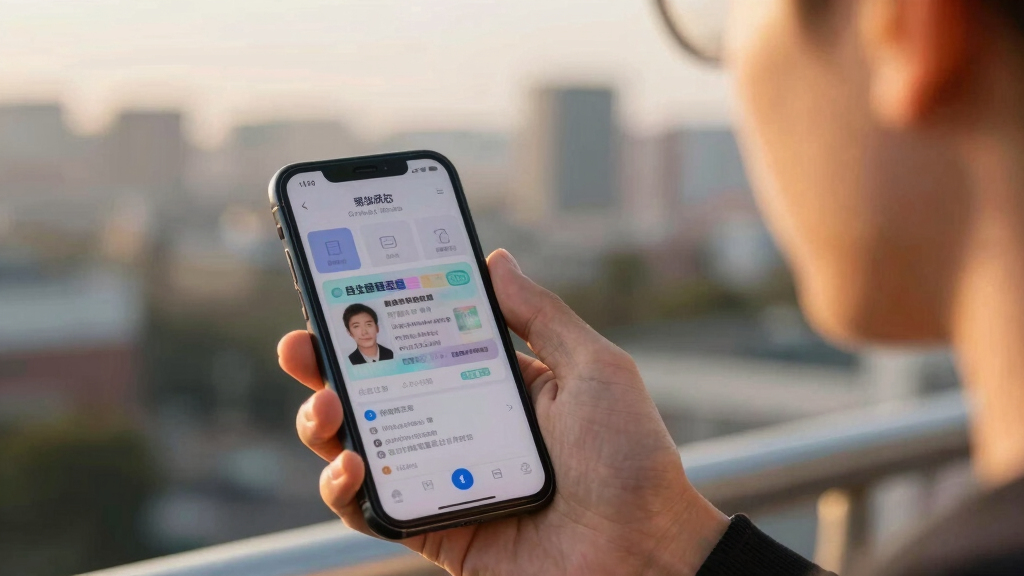
California lawmakers have approved a bill to upload all state-issued driver’s licenses to the national AAMVA database. This move raises privacy concerns and questions about federal law enforcement access. The decision follows pressure from the governor and DHS threats.
The California legislature has approved funding and legal revisions to upload all driver’s license and ID card data to the private SPEXS national ID database operated by the American Association of Motor Vehicle Administrators (AAMVA). This decision comes after behind-the-scenes pressure from Governor Gavin Newsom and threats from the U.S. Department of Homeland Security (DHS). The move raises significant privacy and civil liberties concerns, as critics say it facilitates federal law enforcement access without transparency.
According to reports, the legislative change involves revising state law and allocating funds to enable the transfer of driver’s license data to the AAMVA-managed SPEXS database. The budget agreement, announced last night, includes ‘guardrails’ purportedly designed to protect data privacy. However, experts and critics argue these measures are ineffective, as once data is uploaded, federal agencies like DHS can obtain it via court order, potentially with gag orders that prevent disclosure to Californians or the state itself.
Officials and advocacy groups warn that the data could be misused, especially against vulnerable populations such as immigrants and transgender individuals, who are already targeted by federal agencies. The summary of the bill claims to limit data sharing to what is required by federal law, but critics note that compliance with the REAL-ID Act is optional for California and does not mandate data sharing. The move is seen by opponents as a capitulation to federal pressure, risking widespread privacy violations.
Potential Impact on Privacy and Civil Liberties
This development signifies a major shift in California’s approach to data privacy and federal law enforcement cooperation. By uploading driver’s license data to a national database controlled by a private entity, Californians could lose control over their personal information. The move also sets a precedent for other states and raises concerns about increased federal surveillance, especially given the lack of transparency and the potential for misuse against marginalized communities.
RFID blocking driver’s license holder
As an affiliate, we earn on qualifying purchases.
As an affiliate, we earn on qualifying purchases.
Background of Federal Pressure and State Response
In recent years, federal agencies, particularly DHS, have sought greater access to state-held identification data to enhance security measures. California has historically resisted some federal data-sharing initiatives, citing privacy and civil liberties concerns. However, under pressure from DHS threats and the influence of Governor Newsom, the legislature has now agreed to a compromise that involves sharing data with the AAMVA database. Critics have long warned that such data sharing could facilitate mass surveillance and undermine individual rights.
The legislative change follows a series of negotiations and behind-the-scenes lobbying, with the final bill including language that claims to limit data sharing to federal requirements. Yet, experts argue that the legal and technical realities suggest otherwise, raising fears of unanticipated data disclosures and abuse.
“Once this data is transferred to AAMVA, components of DHS or other law enforcement agencies will be able to obtain it via court order, often with gag orders that prevent disclosure.”
— an anonymous researcher
As an affiliate, we earn on qualifying purchases.
Unclear Effectiveness of Privacy Protections
It remains uncertain whether the ‘guardrails’ included in the bill will effectively prevent unauthorized data sharing or misuse. Critics argue that legal loopholes and technical vulnerabilities may allow federal agencies to access the data without adequate oversight. The actual scope of data sharing and enforcement mechanisms is still under debate, and legal challenges may follow.
As an affiliate, we earn on qualifying purchases.
Next Steps in Legislative and Legal Response
The legislature is scheduled to hold a hearing on the final budget and bill amendments in the Senate Budget Committee on Monday morning. Advocacy groups and civil liberties organizations are expected to scrutinize the bill further and may consider legal action to challenge the data-sharing provisions. Meanwhile, California officials may face pressure from federal agencies to clarify or expand data access, with ongoing debates over privacy rights and state sovereignty.
As an affiliate, we earn on qualifying purchases.
Key Questions
Under the new law, driver’s license data will be uploaded to the AAMVA database, which federal agencies like DHS can access via court order. The law claims to limit sharing to federal requirements, but critics argue this does not guarantee protection against misuse.
Can Californians challenge the data sharing or access?
According to critics, the current legal framework makes it difficult for individuals or the state to challenge or be notified of federal data access, especially if gag orders are issued.
Why is this decision controversial?
Advocates say it compromises personal privacy, enables mass surveillance, and targets vulnerable communities. Opponents argue that the protections are illusory and that it sets a dangerous precedent for federal overreach.
What are the next legal or legislative actions expected?
Expect hearings in the California legislature, potential legal challenges, and increased advocacy efforts to oppose or amend the law, as critics push for stronger privacy safeguards.
Source: Hacker News
Columbus Day / Indigenous Peoples' Day Picks
long weekend sales
As an affiliate, we earn on qualifying purchases.