
📊 Full opportunity report: Acoustic Dampening, Placement, and the “Rig in the Closet” Setup on ThorstenMeyerAI.com — validation score, market gap, and execution plan.

Get privacy and security gear delivered free with Prime
- Fast, free delivery on millions of items
- Prime Video, Amazon Music and more included
- Member-only deals all year
TL;DR
Moving your rig into a closet significantly reduces noise and reflections when combined with proper placement, sealing gaps, and ventilation. This guide offers practical tips for creating a quiet, efficient workspace.
Moving a high-power computer rig into a closet or small room is confirmed as the most effective method to reduce noise and reflections, according to acoustic experts. For detailed guidance, see Acoustic Dampening, Placement, and the “Rig in the Closet” Setup. Proper placement, sealing gaps, and managing heat are critical to creating a quiet, functional workspace, especially for voice recording or AI work.
Experts emphasize that relocating a rig into a closet can drastically cut noise levels, often more effectively than adding foam treatments alone. Strategic placement of acoustic materials at reflection points—behind the mic, side walls, and ceiling—helps control echoes and harsh reflections. Sealing gaps around doors and walls further prevents sound leakage, improving isolation.
Heat management is a key concern when placing high-power equipment in enclosed spaces. Using ventilation solutions such as exhaust fans or ducted airflow ensures hardware remains within safe temperature ranges, preventing overheating and hardware throttling. DIY solutions like blankets, rugs, and foam are effective but require careful placement to optimize sound absorption while avoiding deadening the room unnaturally.
Acoustic dampening
& the rig in the closet.
The most powerful noise fix isn’t a material — it’s a floor plan. A rig you can’t hear because it’s in another room beats any amount of foam. Tap the approaches in Part 1 to see what actually works.
(another room)
(levers 1–4)
(door / barrier)
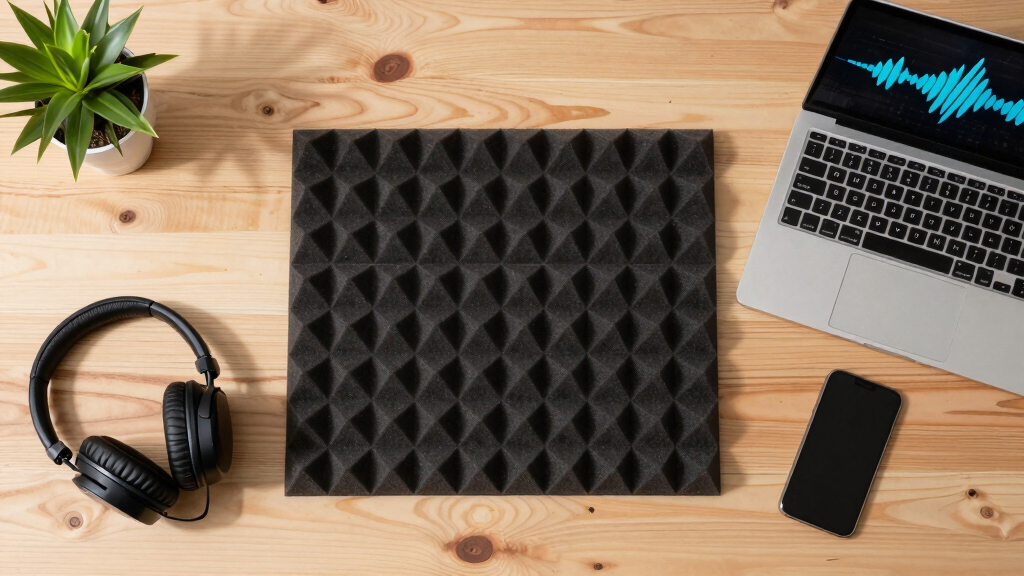
(acoustic foam)
Contain the noise, not the heat
Why Proper Closet Setup Enhances Audio Quality and Hardware Longevity
Implementing effective acoustic dampening and heat management in a closet rig setup not only improves sound clarity and reduces echo but also extends hardware lifespan by preventing overheating. This approach enables creators, streamers, and AI developers to maintain a quiet, professional environment without costly soundproofing or specialized rooms.
As an affiliate, we earn on qualifying purchases.
Effective Use of Space and Materials for Small-Scale Acoustic Control
Many users have experienced issues with echo and heat when placing powerful rigs in small spaces. Industry guidance suggests that treating reflection points with about 20-30% wall coverage using foam panels, blankets, or rugs can significantly improve acoustics. Corner bass traps help control low-frequency muddiness, while sealing gaps around doors enhances sound isolation. The concept of a 'rig in the closet' has gained popularity as a practical solution for home studios and AI setups, provided heat and sound are managed properly. Learn more in the internal guide on acoustic setup.
"Relocating your rig into a closet is often the most effective way to reduce noise and reflections, especially when combined with strategic placement and sealing."
— Thorsten Meyer, acoustic consultant
ventilation fan for computer closet
As an affiliate, we earn on qualifying purchases.
As an affiliate, we earn on qualifying purchases.
Uncertainties in Optimal Material Choices and Ventilation Methods
While general principles are established, specific optimal materials and ventilation configurations vary depending on room size, equipment heat output, and acoustic goals. Ongoing experimentation and customization are often necessary, and some claims about DIY solutions' effectiveness remain anecdotal.
high power computer noise dampening enclosure
As an affiliate, we earn on qualifying purchases.
As an affiliate, we earn on qualifying purchases.
Next Steps for Users Setting Up a Closet Rig
Users should focus on testing different placement and sealing strategies, monitor hardware temperatures, and adjust ventilation accordingly. Further research into specialized acoustic materials and DIY cooling solutions will refine these practices. Industry experts recommend incremental improvements and careful listening to achieve the best balance between sound quality and hardware safety.
door sealing kit for soundproofing
As an affiliate, we earn on qualifying purchases.
As an affiliate, we earn on qualifying purchases.
Key Questions
Can I fully soundproof my closet rig?
Complete soundproofing is difficult in small spaces and often unnecessary. Focus on dampening reflections and sealing gaps for effective noise reduction.
What materials are best for acoustic treatment in a closet?
High-density foam panels, blankets, rugs, and bass traps are recommended. Use dense materials in corners and at reflection points for best results.
How do I prevent overheating in a closet setup?
Install exhaust fans, passive vents, or ducted airflow to ensure good ventilation. Monitor temperatures regularly and adjust airflow as needed.
Will sealing gaps make my space soundproof?
Sealing gaps improves sound isolation but does not guarantee complete soundproofing. For more on effective acoustic strategies, see the original analysis.
How much acoustic treatment do I need for a small closet?
Covering about 20-30% of wall surfaces with absorption panels, especially at reflection points, is typically sufficient for good sound control.
Source: ThorstenMeyerAI.com
Columbus Day / Indigenous Peoples' Day Picks
long weekend sales
As an affiliate, we earn on qualifying purchases.