
TL;DR

Get privacy and security gear delivered free — and shop member deals
- Fast, free delivery on millions of items
- Access to Prime Big Deal Days deals on October 6–7
- Prime Video, Amazon Music and more included
The U.S. Postal Inspection Service and partner agencies seized the domain LabelsBank.com and charged Faheem Akram, 33, of Khanewal, Pakistan, with selling more than 5.1 million counterfeit USPS postage labels, allegedly causing over $126 million in losses. Prosecutors say the site charged a flat rate of about $2 per label regardless of package weight or destination.
Federal authorities have seized the internet domain LabelsBank.com and charged a Pakistani national with operating the website, which allegedly sold more than 5.1 million counterfeit U.S. Postal Service postage labels and caused the agency losses exceeding $126 million. The action, announced by the U.S. Postal Inspection Service’s Miami Division on September 24, 2026, charged Faheem Akram, 33, of Khanewal, Pakistan, according to court records cited in the original report.
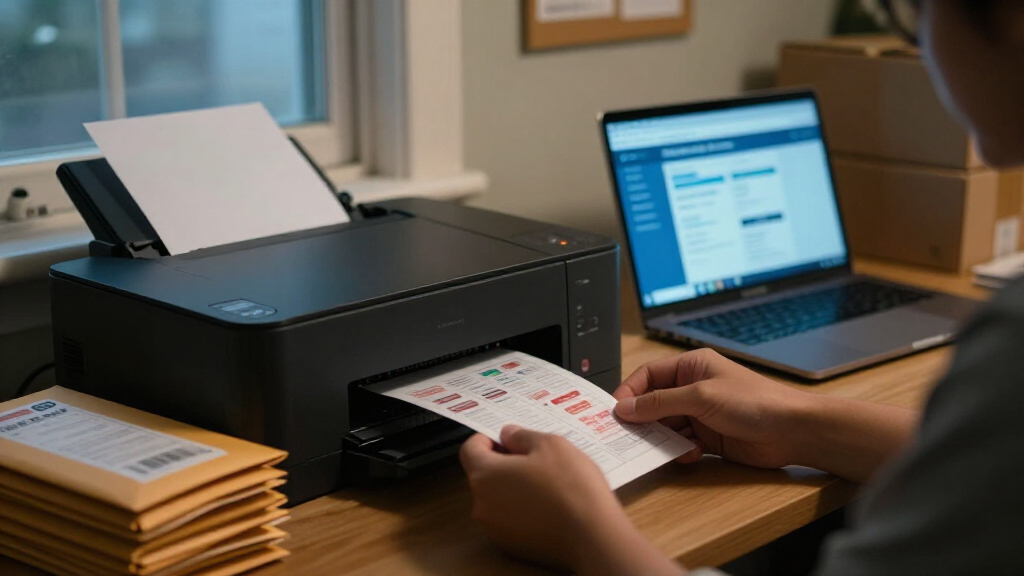
According to court records, Akram operated LabelsBank.com, a website that allegedly sold counterfeit USPS postage at a fixed rate — typically $2 per label — regardless of a package’s weight, size, or destination. The site was not authorized to sell USPS products or services. Customers who bought the labels could ship packages at deeply discounted prices, which prosecutors say deprived USPS of legitimate revenue for shipping services actually rendered.
Postal inspectors from the Miami Division of the Postal Inspection Service determined that more than 5,000 customers used LabelsBank.com to purchase more than 5.1 million counterfeit shipping labels. In conjunction with the indictment, a court order authorized the seizure of the domain and the shutdown of the website.
Akram is charged with one count of conspiracy to defraud the United States and to make and sell counterfeit postage stamps, five counts of making and selling counterfeit postage stamp labels, and four counts of wire fraud. The charges are allegations only; Akram, like every criminal defendant, is presumed innocent unless or until proven guilty in court.
Why Counterfeit Postage Hits USPS Revenue
The scale of the alleged operation — more than 5.1 million labels and losses prosecutors place at more than $126 million — illustrates how easily counterfeit postage can be distributed online at scale. Because the labels were allegedly sold at a flat rate of about $2 each, customers had a financial incentive to bypass legitimate USPS pricing, and the Postal Service absorbed the cost of delivering packages whose postage was never validly purchased.
For USPS, which relies on postage and shipping revenue to fund its operations, large-scale postage fraud directly erodes income. The case also signals that postal investigators are pursuing operators based outside U.S. borders, a point inspectors emphasized publicly. The more than 5,000 customers identified by investigators may also face scrutiny, though authorities have not announced any actions against buyers.
For online sellers and small businesses, the case is a reminder that using discounted third-party postage from unauthorized sources carries risk: packages bearing counterfeit labels can be intercepted, delayed, or confiscated.
How the LabelsBank Case Unfolded
The case originated with an investigation by the Miami Division of the U.S. Postal Inspection Service, working with partner federal agencies, into the online sale of counterfeit postage. Court records show the investigation traced LabelsBank.com to Akram, who is based in Khanewal, Pakistan, according to the charges.
The alleged business model was straightforward: customers visited the website, paid a flat fee of roughly $2 per label, and received labels that appeared to be valid USPS postage. Because legitimate postage prices vary with weight, size, and destination, the flat pricing allowed shippers to avoid paying full freight, particularly on heavier or longer-distance packages.
Counterfeit postage schemes have drawn increased attention from postal inspectors as e-commerce shipping volumes have grown. The U.S. Attorney’s Office for the Southern District of Florida is prosecuting the case, and the domain seizure was carried out under a court order issued alongside the indictment.
“Our reach goes beyond our borders. If you are defrauding the Postal Service and targeting U.S. consumers by pushing phony postage, we will find you and bring you to justice.”
— Bladismir Rojo, Postal Inspector in Charge, Miami Division
What the Court Records Leave Open
Akram’s current location and whether U.S. authorities will be able to arrest and extradite him from Pakistan have not been disclosed. Extradition between the United States and Pakistan can be a lengthy and uncertain process, and no arrest has been reported.
It is also not yet clear whether any of the more than 5,000 customers who purchased counterfeit labels will face charges or other consequences, such as seizure of packages shipped with the fake postage. Authorities have not detailed how long the website operated or over what period the 5.1 million labels were sold.
All charges against Akram remain allegations at this stage. He is presumed innocent unless or until proven guilty, and no trial date has been announced.
The Legal Road Ahead for Akram
The criminal case will proceed in federal court, where prosecutors must prove the conspiracy, counterfeiting, and wire fraud charges beyond a reasonable doubt. Key next steps include any attempt to secure Akram’s appearance in U.S. custody, which may involve extradition proceedings, and the filing of subsequent court documents by both sides.
Investigators may also take further action connected to the customer base identified during the probe, and the Postal Inspection Service has encouraged the public to learn about counterfeit postage and how to identify it. Additional enforcement actions against similar websites selling unauthorized postage remain possible, given inspectors’ stated commitment to pursuing such operations across borders.
Key Questions
What was LabelsBank.com accused of doing?
Court records allege the website sold more than 5.1 million counterfeit USPS postage labels to over 5,000 customers, typically at a flat rate of about $2 per label, regardless of package weight, size, or destination. The site was not authorized to sell USPS products or services.
Who has been charged?
Faheem Akram, 33, of Khanewal, Pakistan, was indicted on one count of conspiracy to defraud the United States and to make and sell counterfeit postage stamps, five counts of making and selling counterfeit postage stamp labels, and four counts of wire fraud. The charges are allegations, and he is presumed innocent unless proven guilty.
How much did USPS allegedly lose?
Prosecutors allege the counterfeit label sales caused the Postal Service losses of more than $126 million in shipping revenue, based on the more than 5.1 million labels investigators say were sold.
Is the website still operating?
No. A court order issued in conjunction with the indictment authorized the seizure of the domain and shutdown of the website, and U.S. authorities have carried out that seizure.
Could customers who bought the labels face consequences?
Authorities have not announced any charges or penalties against the more than 5,000 identified customers. However, packages shipped with counterfeit postage can be intercepted or confiscated, and future enforcement action against buyers has not been ruled out.
Source: hn
Fall Picks
fall essentials
As an affiliate, we earn on qualifying purchases.