TL;DR

Get privacy and security gear delivered free with Prime
- Fast, free delivery on millions of items
- Prime Video, Amazon Music and more included
- Member-only deals all year
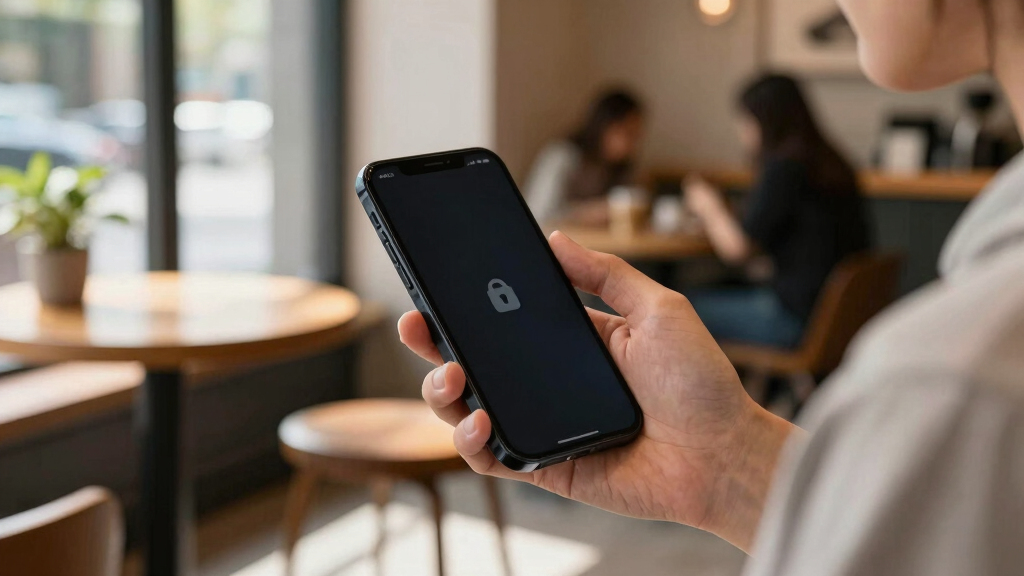
The U.S. Secret Service no longer uses government-issued mobile phones due to security issues. This change highlights growing concerns over mobile device vulnerabilities in federal agencies.
The U.S. Secret Service has discontinued the use of government-issued mobile phones for its personnel, citing security vulnerabilities. This move marks a significant departure from previous policies and underscores increasing concerns over mobile device security within federal agencies.
Sources familiar with the matter confirmed that the Secret Service has phased out the use of agency-issued smartphones, opting instead for secure, encrypted communication tools. The decision was driven by internal assessments revealing potential security risks associated with mobile devices, including hacking and data interception. Officials did not specify the exact timeline of the transition but confirmed that the change is now in effect for all personnel. The move aligns with broader efforts across federal agencies to enhance cybersecurity measures amid rising threats from cyber espionage and hacking groups.While the Secret Service has not publicly detailed the specific vulnerabilities that prompted this policy shift, experts suggest that mobile devices are increasingly targeted by malicious actors seeking access to sensitive government information. The agency’s decision reflects a cautious approach to safeguarding national security and presidential protection details, which are among its core responsibilities. The policy change also raises questions about how the agency will manage secure communications moving forward, especially in high-pressure situations requiring instant contact.
Implications of the Secret Service’s Phone Policy Shift
This development signals a broader reassessment of mobile device security within U.S. federal agencies, highlighting the vulnerability of even high-security organizations. It underscores the growing threat landscape posed by cyber espionage and hacking attempts targeting government communications. The move may influence other agencies to reevaluate their device policies, potentially accelerating the adoption of more secure communication platforms. For the public and government officials, it raises awareness about the importance of cybersecurity measures in protecting sensitive information and national security operations.
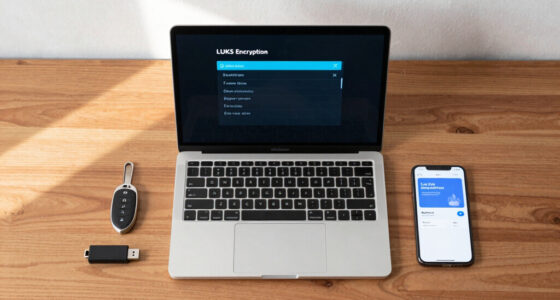
secure encrypted communication apps
As an affiliate, we earn on qualifying purchases.
As an affiliate, we earn on qualifying purchases.
Background on Mobile Security in Federal Agencies
Over the past few years, federal agencies have faced increasing scrutiny over cybersecurity practices, especially concerning mobile device security. While many governmental departments have adopted encrypted messaging and secure communication tools, vulnerabilities in consumer-grade smartphones have persisted as a significant concern. The Secret Service, responsible for protecting the President and other high-level officials, has historically used government-issued devices to ensure secure communication. However, reports of hacking attempts and data breaches involving mobile devices have prompted agencies to reconsider their policies. The decision by the Secret Service to cease using agency-issued phones reflects a trend toward stricter security protocols across government entities.
“Our priority is safeguarding sensitive information, and recent security assessments have shown that traditional mobile devices pose unacceptable risks.”
— a senior Secret Service official
government-grade secure smartphones
As an affiliate, we earn on qualifying purchases.
As an affiliate, we earn on qualifying purchases.
Details on Transition and Future Communication Plans
It is not yet clear what specific alternative communication methods the Secret Service is implementing or how quickly the transition will be completed. Officials have not disclosed whether new secure devices or platforms are being adopted, or if personnel are using encrypted apps on personal devices. Additionally, the full scope of vulnerabilities that prompted the policy change remains undisclosed, and whether other agencies will follow suit is still uncertain.
As an affiliate, we earn on qualifying purchases.
Next Steps for Secret Service and Federal Mobile Security
The Secret Service is expected to finalize its new secure communication protocols in the coming months. Monitoring agencies will likely evaluate their own device policies in response. Officials may also issue further guidance on secure communication practices for high-security personnel. The shift could accelerate the adoption of specialized encrypted devices or platforms across government agencies, aiming to reduce vulnerabilities and strengthen cybersecurity defenses.
As an affiliate, we earn on qualifying purchases.
Key Questions
Why did the Secret Service stop using government-issued phones?
The agency cited security vulnerabilities associated with mobile devices, including risks of hacking and data interception, as the primary reasons for discontinuing their use.
What alternative communication methods are being used now?
Officials have not publicly detailed specific alternatives but indicated a shift toward secure, encrypted communication tools, possibly including specialized devices or encrypted apps on personal devices.
Could this move affect other federal agencies?
It is possible. The Secret Service’s decision may influence other agencies to reassess their mobile device policies, especially those handling sensitive information.
When did the policy change take effect?
The transition is currently underway, with officials confirming that the change is in effect for all personnel, but no specific date has been publicly announced.
Are there security risks with using personal devices for official communication?
Yes, personal devices are often less secure and more vulnerable to hacking, which is why agencies are moving toward dedicated, secure communication platforms.
Source: google-trends
Halloween Picks
halloween
As an affiliate, we earn on qualifying purchases.